

A Guide to Spark Plug Wire Sets for the 1967-1980 Mercury Cougar
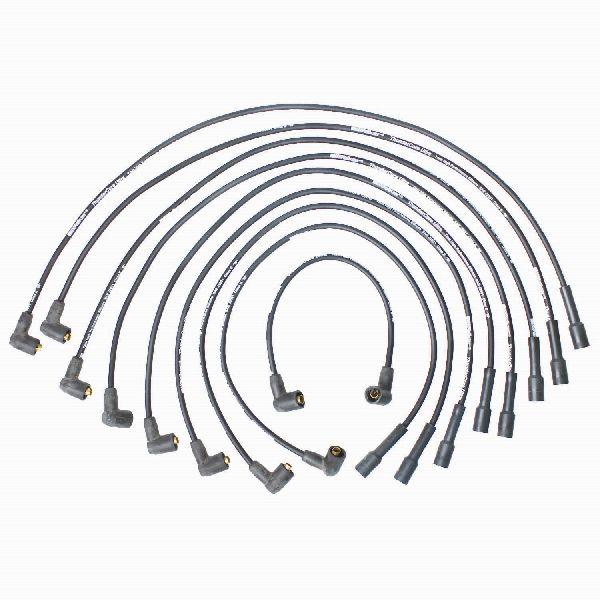
Keep your classic Cougar's V8 running strong by choosing the right spark plug wire set.
- Verify your Cougar's specific engine (e.g., 302, 351C, 390) before ordering, as wire lengths and boots differ.
- For a stock engine, a quality standard replacement set from a brand like Motorcraft or Standard is the best value.
- Performance wires from brands like MSD or Taylor are only necessary if you have an upgraded, high-output ignition system.
- Always replace wires one at a time to avoid mixing up the engine's firing order.
Symptoms of Failing Spark Plug Wires
Old spark plug wires can cause a variety of noticeable engine problems. Because these classic cars don't have complex computer systems, the symptoms are often very direct. If the insulation on the wires breaks down from age, heat, and exposure to chemicals, the electrical energy can leak out before it reaches the spark plug. Look for these common signs:
- Rough Idle: The engine may shake, sputter, or vibrate when the car is stopped.
- Engine Misfire: You might feel a stumble, hesitation, or jerking during acceleration as a cylinder fails to fire properly.
- Reduced Power and Acceleration: Your Cougar may feel sluggish or slow to respond when you press the gas pedal.
- Poor Fuel Economy: When the spark is weak, fuel isn't burned efficiently, leading to more trips to the gas station.
- Visible Damage or Arcing: A visual inspection might reveal cracks, melting, or burn marks on the wire jackets or boots. In a dark garage, you might even see a "light show" of sparks jumping from the wires to a metal part of the engine, which is a sure sign of failure.
Choosing the Right Aftermarket Wires
With so many brands available, it's important to match the wire set to your engine and how you use your car. For a classic Cougar, you don't always need the most expensive set, but you do need the correct one.
Brand Quality Tiers
Premium Performance (For Modified Engines): These brands offer low-resistance wires, typically with a larger diameter (8mm or more), designed for engines with upgraded ignition systems, headers, or other performance modifications. They ensure the maximum amount of spark energy reaches the plugs.
- MSD: A top choice in the performance world. Their 8.5mm Super Conductor wires are highly recommended for their low resistance and durability.
- Taylor Cable: Another popular performance brand known for good quality and high-heat resistance. They are often compared directly with MSD.
- Accel: A long-standing performance brand, though some users report mixed experiences with boot quality compared to others.
- Granatelli, Ford Performance: Both offer high-quality wires that are a good step up for performance-oriented street cars.
Standard Replacement (For Stock Engines): If your Cougar is mostly original, these brands provide excellent quality and reliability that meets or exceeds the original factory specifications. For a stock engine, these are often the best choice.
- Motorcraft: As Ford's own brand, these are the closest you can get to original equipment quality and are highly recommended for a stock setup.
- Standard (SMP), NGK, Denso: All are reputable manufacturers that produce reliable, OEM-quality replacement wire sets.
Pro Tip: Check Your Engine First!
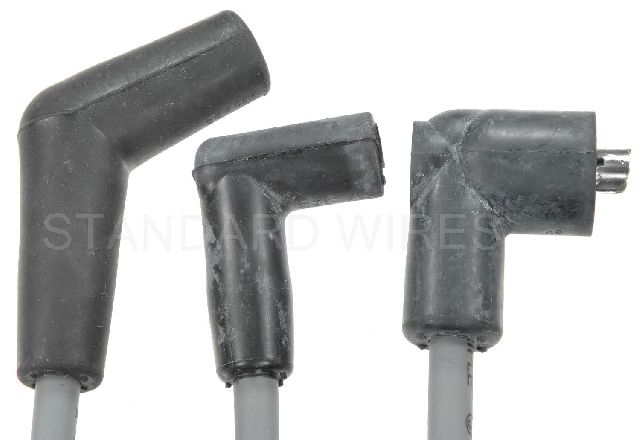
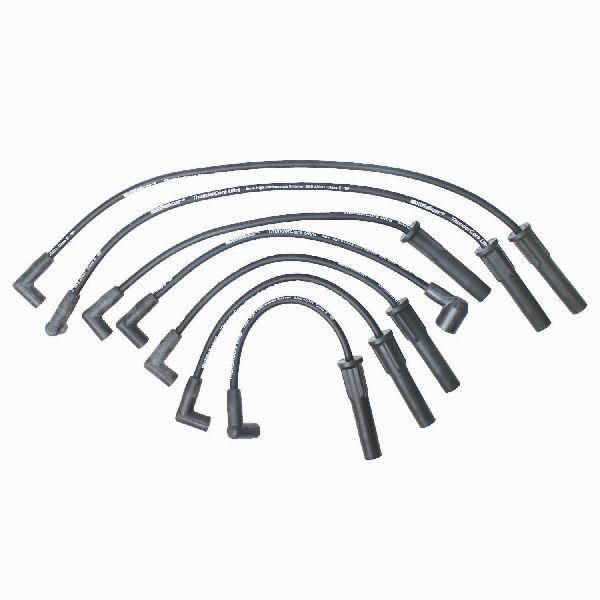
The 1967-1980 period saw many different V8 engines in the Cougar (like the 289, 302, 351W, 351C, 390, and 428). These engines require different wire lengths and boot angles. Always confirm your engine type before ordering to ensure a perfect fit.
Common Ordering Mistakes
One common mistake is not knowing if your car was originally equipped with a smog pump (air injection system). Cars with a smog pump have extra plumbing around the engine that requires spark plug wires with different insulators or routing to prevent them from burning. Check product descriptions for "with smog" or "without smog" to get the correct set.
| Part Type | Typical Price Range |
|---|---|
| New Aftermarket (Standard) | $32 - $90 |
| New Aftermarket (Performance) | $75 - $254 |
| Shop Labor | $75 - $150 |
Frequently Asked Questions
What's the difference between 7mm, 8mm, and 8.5mm wires?
The measurement refers to the diameter of the wire. Stock wires were typically 7mm. Performance wires use a larger diameter like 8mm or 8.5mm to accommodate thicker insulation and a more robust core. This provides better heat resistance and less electrical interference, which is beneficial for higher-output ignition systems. For a stock engine, 7mm or 8mm is perfectly fine.
Are expensive performance wires worth it for my stock Cougar?
For a stock, daily-driven car, probably not. A quality set of Motorcraft or Standard wires will perform excellently. The main benefit of low-resistance performance wires is realized when you have a high-output ignition coil (like an MSD Blaster) and other modifications that produce a hotter spark. On a stock system, you won't see a noticeable performance gain.
How often should I replace my spark plug wires?
There is no strict mileage interval like on modern cars. Wires on a classic car should be inspected regularly for signs of wear, cracking, or brittleness. A good rule of thumb is to consider replacing them every 5-10 years or whenever you perform a major ignition system tune-up, as the insulation breaks down over time regardless of mileage.
Do I need special tools to replace them?
No special tools are required. The most important rule is to replace the wires one at a time. This prevents you from mixing up the firing order, which would cause the engine to run poorly or not at all. A set of spark plug wire pullers can make it easier to remove stubborn boots without damaging them, but they are not essential.
Technical Specifications
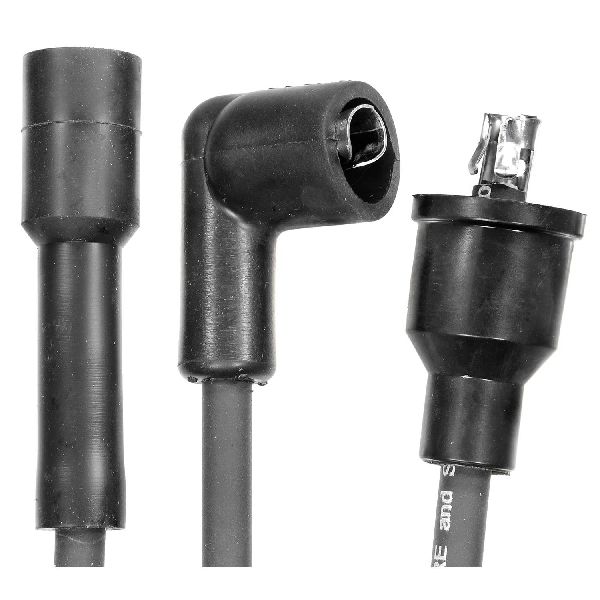
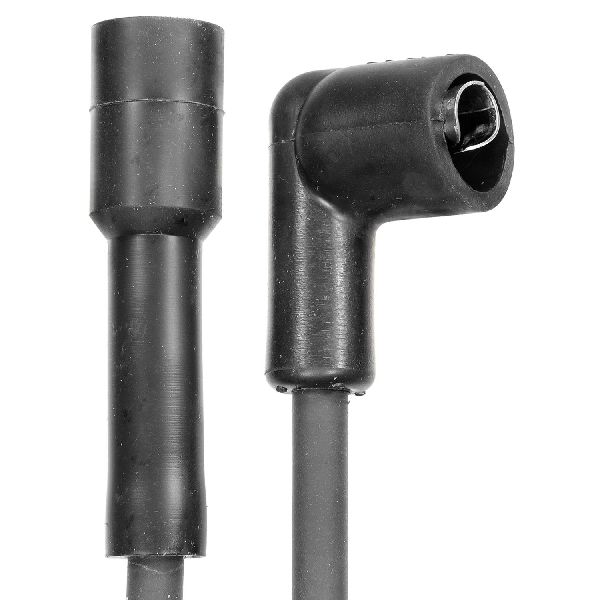
Wire Diameter (7mm, 8mm, 8.5mm, etc.), Core Material (Carbon Suppression, Spiral Wound), Boot Material (Silicone), Boot Angle (Straight, 45-degree, 90-degree)
We Have This Part in Stock

The information in this article is provided for general reference and educational purposes only. Vehicle specifications, procedures, and part compatibility can vary by production date, trim level, and region. Always consult your vehicle's factory service manual and verify part numbers before purchasing or performing repairs. Safety-critical components such as airbags, seat belts, and braking systems should be installed by a qualified professional.