

Guide to the 1967-1981 Buick Riviera Turn Signal Switch
Everything you need to know about diagnosing and replacing this critical steering column part.
- A bad switch can cause brake light failure, a serious safety risk.
- You MUST order a switch that matches your year, and options like tilt wheel or cruise control.
- Special tools like a steering wheel puller and lock plate compressor are required for replacement.
- For a car this old, a new aftermarket part is often more reliable than a used original.
Is Your Turn Signal Switch Failing?
A bad turn signal switch in a classic Riviera can cause confusing problems. Because the switch is tied into other lighting systems, you might notice more than just a non-working blinker. Watch for these common symptoms.
- Turn signals don't work at all: You move the lever, but nothing happens—no clicking sound, no dash light, and no exterior lights.
- Signals don't cancel: After you complete a turn, the signal should turn off automatically. If it keeps blinking, the mechanical canceling feature inside the switch is likely broken.
- Signals only work if you hold the lever: This also points to a worn-out mechanical part inside the switch that can no longer hold the lever in position.
- Brake lights don't work correctly: On these GM columns, the brake light circuit runs through the turn signal switch. A bad switch can prevent one or both brake lights from working, even if the bulbs are good. This is a major safety issue. 🎬 Watch: Diagnosing classic car tail light and brake light problems
- Unusual electrical behavior: In some cases, a short inside the switch can cause strange issues, like powering up other circuits when a turn signal is activated.
A Note on Year Ranges
The 1967-1981 period covers several Riviera generations. The turn signal switch design changed, especially between 1966-67 and with the introduction of different steering column designs (tilt vs. non-tilt, with or without cruise control). Always verify the exact part for your specific year and options to avoid ordering mistakes.
Choosing the Right Aftermarket Switch
New Original Equipment (OEM) switches from GM for a car of this age are no longer produced. Your options are a used original part or a new aftermarket part. Given the age and known wear issues, a new aftermarket switch is often the most reliable choice. Here’s a look at the available brands:
- Standard Ignition (Standard Motor Products): Often considered a top-tier aftermarket brand, Standard parts are known for good quality control and durability, aiming to meet or exceed original specifications. They are a trusted choice for many professional mechanics.
- Rostra Powertrain: Rostra is a well-regarded manufacturer, known for producing a wide range of quality electronic and powertrain components for both OEM and aftermarket applications. Their products are generally seen as reliable replacements.
- Replacement: This is typically a value-focused brand. These parts are designed to be a direct-fit replacement at a lower cost. For a daily driver or a budget-conscious repair, this can be a good option, though long-term durability might not match premium brands.
| Tier | Brand(s) | Typical Price Range | Best For |
|---|---|---|---|
| Premium | Standard Ignition | $70 - $99 | Owners seeking the highest quality and longest service life. |
| Standard | Rostra Powertrain | $60 - $85 | A balance of quality, reliability, and cost. |
| Value | Replacement | $47 - $65 | Budget-friendly repairs and getting the car safely back on the road. | 🎬 See this step-by-step turn signal switch replacement walkthrough
Known Issues & Recalls
While no specific recalls for the turn signal switch on the 1967-1981 Riviera were found during research, GM switches from this era are known to have issues. The plastic and metal contacts wear out over time. The 1967 model, in particular, used a switch design that was known to be fragile and prone to breaking. Some owners in forums report that finding the exact correct switch for a '67 can be difficult.
Frequently Asked Questions (FAQ)
Do I need special tools to replace the turn signal switch?
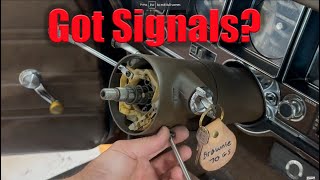
Yes. You will need a steering wheel puller to remove the steering wheel and a steering column lock plate compressor tool to access the switch. These are essential for the job.
🎬 Learn how to pull turn signal wires through the column easierWhy do my brake lights act weird but the turn signals work?
This is a classic symptom of a failing GM turn signal switch from this period. The brake light power is routed through the switch so it can be interrupted for the blinking light. When the contacts inside the switch wear out, they can fail to pass power to the brake lights even when the turn signals are off.
Is the switch different for a tilt vs. non-tilt steering wheel?
Yes, almost always. The internal mechanism and wiring harness length can be different for tilt and non-tilt columns. You must order the switch that matches your car's specific configuration.
What else should I check or replace while I'm in there?
While the steering column is open, it's a good time to inspect the horn contacts and apply a small amount of dielectric grease to the new switch's electrical contacts and moving parts. Also, check the condition of the turn signal flasher relay located under the dash; it's an inexpensive part that can also cause signal problems.
Helpful Videos
Technical Specifications
OEM Part Numbers: 1997985 25111262
Varies significantly by year and options (tilt, non-tilt, cruise control). The switch is located inside the steering column and typically has a flat, multi-pin connector that runs down the column. Some years use a mechanical rod or cable linkage.
We Have This Part in Stock


The information in this article is provided for general reference and educational purposes only. Vehicle specifications, procedures, and part compatibility can vary by production date, trim level, and region. Always consult your vehicle's factory service manual and verify part numbers before purchasing or performing repairs. Safety-critical components such as airbags, seat belts, and braking systems should be installed by a qualified professional.