

Chevrolet Camaro Automatic Transmission Mount Guide: 1967-1981
Clunks, vibrations, and shudders in your classic Camaro could point to a failing transmission mount.
- A clunking noise on acceleration is the most common sign of a bad transmission mount.
- Choose a standard rubber mount for a smooth, quiet ride or a polyurethane mount for high-performance applications.
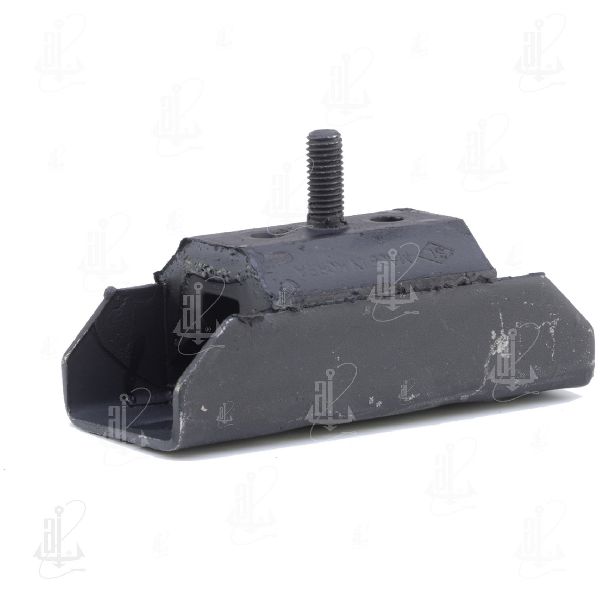
- Visually inspect your old mount to confirm the correct style (e.g., single or double stud) before ordering a new part.
- While replacing the transmission mount, it is a good practice to also inspect the engine mounts for wear.
Symptoms of a Failing Transmission Mount
A worn-out transmission mount is usually easy to notice if you know what to look and listen for. Because these classic Camaros have a lot of torque, a bad mount often makes itself known quickly.
Common Failure Symptoms
- Clunking or Banging Noises: The most common sign is a loud clunk or bang when you accelerate hard, brake suddenly, or shift gears between Drive and Reverse. This is the sound of the transmission lifting and hitting the underbody of the car because the mount is no longer holding it down.
- Excessive Vibrations: If you feel new or worsening vibrations through the floor or your seat, especially while idling or accelerating, the rubber on the mount may be cracked and failing to absorb the drivetrain's vibrations.
- Shifting Transmission: In severe cases, you might be able to see the engine and transmission assembly move or rock excessively if an assistant revs the engine slightly with the car in gear and the brakes applied. A worn mount can also cause the transmission to sag, which can lead to other problems.
Choosing the Right Aftermarket Mount
For the 1967-1981 Camaro, you have two main choices for an aftermarket transmission mount: standard rubber or performance polyurethane. There is no functional difference between OEM and standard aftermarket rubber mounts, but quality can vary between brands.
Tier 1: Standard Rubber Mounts (OEM-Style)
These mounts are designed to be direct replacements for the original factory part. They use a soft rubber compound to provide the quietest and smoothest ride by absorbing the maximum amount of vibration. This is the best choice for most owners who use their Camaro as a daily driver or for cruising.
- Brands: Anchor, DEA, Westar, Pioneer Cable
- Pros: Quietest operation, most comfortable ride, low cost.
- Cons: Not as durable as polyurethane, especially with high-horsepower engines. Forum users have reported inconsistent quality and premature failure with some budget brands.
Tier 2: Polyurethane Mounts (Performance)
Polyurethane is a much stiffer material than rubber. These mounts are designed for performance driving, racing, and high-horsepower applications. They drastically reduce drivetrain movement, which helps transfer more power to the rear wheels. They are also highly resistant to oil and other contaminants that can destroy rubber mounts.
- Brands: Prothane, Daystar, Energy Suspension, Lakewood
- Pros: Extremely durable, improves throttle response, controls torque.
- Cons: Transmits a significant amount of vibration and noise into the cabin, which can be annoying for a street-driven car.
Cost to Replace a Camaro Transmission Mount
This is one of the more affordable repairs for your classic Camaro. The part itself is inexpensive, and if you have it done by a professional, the labor is straightforward.
| Item | Estimated Cost |
|---|---|
| New Aftermarket Part | $10.99 - $34.29 |
| Shop Labor | $85 - $150 |
| Total Estimated Cost | $96 - $185 |
Note: Labor costs can vary based on your location and the specific shop's rates for classic vehicles.
Frequently Asked Questions
Is it safe to drive with a bad transmission mount?
It is not recommended. While you can drive for a short time, a failed mount allows for excessive movement that can damage other, more expensive parts like the driveshaft, U-joints, exhaust pipes, and even the transmission case itself. It's best to get it replaced as soon as possible.
How hard is it to replace the transmission mount myself?
For a DIY mechanic with a good set of tools, this is a relatively easy job. It typically involves supporting the transmission with a floor jack and a block of wood, removing the crossmember bolts, and then unbolting the mount from the transmission. It can usually be done in about an hour. Always use jack stands for safety.
Should I replace my engine mounts at the same time?
It's a good idea to inspect your engine mounts when you replace the transmission mount. If they are the same age and show signs of cracking, sagging, or oil saturation, it's wise to replace them all at once. Worn engine mounts will put extra stress on your new transmission mount.
Are there any recalls for the 1967-1981 Camaro transmission mount?
No, there are no specific recalls or Technical Service Bulletins (TSBs) for the transmission mount on this generation of Camaro. However, there was a major GM recall in 1971 for defective engine mounts on many vehicles, including the Camaro. A failed engine mount could cause the engine to lift and the throttle to stick open. It's worth inspecting your engine mounts to see if they are original or have been replaced.
What's the difference between a single stud and dual stud mount?
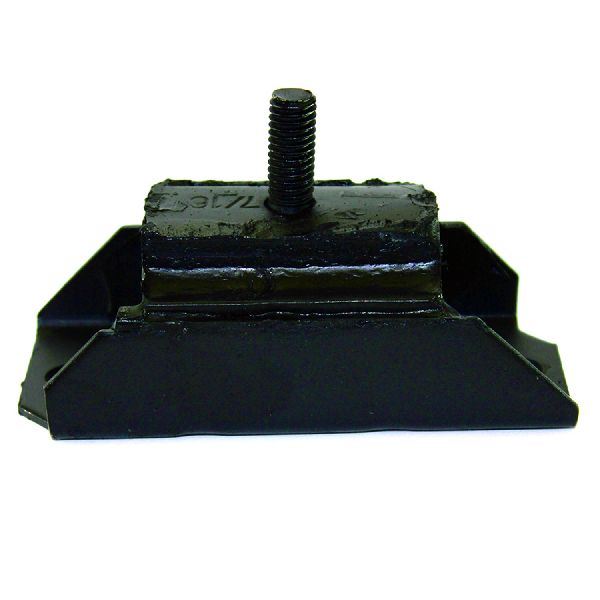
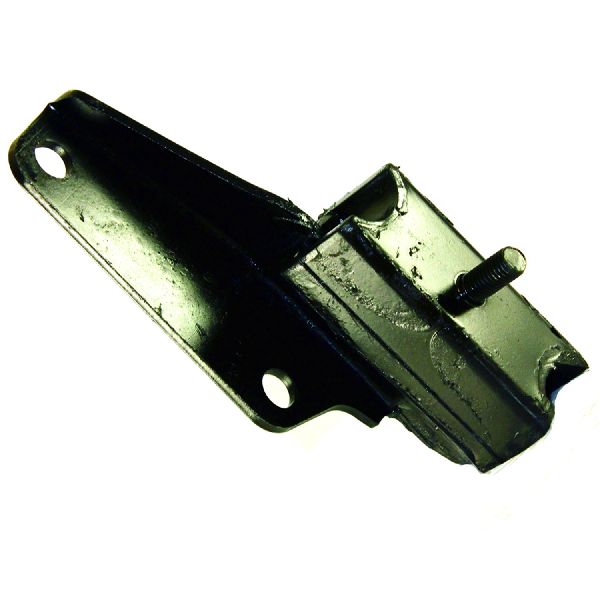
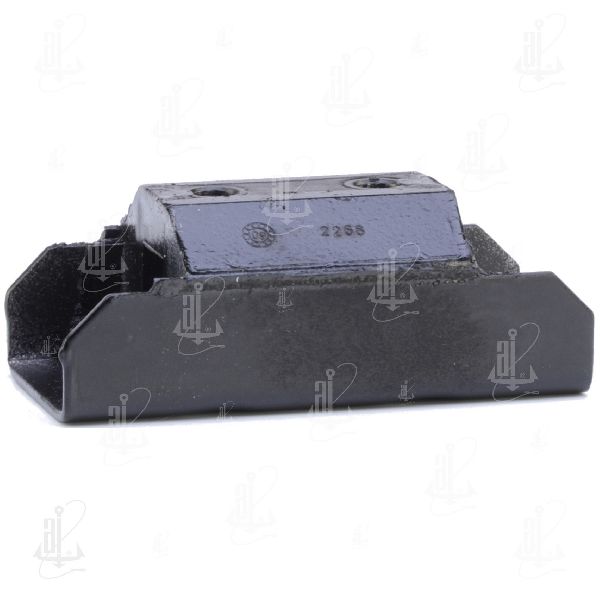
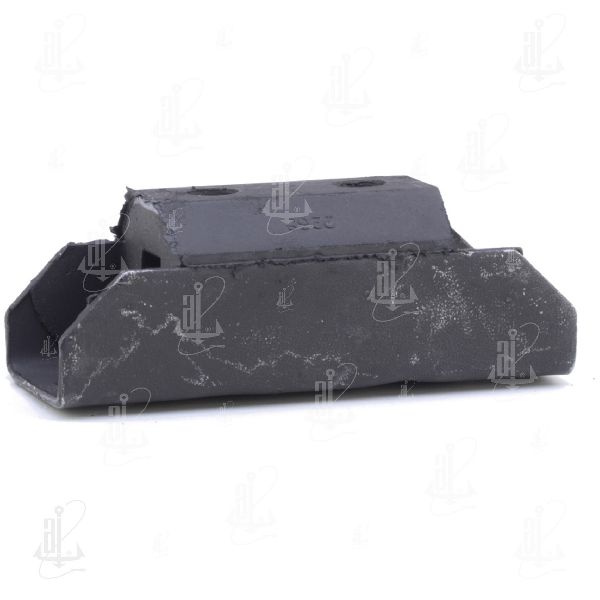
Over the years, GM used slightly different mount designs. Some crossmembers use a mount with a single stud that goes through the center, while others use a mount with two studs. It is important to visually inspect your current mount before ordering a replacement to ensure you get the correct style for your car's specific year and setup.
Technical Specifications
OEM Part Numbers: 3700338
The mount design varies by year and specific transmission (e.g., TH350, TH400). Common styles include a rectangular mount with a single central stud or a mount with two offset studs. It is crucial to match the new part to the original design. Polyurethane options offer increased stiffness compared to the standard SBR rubber used in OEM-style replacements.
We Have This Part in Stock


The information in this article is provided for general reference and educational purposes only. Vehicle specifications, procedures, and part compatibility can vary by production date, trim level, and region. Always consult your vehicle's factory service manual and verify part numbers before purchasing or performing repairs. Safety-critical components such as airbags, seat belts, and braking systems should be installed by a qualified professional.