

A Practical Guide to the A/C Compressor for the 1967-1983 Mercury Cougar
Keep your classic Cougar's air conditioning blowing cold by understanding how to choose the right new compressor.
- A failing A/C compressor will cause warm air, strange noises, or a non-engaging clutch.
- You MUST replace the receiver/drier and flush the system when installing a new compressor to prevent immediate failure.
- Due to the need for special tools for refrigerant handling, this is a job best left to a professional.
- Consider converting your system from old R12 to modern R134a refrigerant during the repair.
Is Your Cougar's A/C Blowing Hot Air?
When the air conditioning in a classic car like the 1967-1983 Mercury Cougar stops working, the compressor is a common suspect. The most frequent reasons for an A/C system to fail are refrigerant leaks, an electrical problem, or a bad compressor. A failing compressor can make your ride uncomfortable on a hot day. Knowing the signs of failure can help you diagnose the problem correctly.
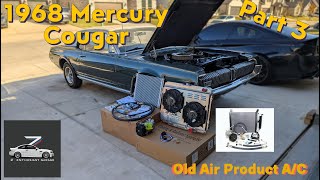
🎬 Watch: A guide to troubleshooting and diagnosing vintage A/C systems.Symptoms of a Bad A/C Compressor
- Warm Air from Vents: The most obvious sign is when the A/C system blows air that isn't cold. If the compressor can't pressurize the refrigerant, the cooling cycle won't happen.
- Strange Noises: Grinding, squealing, or rattling sounds when you turn on the A/C can point to a failing compressor. These noises often come from worn-out internal bearings or other moving parts.
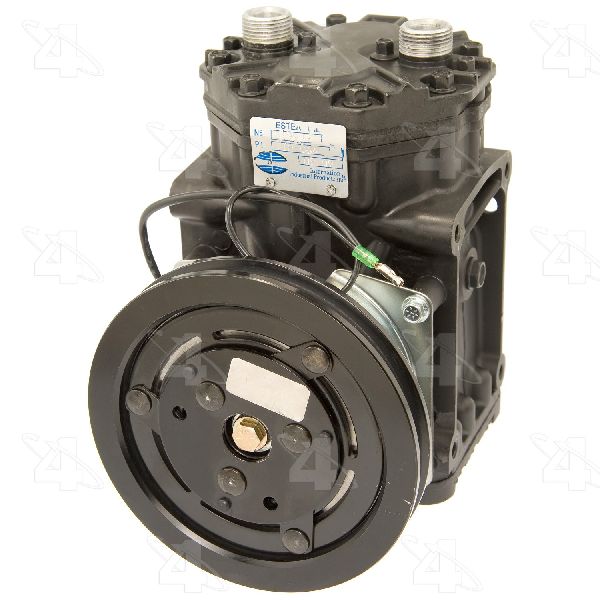
- Compressor Clutch Not Engaging: The compressor's clutch is a pulley on the front that engages when you turn on the A/C. You should hear a "click" and see the center part of the pulley start spinning. If it doesn't move, there could be an electrical issue or the clutch itself has failed.
- Visible Leaks: The compressor contains oil and refrigerant. If you see oily residue or grime on the compressor body, it could be leaking.
A Note on System Contamination
When a compressor fails internally, it can send small metal particles throughout the entire A/C system. If you replace only the compressor without flushing the system and replacing the receiver/drier, these particles will destroy your new compressor very quickly. 🎬 See how to properly flush your system to protect new parts. This is the most common mistake made during this repair.
Choosing a New Aftermarket Compressor
Finding a brand-new original equipment (OEM) compressor for a vehicle of this age is nearly impossible. Your realistic options are a new aftermarket compressor or a remanufactured unit. For the 1967-1983 Mercury Cougar, new aftermarket parts are a practical choice.
Generational Differences (1967-1983)
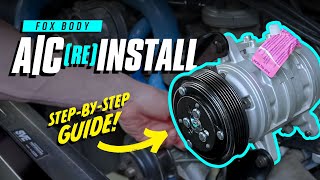
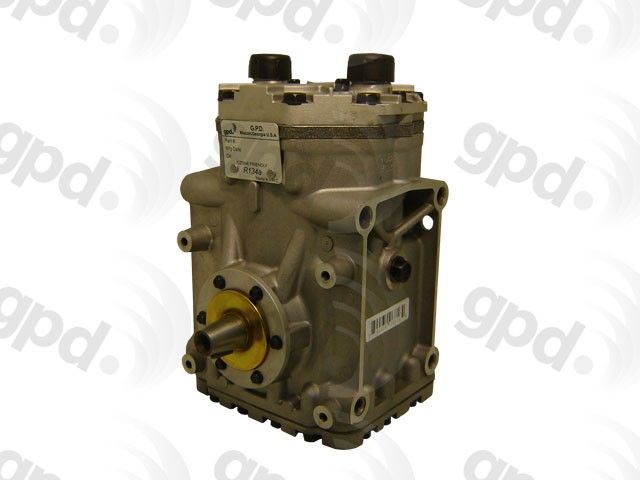
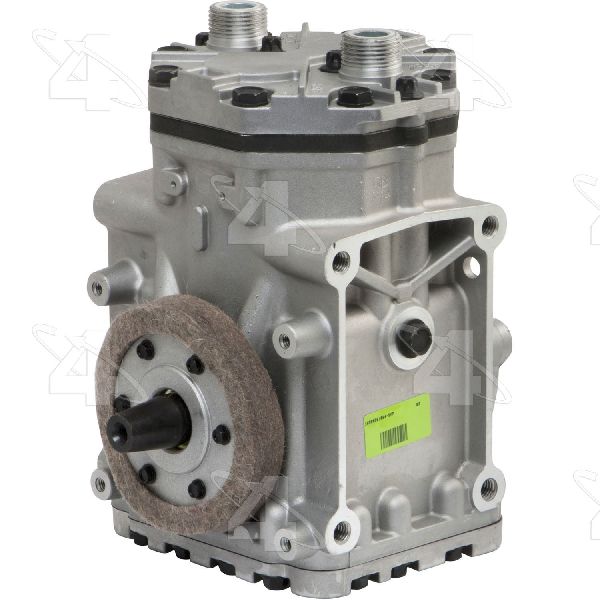
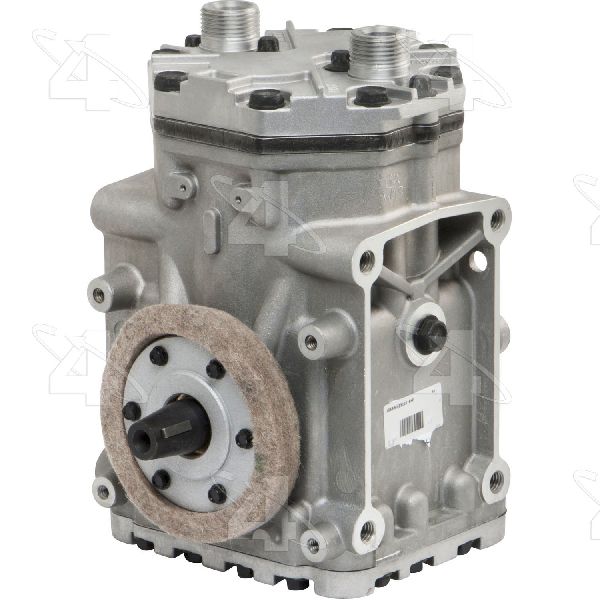
The Mercury Cougar saw many changes during this long production run. Early models (late '60s and early '70s) often used large, heavy piston-driven compressors, like the York or Tecumseh models. Later models, especially the Fox-body based Cougars from 1980-1983, used more modern designs. 🎬 Watch: Step-by-step A/C compressor installation for Fox-body era models. It is critical to identify the correct compressor for your specific year and engine, as they are not interchangeable.
Aftermarket Brand Quality: Four Seasons & Global Parts
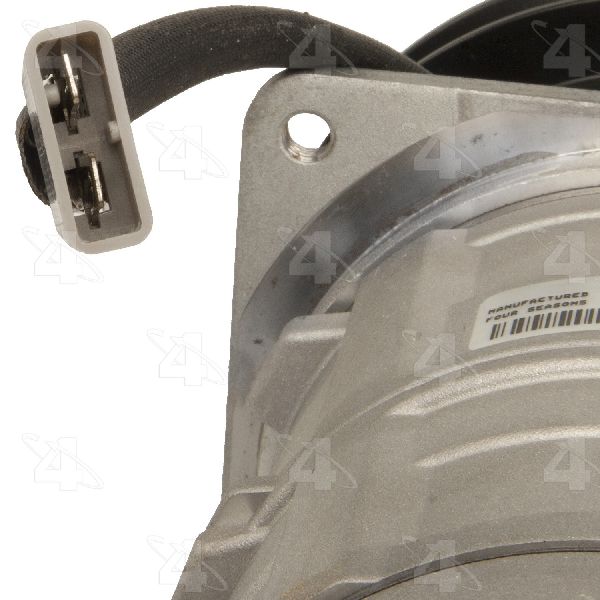
When shopping for a new aftermarket compressor, you will likely encounter brands like Four Seasons and Global Parts (GPD). Customer feedback on these brands is mixed. Some users report that Four Seasons compressors work well and provide cold air. However, others have experienced premature failures, particularly with remanufactured units. There is less public feedback available for GPD, but some forum discussions show a preference for Four Seasons over other budget options. Given the critical nature of the part, choosing a new unit over a remanufactured one may offer better reliability.
Consider an Upgrade
Many Cougar owners choose to upgrade their A/C system with a modern kit from companies like Vintage Air or Classic Auto Air. These kits often include a more efficient and reliable Sanden-style rotary compressor, which draws less engine power. While more expensive, this can be a long-term solution for better performance.
Estimated Replacement Costs
The cost to replace an A/C compressor can vary. The parts themselves are one part of the cost, but labor and other necessary components add to the total. Always get a quote from a qualified mechanic.
| Part/Service | Estimated Cost |
|---|---|
| New Aftermarket Compressor | $225 - $540 |
| Remanufactured Compressor | $150 - $350 |
| Shop Labor & System Service | $300 - $600+ |
| Total Estimated Job Cost | $525 - $1140+ |
*Costs are estimates and can vary based on location, vehicle condition, and parts availability. This table does not include the cost of a full system conversion kit.
Frequently Asked Questions
Do I have to replace other parts with the compressor?
Yes. At a minimum, you MUST replace the receiver/drier (on older systems) or accumulator (on newer systems). You should also replace the orifice tube if your system has one. It is also essential to have the system professionally flushed to remove old oil and debris from a failed compressor. Failure to do this will cause your new compressor to fail.
My Cougar uses R12 refrigerant. What should I do?
Original A/C systems on these cars used R12 refrigerant, which is no longer produced and is expensive. When replacing a major component like the compressor, it is the perfect time to convert the system to modern R134a refrigerant. This involves using a specific oil (Ester or PAG), replacing O-rings, and installing new service port fittings. A professional shop must handle the recovery of any remaining R12 gas.
Can I replace the A/C compressor myself?
This is a challenging job for a DIY mechanic. While the physical replacement is straightforward bolting, the A/C system requires special tools. You need manifold gauges, a vacuum pump to remove moisture, and access to a refrigerant recovery machine to handle the old refrigerant legally and safely. For most owners, this job is best left to a professional mechanic who specializes in automotive A/C work.
What is the difference between a new and a remanufactured compressor?
A new aftermarket compressor is made entirely of new components. A remanufactured (or rebuilt) compressor starts with a used OEM core (the main body), which is cleaned, inspected, and rebuilt with new seals, bearings, and other wear items. While remanufactured parts can be a good value, their quality can be inconsistent, and they sometimes have a higher failure rate than new parts.
Helpful Videos


Technical Specifications
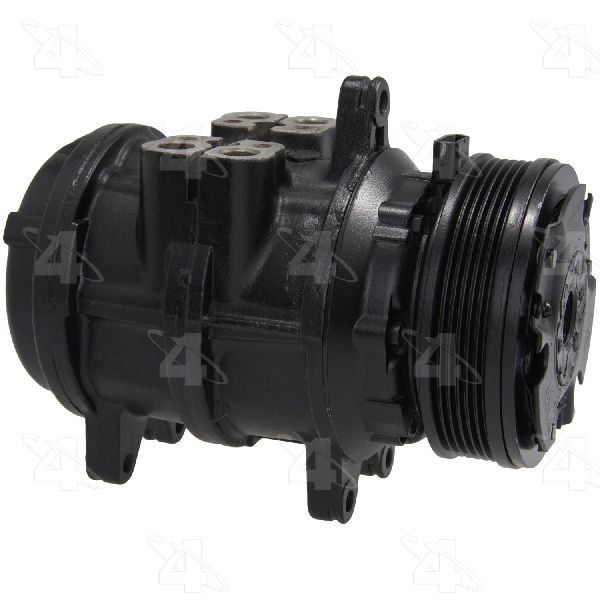
Compressor type varies by year and engine. Early models often used York 2-cylinder or Tecumseh compressors. Later models may use Ford FX-15 or other rotary-style compressors. Pulley type (V-belt vs. Serpentine) and number of grooves are critical for matching. Original refrigerant was R12.
We Have This Part in Stock

The information in this article is provided for general reference and educational purposes only. Vehicle specifications, procedures, and part compatibility can vary by production date, trim level, and region. Always consult your vehicle's factory service manual and verify part numbers before purchasing or performing repairs. Safety-critical components such as airbags, seat belts, and braking systems should be installed by a qualified professional.
- 🎬 Helpful Videos
- 🛍️ Shop This Part
- Is Your Cougar's A/C Blowing Hot Air?
- Symptoms of a Bad A/C Compressor
- A Note on System Contamination
- Choosing a New Aftermarket Compressor
- Generational Differences (1967-1983)
- Aftermarket Brand Quality: Four Seasons & Global Parts
- Consider an Upgrade
- Estimated Replacement Costs
- Frequently Asked Questions
- 🎟️ Get 5% Off