

Pontiac Firebird Ignition Switch Guide for 1967-1983 Models
Having trouble starting your classic Firebird? Your ignition switch might be the culprit.
- Verify your Firebird's year and column type (tilt vs. non-tilt) before ordering; the part changed in 1969.
- Symptoms like stalling, no-start, and flickering dash lights all point to a possible bad ignition switch.
- Don't confuse the ignition switch with the lock cylinder you put the key in; they are separate parts.
- For best results and longevity on a classic car, choosing a premium aftermarket brand like ACDelco or Standard Ignition is a wise investment.
Is Your Firebird's Ignition Switch Failing?
A bad ignition switch in a 1967-1983 Pontiac Firebird can cause problems that seem unrelated. You might think you have a dead battery or a bad starter, but the real issue could be this small electrical part. Because it controls power to so many systems, a failing switch can leave you stranded. Symptoms often start small and get worse, so it's important to recognize them early.
Key Differences by Year
It's crucial to know that the ignition switch changed during this period:
- 1967-1968: These early models have the ignition switch located on the dashboard.
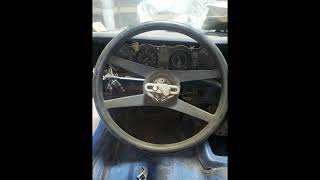
- 1969-1983: Starting in 1969, the ignition switch was moved to the steering column. This was a major change for GM cars. The part itself is a different shape and located further down the column, activated by a rod connected to the key cylinder.
You must order the correct switch for your year and, for later models, whether you have a tilt or non-tilt steering column, as the parts can differ.
Common Ordering Mistake
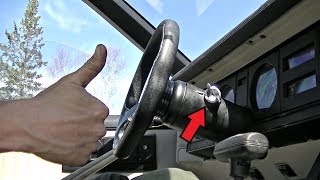
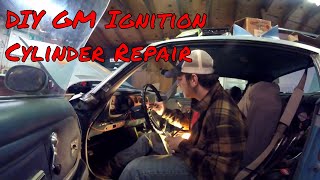
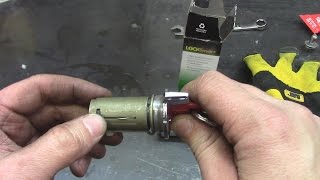
Do not confuse the ignition switch with the ignition lock cylinder. The lock cylinder is the part you put your key into. The switch is the electrical component that the lock cylinder operates. If your key is hard to turn or feels sticky, the problem might be the lock cylinder, 🎬 See how to repair a sticky ignition lock cylinder. not the switch. However, if you have electrical symptoms like stalling or no-start, the switch is a likely suspect.
Choosing the Right Aftermarket Ignition Switch
For a classic car like the Firebird, you won't find a "new" OEM part from GM. Instead, you'll find aftermarket parts from various brands. Quality can vary, so it's important to choose wisely.
| Brand Tier | Brands | Quality & Cost Assessment |
|---|---|---|
| Premium Aftermarket | ACDelco, Standard Ignition (SMP) | ACDelco is GM's official parts brand. For older cars, their parts are often considered the benchmark for fit and quality, though they may be manufactured by other companies to GM's specs. Standard Ignition is a highly respected aftermarket brand known for making quality electrical components that often meet or exceed original specifications. Many professional mechanics trust and use these brands. Expect to pay more for this level of quality. |
| Standard Aftermarket | Rostra Powertrain | Rostra is a known aftermarket manufacturer. While not always considered a top-tier brand like ACDelco or Standard, they provide functional replacement parts that are a viable option for budget-conscious repairs. Quality is generally considered acceptable for a daily driver or restoration project. |
| Economy | Replacement | This category typically includes house brands or unbranded parts. They are the most affordable option and can get your car back on the road. However, their long-term durability and the quality of materials may not match the premium brands. They can be a good choice for a car that is not driven frequently, but for a prized classic, investing a little more in a known brand is often recommended. |
Frequently Asked Questions (FAQ)
My key turns but nothing happens. Is it the ignition switch?
It could be. If you turn the key and hear absolutely nothing—no click, no crank—the ignition switch might not be sending power to the starter circuit. This can also be caused by a dead battery or bad connections, so it's important to test the battery first. A classic symptom of a bad switch is when wiggling the key causes the dashboard lights to flicker or the engine to try and start.
The car starts but then dies immediately. Can this be the ignition switch?
Yes. This is a very common symptom. The switch may provide power in the 'Start' position but fail to maintain power to the ignition and fuel systems in the 'Run' position. As soon as you let go of the key and it springs back to 'Run', the engine cuts out.
Are there any recalls for the 1967-1983 Firebird ignition switch?
No. While GM had major, well-publicized ignition switch recalls in the 2010s, those were for much newer vehicles (mostly from 2003-2011) with a completely different design. The 1967-1983 Pontiac Firebird is not affected by these recalls. My search found no evidence of any NHTSA recalls for the ignition switch on these specific model years.
How hard is it to replace the ignition switch myself?
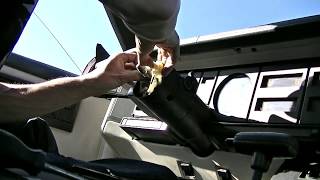
For a mechanically inclined owner, this is a feasible DIY job. For 1969-1983 models, it involves removing the lower dash panels and steering column covers to access the switch on top of the column. It is held by two screws and has a rod that needs to be correctly aligned. The difficulty is moderate, mainly due to working in a tight space under the dashboard. 🎬 Watch this walkthrough for installing a column-mounted ignition switch. For 1967-68 models, the switch is on the dash and is generally easier to access.
🎬 Watch: 1967-1968 dash-mounted ignition switch troubleshooting and replacement guide.Helpful Videos


Technical Specifications
OEM Part Numbers: 1990116
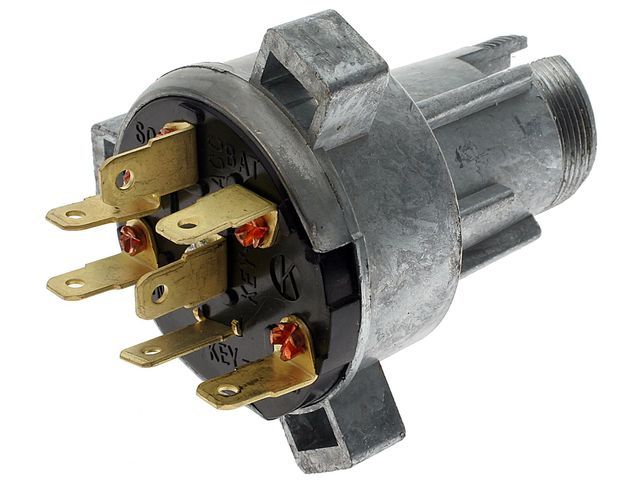
Varies by year. 1967-68 models are dash-mounted. 1969-83 models are mounted on the steering column and actuated by a rod. Switches are specific to tilt or non-tilt steering columns. Connector type and terminal count (typically 7) are key identifiers.
We Have This Part in Stock


The information in this article is provided for general reference and educational purposes only. Vehicle specifications, procedures, and part compatibility can vary by production date, trim level, and region. Always consult your vehicle's factory service manual and verify part numbers before purchasing or performing repairs. Safety-critical components such as airbags, seat belts, and braking systems should be installed by a qualified professional.