

Choosing the Right Spark Plugs for Your 1968-1970 Opel Rallye
Keep your classic Rallye's engine firing on all cylinders with the correct new spark plugs.
- Standard copper-core spark plugs are the best choice for the Opel Rallye's original ignition system; expensive modern plugs are not necessary.
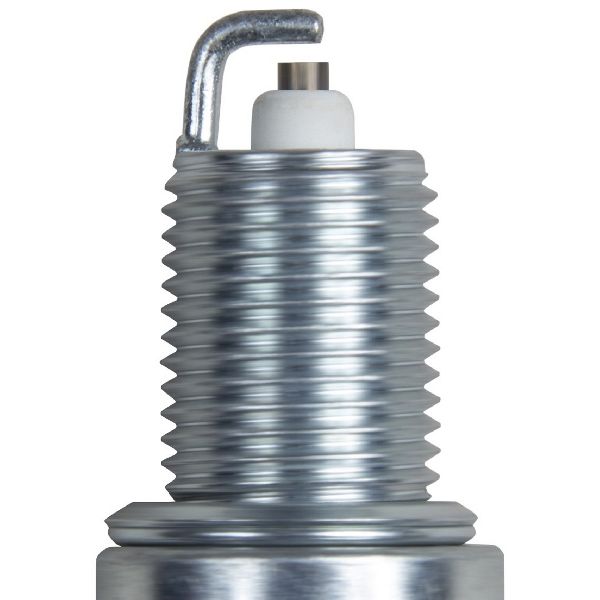
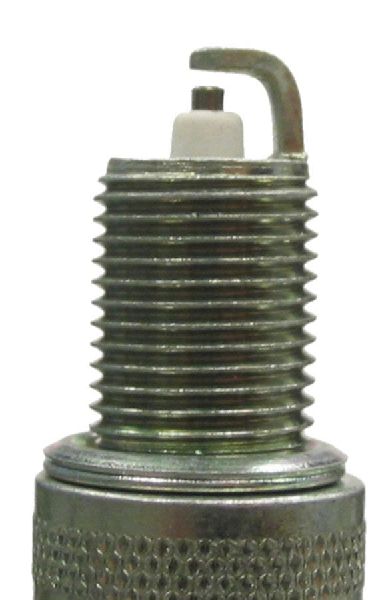
- For the 1.9L CIH engine, the correct spark plug gap is 0.030 inches (0.7-0.8mm); always verify this before installation.
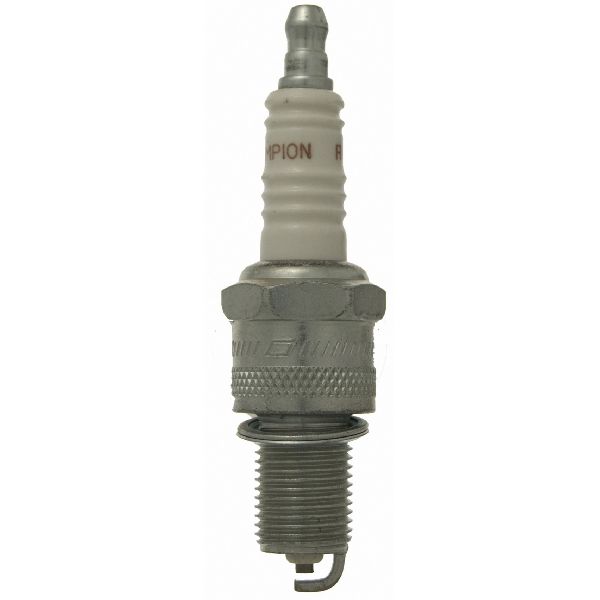
- NGK and Champion are highly recommended aftermarket brands that provide reliable performance for this classic engine.
- Replacing spark plugs is a simple, low-cost maintenance task that can prevent poor performance, rough idling, and bad fuel economy.
Symptoms of Failing Spark Plugs
The engine in the 1968-1970 Opel Rallye, typically a 1.9L CIH, is a straightforward design, but it relies on good spark plugs to run correctly. Since this vehicle was built before modern on-board diagnostics, you won't get a "Check Engine Light" with a specific code. Instead, you need to watch for physical symptoms. 🎬 Watch this video to see common symptoms of bad plugs. When plugs start to wear out, you'll likely notice one or more of these signs:
- Rough Idle: The engine may shake or vibrate more than usual when you're stopped.
- Engine Misfires: You might feel a hesitation or stumble from the engine, especially when accelerating. This happens when a plug fails to ignite the fuel in its cylinder.
- Difficulty Starting: Worn plugs have a harder time creating a strong enough spark to start the engine.
- Poor Fuel Economy: When plugs aren't firing efficiently, the engine burns more fuel to produce the same amount of power.
- Black or Sooty Exhaust: Inefficient combustion from bad plugs can lead to a richer-running engine, causing darker exhaust smoke.
Choosing the Right Aftermarket Spark Plug
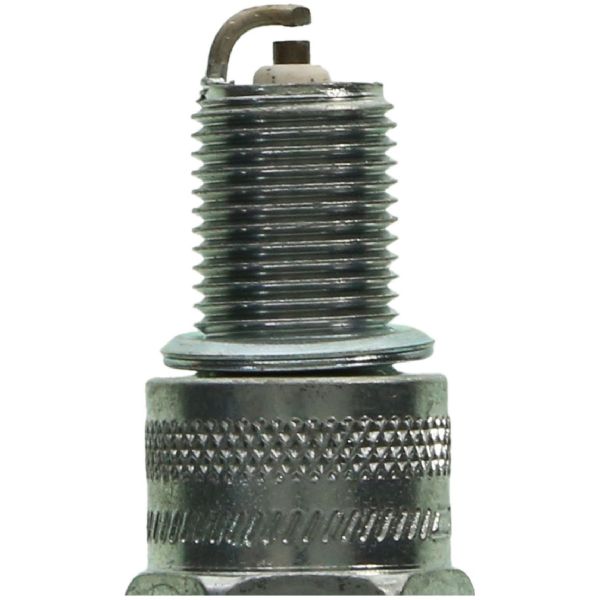
Original Equipment (OEM) spark plugs for a classic vehicle like the Opel Rallye are no longer in production. The good news is that high-quality aftermarket brands are widely available and offer excellent performance. For this engine, expensive precious-metal plugs (like iridium or platinum) are not necessary and may not provide any benefit over the original style. Standard copper-core plugs perform very well, are affordable, and are appropriate for the vehicle's original ignition system.
Brand Tiers for Your Opel Rallye
- Excellent Quality (Recommended): NGK and Champion are frequently recommended brands for classic European engines. NGK is known for its high-quality manufacturing and reliability. Champion was a common original supplier for many European cars of this era and their standard copper plugs are a great choice for the Rallye's engine.
- Good Quality (Standard): Autolite produces reliable copper spark plugs that offer good value. They are a solid, dependable choice for regular driving and maintenance.
Pro Tip: Check the Gap!
Always check the spark plug gap before installation, even if the box says it's "pre-gapped." For the Opel Rallye 1.9L CIH engine, the recommended spark plug gap is 0.030 inches (or 0.7-0.8 mm). Use a feeler gauge to ensure the gap is correct. An incorrect gap can lead to misfires and poor performance.
Cost of Aftermarket Spark Plugs for 1968-1970 Opel Rallye
| Brand Tier | Price Range (Per Plug) |
|---|---|
| Standard Copper (Autolite, Champion) | $3.50 - $6.00 |
| Premium Copper (NGK) | $6.00 - $14.32 |
Note: Prices are estimates and can vary based on the retailer and specific part number.
Known Issues & Recalls
Searches for official recalls and Technical Service Bulletins (TSBs) on the NHTSA database for spark plug issues on the 1968-1970 Opel Rallye yielded no results. This is common for vehicles of this age. Any issues, such as oil fouling on the plugs, are more likely related to general engine wear 🎬 Learn how to troubleshoot engine issues by inspecting your plugs. (like worn piston rings or valve seals) rather than a specific flaw in the spark plug design.
Frequently Asked Questions (FAQ)
How often should I change my spark plugs?
For a classic car like the Opel Rallye using standard copper spark plugs, a good replacement interval is every 15,000 to 20,000 miles or every 2-3 years, whichever comes first. Given their low cost, changing them is excellent preventative maintenance.
Do I need special tools to change my spark plugs?
You will need a standard ratchet, a spark plug socket (which has a rubber insert to protect the plug), and an extension. You will also need a feeler gauge or gapping tool to verify the spark plug gap. For the Opel CIH engine, access to the plugs on the side 🎬 See what can go wrong during a simple spark plug job. of the head is generally straightforward.
What is a spark plug "heat range"?
The heat range refers to how quickly the spark plug transfers heat away from its firing tip. It's important to use a plug with the correct heat range specified for your engine. Using a plug that is too "hot" can cause engine damage, while a plug that is too "cold" can foul easily. Stick with the recommended part numbers for your vehicle to ensure the correct heat range.
Can I use modern Iridium or Platinum plugs in my Opel?
While you might find a modern plug that fits, it's generally not recommended. The ignition systems in classic cars like the Rallye were designed for standard copper plugs. Expensive precious-metal plugs won't offer a performance benefit and can sometimes cause inconsistent firing with older ignition systems. Stick with what the engine was designed for: quality copper plugs.
Helpful Videos
Technical Specifications
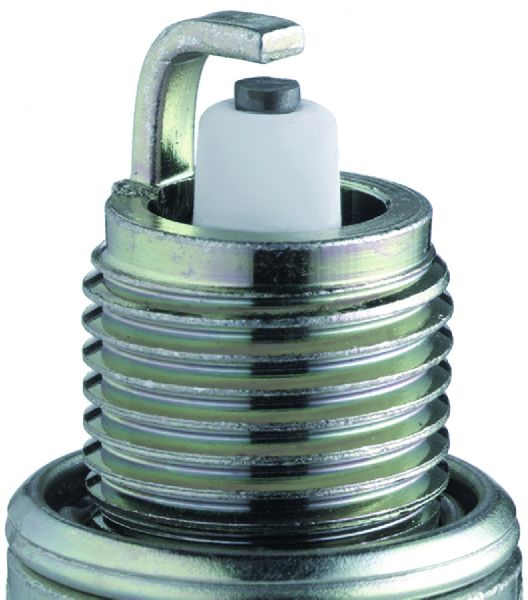
Spark Plug Gap: 0.030 in (0.7-0.8 mm) Engine Application: Primarily 1.9L CIH, though some 1.1L models exist. Plug Type: Standard Copper Core Recommended
We Have This Part in Stock

The information in this article is provided for general reference and educational purposes only. Vehicle specifications, procedures, and part compatibility can vary by production date, trim level, and region. Always consult your vehicle's factory service manual and verify part numbers before purchasing or performing repairs. Safety-critical components such as airbags, seat belts, and braking systems should be installed by a qualified professional.