

1968-1972 Buick Electra Radiator Hose Replacement Guide
Keep your classic Electra's big-block V8 cool by knowing when and how to replace your radiator hoses.
- Always use molded hoses, not universal flexible ones, to ensure proper fit and coolant flow.
- Inspect hoses regularly for cracks, swelling, or soft spots; age is a bigger factor than mileage for these parts.
- Both Gates and Dayco are quality brands, but Gates is often preferred by classic car enthusiasts for fit and material thickness.
- When replacing hoses, it is critical to also replace the clamps and ensure the lower hose has its anti-collapse spring.
Is Your Electra's Radiator Hose Failing?
The rubber hoses on a classic car are exposed to decades of heat and pressure. It's not a matter of if they will fail, but when. Catching a bad hose early can save you from being stranded and prevent catastrophic engine damage from overheating. Check your hoses every time you check your oil.
Common Symptoms of a Bad Hose
- Coolant Leaks: Puddles of green or orange fluid under the front of your car are a sure sign of a leak. You might also see white or colored crusty residue around the hose clamps where coolant has been slowly seeping and evaporating.
- Visible Damage: Look for cracks, splits, or abrasions on the hose surface. Any hose that is rubbing against another part of the engine needs to be repositioned or replaced.
- Bulging or Swelling: If a hose looks swollen or ballooned, especially near the ends, its internal structure has failed. This hose is at high risk of bursting suddenly.
- Spongy or Hard Texture: When the engine is cool, squeeze the hoses. They should feel firm but pliable. A hose that feels mushy, spongy, or rock-hard and crunchy is deteriorating from the inside out and needs immediate replacement.
- Engine Overheating: If your temperature gauge starts climbing, a failing hose could be the cause. It might have a pinhole leak, or it could have collapsed internally, blocking the flow of coolant.
WARNING: Risk of Serious Burns
Never open the radiator cap or attempt to work on coolant hoses when the engine is hot. The cooling system is under high pressure and the coolant can be over 220°F (104°C), which can cause severe burns. Always wait for the engine to cool down completely.
Choosing the Right Aftermarket Hose
For a vehicle from the 1968-1972 era, finding "New Old Stock" (NOS) GM hoses is nearly impossible and extremely expensive. Thankfully, modern aftermarket brands produce high-quality replacements that often exceed the original specifications. The two most common and trusted brands are Gates and Dayco.
Molded vs. Flexible Hoses
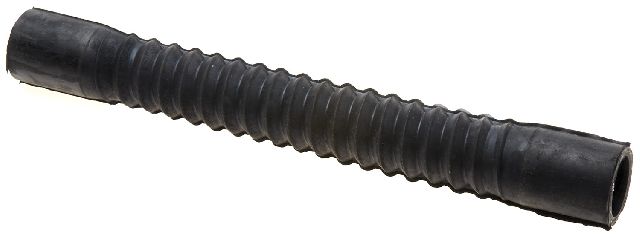
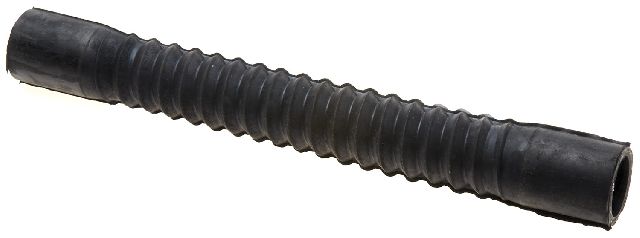
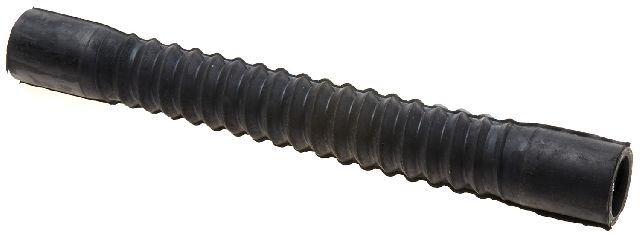
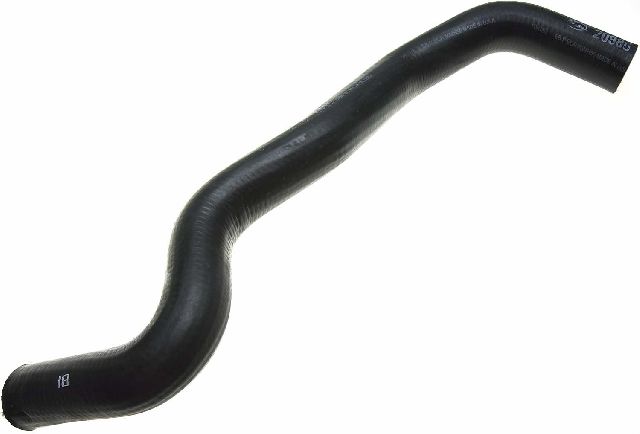
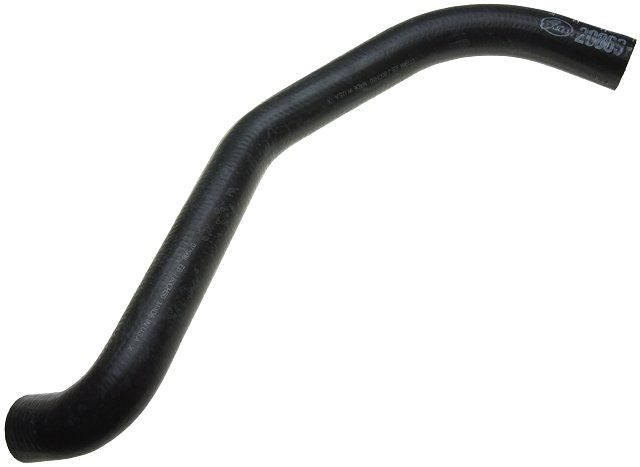
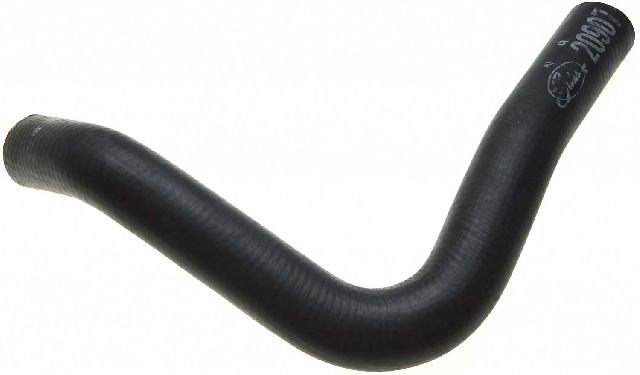
For your Buick Electra, you should always choose a molded hose. These are pre-shaped to fit your specific vehicle perfectly. This ensures there are no kinks or unnecessary stress on the radiator connections. Avoid universal "flexible" hoses, as they can restrict coolant flow and may not hold up as well.
Brand Comparison: Gates vs. Dayco
Both Gates and Dayco are reputable manufacturers that supply parts to automakers. For classic American cars, both are generally considered good choices. However, forum discussions among classic car owners often show a slight preference for Gates, citing better fitment and a more substantial feel. Some users have noted that Dayco hoses can sometimes be thinner than Gates. Given the critical role of these hoses, going with a trusted brand like Gates is a solid investment.
Pro Tip: Don't Forget the Clamps
Always replace the hose clamps when you replace the hoses. Old clamps can lose their tension or corrode, leading to leaks. While modern worm-drive clamps work, many restorers prefer to use original-style spring clamps for an authentic look and even pressure.
Replacement Cost Breakdown
Replacing radiator hoses is one of the more affordable maintenance jobs you can do. The parts are inexpensive, and the labor is straightforward for a mechanic or an experienced DIYer.
| Part or Service | Estimated Cost |
|---|---|
| New Aftermarket Hoses (Upper & Lower) | $25 - $42 |
| Shop Labor | $100 - $200 |
| Total Estimated Cost | $125 - $242 |
Frequently Asked Questions
How often should I replace the radiator hoses on my Electra?
For a classic car that isn't driven daily, a visual inspection every few months is key. As a rule of thumb, replacing them every 5-7 years is a good preventative measure, regardless of mileage. Age, more than miles, degrades rubber components.
Do I need a special spring inside the lower hose?
Yes, the lower radiator hose requires an internal spring to prevent it from collapsing under suction from the water pump. Most quality aftermarket molded hoses for your Electra will come with this spring already installed. Always verify this before installation.
Can I replace just one hose?
You can, but it's not recommended. If one hose has failed due to age, the other is likely not far behind. It is best practice to replace the upper and lower hoses (and bypass hose, if applicable) at the same time.
Are there any recalls for this issue?
No. Searches of the National Highway Traffic Safety Administration (NHTSA) database show no safety recalls related to radiator hoses for the 1968-1972 Buick Electra. Any failures are due to the age and wear of the component.
Technical Specifications
Hose dimensions vary by specific year and engine (430ci vs 455ci). Upper and lower hoses have different shapes. The lower hose must contain an anti-collapse spring. Common inlet/outlet size is 1.5 inches.
We Have This Part in Stock

The information in this article is provided for general reference and educational purposes only. Vehicle specifications, procedures, and part compatibility can vary by production date, trim level, and region. Always consult your vehicle's factory service manual and verify part numbers before purchasing or performing repairs. Safety-critical components such as airbags, seat belts, and braking systems should be installed by a qualified professional.
- 🛍️ Shop This Part
- Is Your Electra's Radiator Hose Failing?
- Common Symptoms of a Bad Hose
- WARNING: Risk of Serious Burns
- Choosing the Right Aftermarket Hose
- Molded vs. Flexible Hoses
- Brand Comparison: Gates vs. Dayco
- Pro Tip: Don't Forget the Clamps
- Replacement Cost Breakdown
- Frequently Asked Questions
- 🎟️ Get 5% Off