

Mercury Montego Automatic Transmission Mount Guide (1968-1972)
Solving clunks, thumps, and vibrations from your classic Montego's transmission.
- Listen for clunks when shifting and feel for new vibrations at idle; these are the top signs of a failed mount.
- Aftermarket brand quality varies greatly; Pioneer is reviewed more favorably than budget brands like Anchor and DEA for classic cars.
- Replacement is a manageable DIY job for a classic RWD car, requiring basic tools and a floor jack.
- Ignoring a bad mount can lead to damage to other components like the driveshaft or exhaust system.
Is Your Montego's Transmission Mount Failing?
A bad transmission mount on a classic car like the 1968-1972 Montego can cause a range of symptoms. Because this part is made of rubber and metal, it wears out over decades of use. When it fails, the transmission is no longer held securely, leading to problems.
Key Symptoms:
- Clunking or Banging Noises: The most common sign is a loud clunk or bang when you accelerate, brake hard, or shift from drive to reverse. This is the sound of the transmission moving around and hitting the car's frame.
- Excessive Vibration: You might feel a new or stronger vibration in the cabin, especially when the car is idling in gear. Since the mount's job is to absorb vibration, a failed mount lets all that shaking transfer into the car body.
- Rough Shifting: A worn mount can cause the transmission to sag or sit at the wrong angle. This can sometimes interfere with shift linkages on older cars, making gear changes feel jerky or difficult.
- Visible Movement: If you can safely look under the car, you might see that the transmission is sagging or that the rubber on the mount is cracked, separated, or soaked with fluid. An assistant can help you check for movement by putting the car in gear and lightly applying the throttle while holding the brakes (power braking), which can reveal excessive engine and transmission movement.
Choosing the Right Aftermarket Mount
For a classic vehicle, original equipment (OEM) parts are often unavailable. You will be choosing from several aftermarket brands. Quality can vary significantly, and for a part like this, it matters.
Aftermarket Brand Tiers
| Tier | Brands | Assessment |
|---|---|---|
| Economy / Budget | Anchor, DEA, Westar | These brands are widely available and very inexpensive. However, numerous reviews from classic car owners report issues with poor quality, incorrect fit, and very short lifespans, sometimes failing in under a year. They are often considered a temporary fix at best. Some users describe them as "junk" or "rubbish." |
| Standard Replacement | Pioneer | Pioneer brand mounts generally receive more positive feedback. Owners often report that the fit and quality appear much closer to the original factory part. For those seeking a reliable rubber mount without the high cost or harshness of other options, Pioneer is often considered a solid choice. |
| Performance / Durability | Polyurethane (e.g., Prothane, Energy Suspension) | Polyurethane mounts are a durable upgrade from rubber. They are resistant to oil and chemicals and won't degrade like rubber. The trade-off is a potential increase in cabin vibration and noise because polyurethane is much stiffer. This is a good option for performance-oriented builds or for owners who want a permanent solution and don't mind a slightly harsher ride. |
Replacement Cost
Replacing the transmission mount is a relatively inexpensive job. The part itself is affordable, and the labor is straightforward for a mechanic.
| Item | Estimated Cost |
|---|---|
| New Aftermarket Mount | $16.68 - $21.79 |
| Shop Labor | $100 - $200 |
| Total Professional Replacement | $117 - $222 |
Frequently Asked Questions (FAQ)
How can I be sure my transmission mount is bad?
The easiest way is to look for the most common symptoms: a clunking noise when shifting into gear or accelerating, and a noticeable new vibration. A visual inspection can confirm it; look for cracked or separated rubber on the mount, which is located at the rear of the transmission where it bolts to the crossmember.
Is replacing the transmission mount a difficult DIY job?
For a rear-wheel-drive car like the Montego, this is a very feasible DIY project for someone with basic tools. The process involves safely supporting the vehicle on jack stands, placing a floor jack with a block of wood under the transmission pan to support its weight, unbolting the crossmember, and then unbolting the old mount. The entire job can typically be done in 1-2 hours.
What happens if I don't replace a bad transmission mount?
Ignoring a failed mount is not recommended. The constant movement can put stress on other parts, including engine mounts, driveshaft U-joints, and exhaust pipes. In severe cases, the movement could cause the cooling fan to hit the radiator shroud or lead to other component damage, resulting in more expensive repairs down the road.
Should I use a rubber or polyurethane mount?
It depends on your goal. If you want to maintain the original smooth and quiet ride, a quality rubber mount (like Pioneer) is the best choice. If your priority is maximum durability and you have a performance-oriented car, a polyurethane mount is a great upgrade, but be prepared for a possible increase in vibration felt inside the car.
Technical Specifications
OEM Part Numbers: 2253
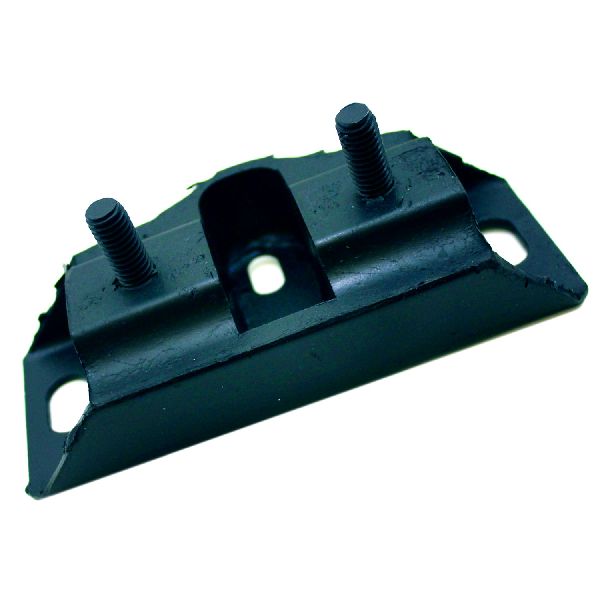
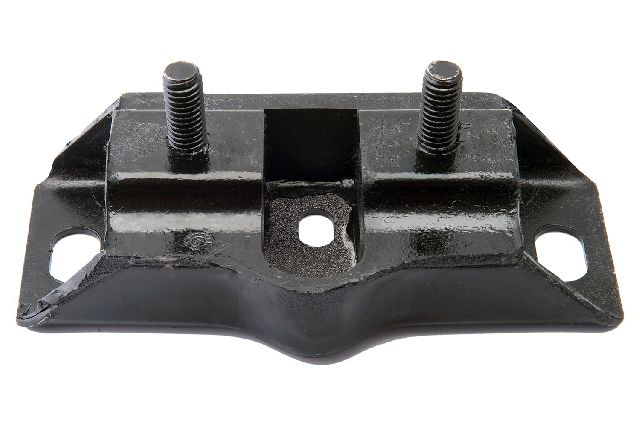
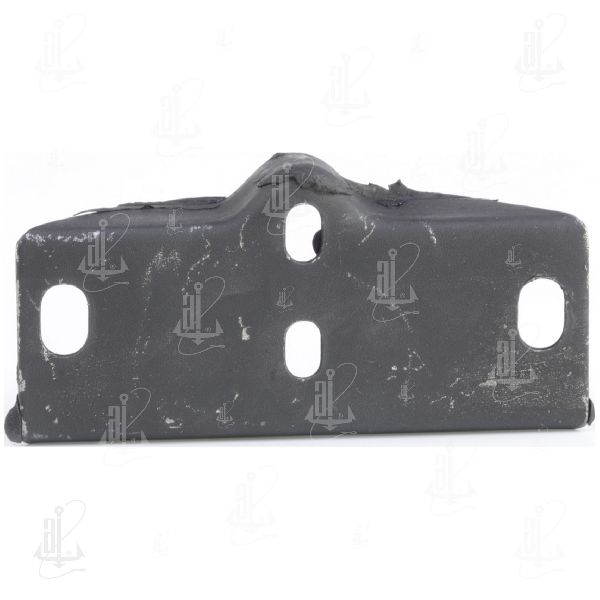
The automatic transmission mount for the 1968-1972 Mercury Montego is a single-bolt or two-bolt stud design that attaches to the transmission crossmember. It consists of a metal frame bonded to a rubber block to absorb vibration. The correct mount will have studs with 7/16-14 inch threads.
We Have This Part in Stock


The information in this article is provided for general reference and educational purposes only. Vehicle specifications, procedures, and part compatibility can vary by production date, trim level, and region. Always consult your vehicle's factory service manual and verify part numbers before purchasing or performing repairs. Safety-critical components such as airbags, seat belts, and braking systems should be installed by a qualified professional.