

Volvo 145 Automatic Transmission Oil Cooler: A Guide for 1968-1974 Models
Keep your classic Volvo 145's automatic transmission safe from its most common and costly failure.
- The original cooler is inside the radiator; a failure here will destroy your transmission by mixing coolant and ATF.
- Installing a separate, external aftermarket cooler is the best way to permanently prevent this common and catastrophic failure.
- Check your radiator fluid for a pink, milky appearance. If you see it, stop driving immediately.
- Aftermarket brands like Hayden offer affordable and effective external coolers that are a smart upgrade for this vehicle.
Understanding the Original Design and Its Major Flaw
For the 1968-1974 Volvo 145, the automatic transmission cooler is not a separate part you can see. It is a small heat exchanger built into one of the side tanks of the main engine radiator. Hot transmission fluid is pumped from the transmission, through this chamber in the radiator to be cooled, and then back to the transmission. While this works, it creates a major risk as the vehicle ages.
The wall separating the engine coolant from the transmission fluid inside the radiator can corrode and fail. When this happens, high-pressure engine coolant is forced into the low-pressure transmission cooler circuit. This contamination quickly destroys the friction materials on the clutch plates inside the transmission, leading to catastrophic failure. This is often called the "strawberry milkshake" failure because the mix of red ATF and green coolant creates a pink, frothy mess.
Symptoms of a Failing Transmission Oil Cooler
Catching a failure early is critical. If you see any of these signs, you should stop driving the car immediately to prevent permanent transmission damage.
- Milky Pink Fluid: The most definitive sign of failure is a pink, milky, or frothy substance in your radiator's overflow tank or on the transmission fluid dipstick. This confirms coolant and ATF are mixing.
- Transmission Slipping or Shifting Poorly: If the transmission hesitates, shifts harshly, or the engine RPMs flare up between gears, the fluid may be contaminated or overheating. This often gets worse as the car warms up.
- Fluid Leaks: Red or brownish ATF puddles under the front of the car can indicate a leak from the cooler lines or the fittings at the radiator.
- Overheating Transmission: You may notice a distinct burning smell, which is the smell of burnt ATF. This indicates the fluid is getting too hot to do its job.
Warning: Coolant in Your Transmission is an Emergency
If you suspect coolant has mixed with your transmission fluid, do not continue to drive the car. Even a short trip can be enough to ruin the transmission completely, turning a radiator replacement into a full transmission rebuild.
Choosing the Right Aftermarket Solution
For a vintage car like the Volvo 145, finding a new OEM radiator is nearly impossible. The aftermarket is your best and often only choice. You have two main options:
- New Aftermarket Radiator: Replace the entire radiator with a new aftermarket unit. This restores the original cooling system design. However, the risk of internal failure, while low with a new part, will always exist.
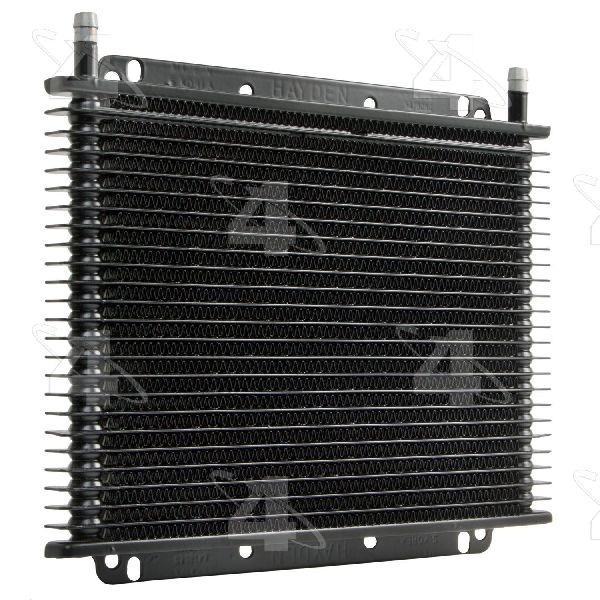
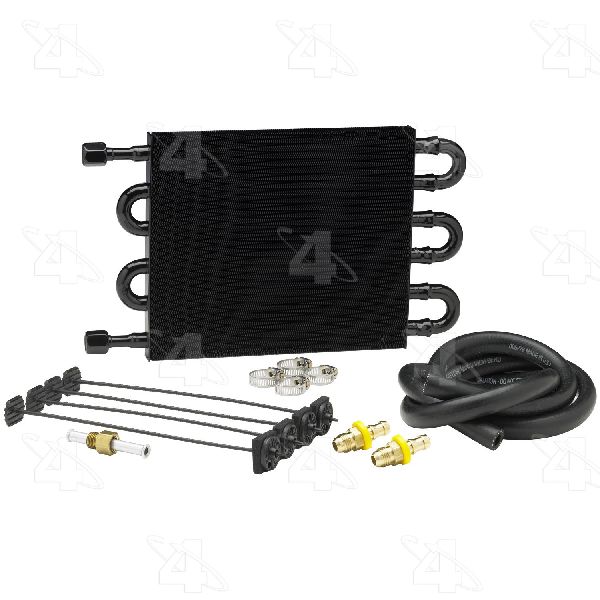
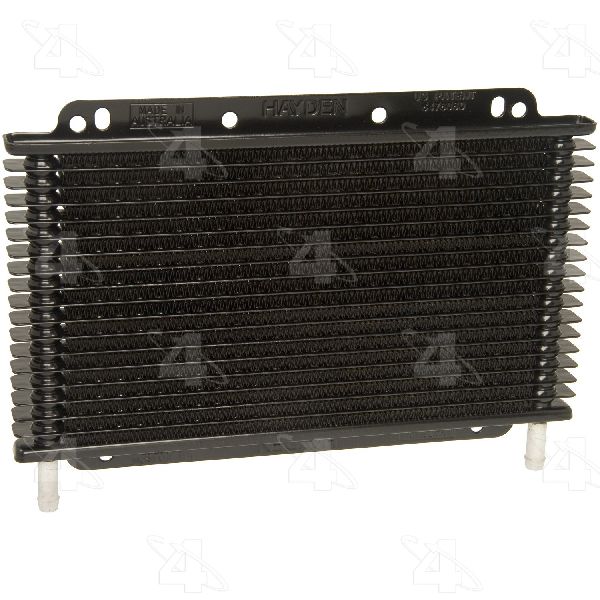
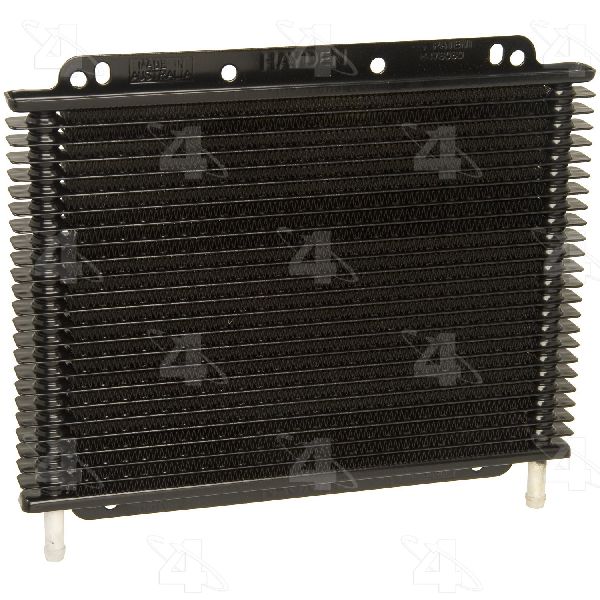
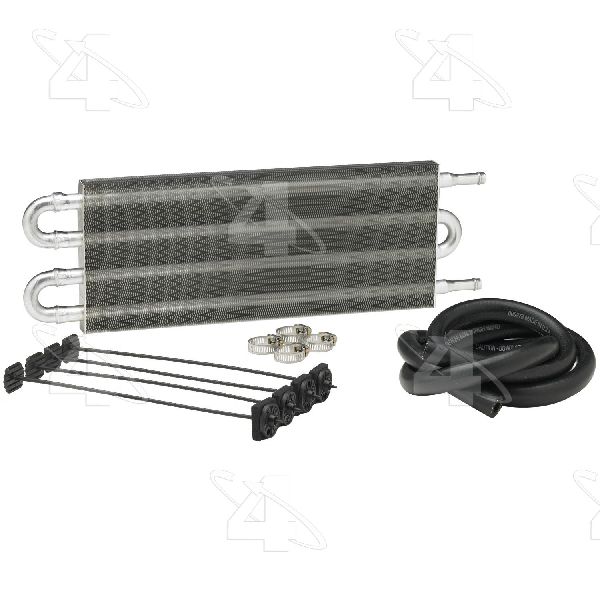
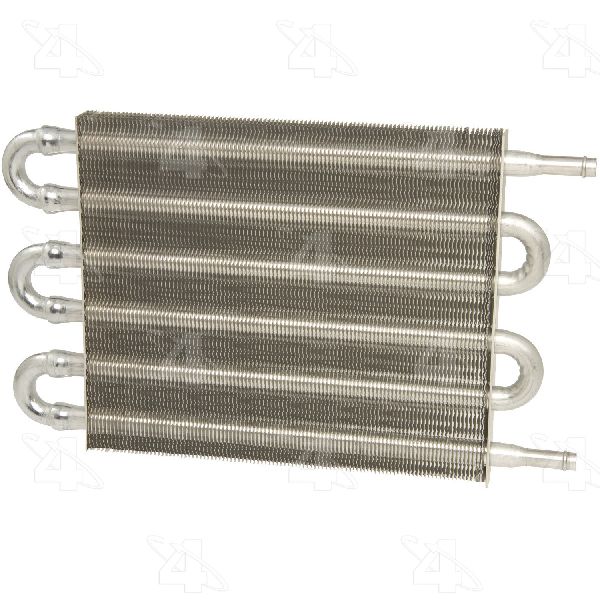
- External Transmission Cooler (Recommended): A more robust and popular solution is to install a separate, universal-fit aftermarket transmission cooler. This involves bypassing the original cooler in the radiator entirely. The new cooler is mounted in front of the radiator, where it gets direct airflow. This completely eliminates the risk of coolant contamination. Brands like Hayden and Four Seasons offer universal plate-and-fin style coolers that are very effective for this purpose.
Pro Tip: Go with an External Cooler
For peace of mind and improved cooling performance, installing an external cooler is the preferred method for most classic Volvo owners. It's a permanent solution to the factory design's biggest weakness.
Brand Quality: Hayden and Four Seasons
Both Hayden and Four Seasons are well-known aftermarket brands. Hayden is frequently mentioned in forums as a reliable and budget-friendly choice for transmission coolers. Their plate-and-fin designs are considered more efficient than older tube-and-fin styles. While specific reviews for Four Seasons coolers are less common in Volvo forums, they are a major aftermarket supplier with a reputation for producing quality replacement parts. For your Volvo 145, a cooler from either brand will be a significant upgrade over a worn-out original.
Estimated Costs for Replacement
| Part Type | Estimated Cost |
|---|---|
| New Aftermarket External Cooler | $50 - $100 |
| New Aftermarket Radiator | $250 - $450 |
| Shop Labor (External Cooler Install) | $150 - $300 |
| Shop Labor (Radiator Replacement) | $200 - $400 |
Note: Costs are estimates and can vary by location and repair shop. A full transmission flush will be required if contamination has occurred, adding to the cost.
Frequently Asked Questions (FAQ)
Can I install an external transmission cooler myself?
Yes, this is a DIY-friendly job for someone with mechanical experience. The process involves mounting the new cooler, disconnecting the old lines from the radiator, and routing new hoses to the external cooler. You will need basic hand tools, a drain pan, and extra transmission fluid.
What kind of transmission fluid should I use in my Volvo 145?
The Borg-Warner BW35 transmission in your Volvo 145 requires a fluid that meets Type F or Type G specifications. Always check your owner's manual or a reliable service guide, as using the wrong fluid type can cause shifting problems.
If my fluid is contaminated, is just replacing the radiator and fluid enough?
It depends on how long the car was driven with the contamination. If caught immediately, a complete fluid flush (pushing 10-12 quarts through the system) might save it. However, in most cases, the coolant damages the clutch and band materials, and the transmission will eventually need to be rebuilt or replaced.
Is a bigger cooler always better?
For a stock Volvo 145, a moderately sized universal cooler (around 8x11 inches) is more than enough. An excessively large cooler can sometimes prevent the fluid from reaching its ideal operating temperature in very cold climates, which can affect shift quality. However, overheating is a much greater risk than over-cooling.
Technical Specifications
The original cooler is an integrated heat exchanger within the factory radiator. Aftermarket replacements are typically universal-fit 'plate-and-fin' or 'tube-and-fin' external coolers.
We Have This Part in Stock

The information in this article is provided for general reference and educational purposes only. Vehicle specifications, procedures, and part compatibility can vary by production date, trim level, and region. Always consult your vehicle's factory service manual and verify part numbers before purchasing or performing repairs. Safety-critical components such as airbags, seat belts, and braking systems should be installed by a qualified professional.
- 🛍️ Shop This Part
- Understanding the Original Design and Its Major Flaw
- Symptoms of a Failing Transmission Oil Cooler
- Warning: Coolant in Your Transmission is an Emergency
- Choosing the Right Aftermarket Solution
- Pro Tip: Go with an External Cooler
- Brand Quality: Hayden and Four Seasons
- Estimated Costs for Replacement
- Frequently Asked Questions (FAQ)
- 🎟️ Get 5% Off