

Ford Torino Alternator Guide: Choosing the Right Replacement for 1968-1976 Models
Stop chasing charging system problems and find the right alternator for your classic Torino.
- Charging problems are often caused by the external voltage regulator or bad wiring, not just the alternator.
- Always consider replacing the voltage regulator at the same time as the alternator for a complete repair.
- For a stock Torino, a standard replacement alternator is sufficient; high-output models are only needed for cars with major electronic upgrades.
- Replacement is a simple DIY job, typically taking about an hour with basic tools.
Is Your Ford Torino Alternator Failing?
Charging system issues in a classic Ford can be frustrating. While the alternator is a common suspect, problems can also come from old wiring or a bad voltage regulator. Look for these common symptoms to see if your alternator is the culprit.
Symptoms of a Bad Alternator:
- Dim or Flickering Lights: Headlights and dash lights may dim, especially at idle, and brighten as you rev the engine.
- Ammeter Shows Discharge: The factory ammeter gauge needle stays on the 'D' (discharge) side, or a battery warning light stays on.
- Weak or Dead Battery: The car is hard to start, cranks slowly, or you need to jump-start it frequently.
- Whining or Grinding Noises: Worn-out bearings inside the alternator will make a high-pitched whining or grinding sound that changes with engine speed.
- Burning Smell: A smell of hot rubber or burning electrical insulation can point to a seized alternator pulley or an overworked, failing unit.
Don't Forget the Voltage Regulator!
Most 1968-1976 Torinos use an external voltage regulator, a small metal box typically located near the battery. This part fails frequently and causes the exact same symptoms as a bad alternator. It is highly recommended to replace the voltage regulator whenever you replace the alternator to ensure a reliable repair. Also, check for corroded wiring and bad grounds, which are common issues on these cars.
Choosing the Right Aftermarket Alternator
For a vehicle of this age, new factory (OEM) alternators are no longer available. Aftermarket parts are the go-to choice. The key is to choose one that fits your needs and budget.
Tier 1: Stock Replacement Brands
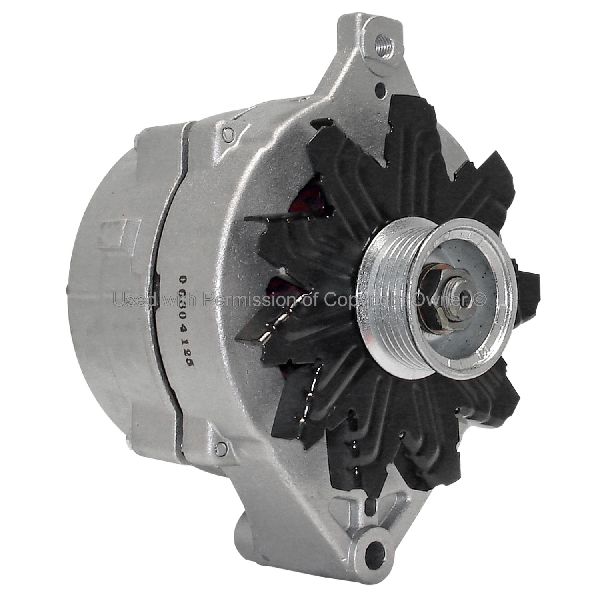
If your Torino is mostly original and you just need to get the charging system working reliably, a standard replacement is all you need. Brands like BBB Industries, MPA, and USA Industries offer remanufactured and new alternators that provide a cost-effective solution. While perfectly adequate for a stock vehicle, be aware that the quality of mass-market remanufactured parts can sometimes be inconsistent.
Tier 2: Premium Stock Replacement Brands
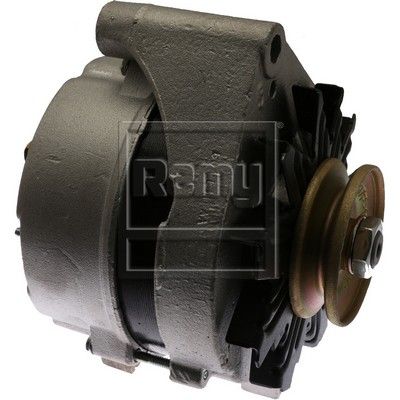
For a higher level of quality control and reliability, consider a brand like Remy. Remy is a long-established name in automotive electrics, and their new and remanufactured alternators are built to meet or exceed original factory specifications. This is a solid choice for owners who want extra peace of mind without modifying their vehicle's electrical system.
Tier 3: High-Output & Performance Brands
If you have added modern electronics like a powerful stereo, electric cooling fans, or extra lighting, a stock alternator may not keep up. Brands like Powermaster and Proform specialize in high-output (high-amperage) alternators. These units can provide significantly more power, especially at higher RPMs. However, be aware that some high-output alternators may produce less power at idle than a stock unit, and some users have reported reliability issues when used in high-RPM applications.
Pro Tip: Check Your Amperage Needs
Stock alternators for the Torino were typically in the 42 to 60-amp range. This is plenty for the original car. If you are considering a high-output unit, make sure you also upgrade the main charge wire from the alternator to the battery to handle the extra current safely.
Cost of a New Aftermarket Alternator for a 1968-1976 Ford Torino
| Part Type | Estimated Cost |
|---|---|
| New Aftermarket Alternator | $45 - $315 |
| Shop Labor for Installation | $100 - $180 |
Frequently Asked Questions
Do I need a high-output alternator?
Only if you have added significant electrical accessories like a high-wattage sound system, electric fans, or off-road lights. For a stock or lightly modified car, a standard-output alternator is sufficient and often more reliable at idle.
Why are my lights still dim after replacing the alternator?
This is a classic sign of a bad voltage regulator or a wiring issue. Check for corroded battery cables, a bad ground connection between the engine and chassis, or a faulty external voltage regulator.
How difficult is it to replace the alternator myself?
It is a relatively easy job for a DIY mechanic. The alternator is located at the top of the engine and is easily accessible. The process involves disconnecting the battery, loosening the belt, removing a few bolts, and swapping the wires.
What is an external voltage regulator?
It's a separate component from the alternator that controls the charging voltage. On these Torinos, it's usually a small, square metal box mounted on the fender wall near the battery. Later model cars have the regulator built inside the alternator.
Technical Specifications
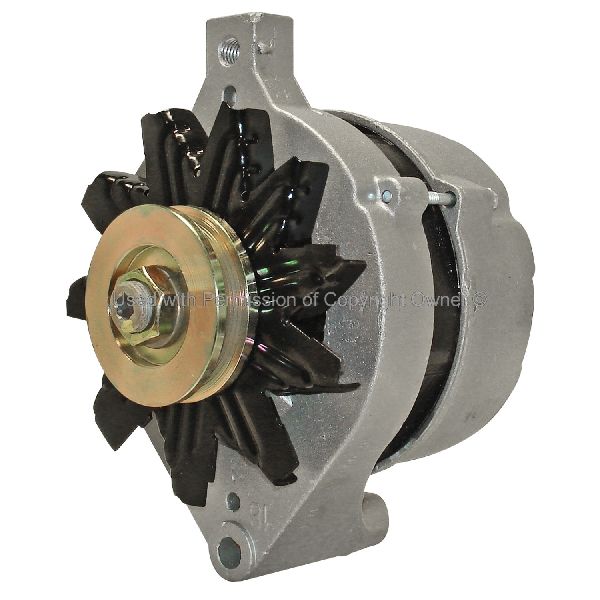
Most 1968-1976 Ford Torinos use an externally regulated alternator. Stock output is typically between 42 and 60 amps. The charging system relies on a separate voltage regulator module, which is a common failure point.
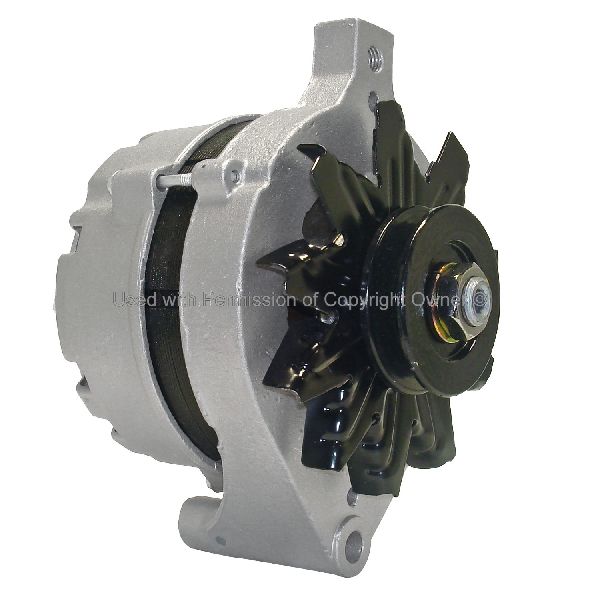
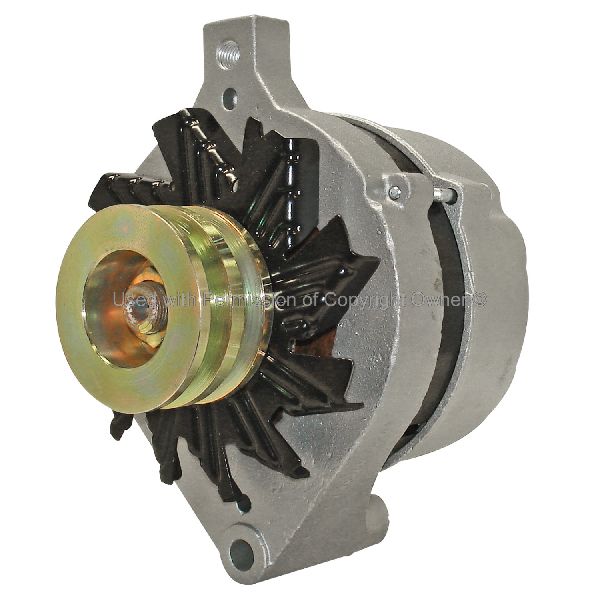
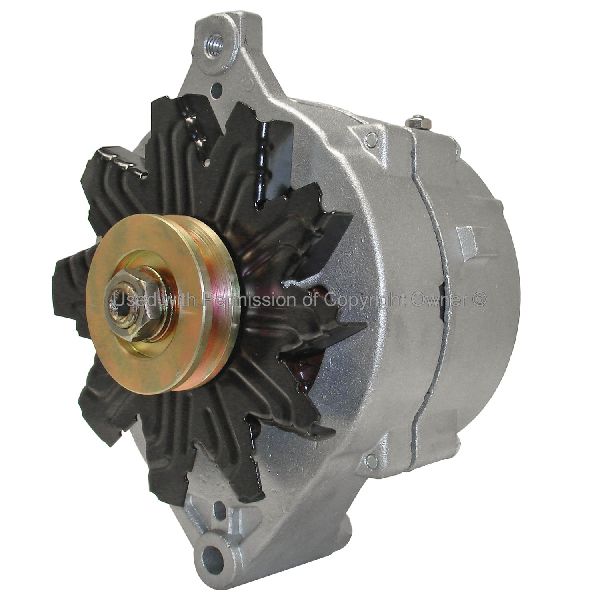
We Have This Part in Stock

The information in this article is provided for general reference and educational purposes only. Vehicle specifications, procedures, and part compatibility can vary by production date, trim level, and region. Always consult your vehicle's factory service manual and verify part numbers before purchasing or performing repairs. Safety-critical components such as airbags, seat belts, and braking systems should be installed by a qualified professional.
- 🛍️ Shop This Part
- Is Your Ford Torino Alternator Failing?
- Symptoms of a Bad Alternator:
- Don't Forget the Voltage Regulator!
- Choosing the Right Aftermarket Alternator
- Tier 1: Stock Replacement Brands
- Tier 2: Premium Stock Replacement Brands
- Tier 3: High-Output & Performance Brands
- Pro Tip: Check Your Amperage Needs
- Cost of a New Aftermarket Alternator for a 1968-1976 Ford Torino
- Frequently Asked Questions
- 🎟️ Get 5% Off