

Ford Torino Automatic Transmission Mount: A Complete Guide for 1968-1976 Models
Stop the clunking and shaking by choosing the right transmission mount for your classic Torino.
- Listen for clunking noises and feel for new vibrations, as these are the most common signs of a failed mount.
- Choose between standard rubber for a stock ride or polyurethane (Prothane) for performance, but be prepared for much more cabin noise with polyurethane.
- Always inspect your two motor mounts when replacing the transmission mount; they often wear out at a similar rate.
- Verify the correct part number for your Torino's specific year, engine, and transmission (C4, C6, or FMX) before purchasing.
Is Your Torino's Transmission Mount Failing?
A bad transmission mount on a classic Ford Torino makes itself known through very distinct sounds and feelings. Because these cars were built with heavy-duty components, a failure in the mount that holds the transmission in place can cause a lot of movement. The most common signs of a worn-out mount are clunking noises, vibrations, and excessive transmission movement.
Common Symptoms of Failure
- Clunking or Banging Noises: The most common sign is a clunking or banging sound when you accelerate, brake hard, or shift gears between Drive and Reverse. This noise is the sound of the transmission moving excessively and hitting against the chassis because the mount is no longer holding it securely.
- Excessive Vibration: The rubber part of the mount is designed to absorb vibrations. When it fails, these vibrations travel through the car's frame and into the cabin. You might feel this shaking in the floor, seats, or even the steering wheel, especially when idling or accelerating.
- Drivetrain Movement: A worn mount allows the entire engine and transmission assembly to move more than it should. You might notice the gear shifter moving during acceleration. In a related issue common to older Fords, a bad mount can worsen problems with the shift linkage, potentially causing the car to slip out of Park.
Pro Tip: While you are inspecting the transmission mount, always check your motor mounts as well. They are made of similar materials and are subjected to the same conditions. If the transmission mount has failed, the motor mounts may not be far behind. Replacing them at the same time can save you from doing the job twice.
Choosing the Right Aftermarket Mount
Since New Old Stock (NOS) Ford parts are extremely rare and expensive, you will be choosing from aftermarket options. For the 1968-1976 Torino, your choice comes down to two main categories: standard rubber mounts that mimic the original feel, and performance polyurethane mounts that offer a different set of trade-offs.
Tier 1: Performance Polyurethane Mounts (Prothane)
Polyurethane is a much stiffer material than rubber. A brand like Prothane offers a polyurethane mount that drastically reduces engine and transmission movement. This provides a more connected feel and ensures more power gets to the wheels. However, this stiffness comes at a cost. Polyurethane transmits far more noise, vibration, and harshness (NVH) into the cabin. Many drivers find the increase in cabin noise and vibration to be significant, making it a better choice for a weekend performance car rather than a comfortable cruiser.
Warning: Polyurethane mounts are not for everyone. The increase in vibration and noise can be dramatic and may make your car less enjoyable for regular driving.
Tier 2: Standard Rubber Replacements (Anchor, DEA, Westar)
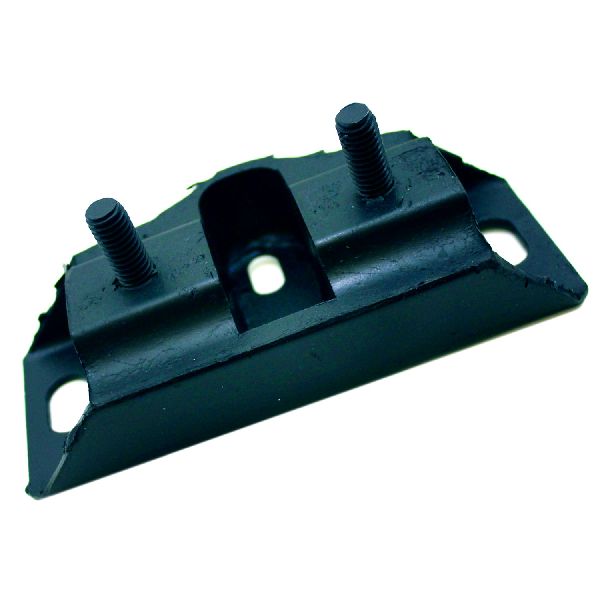
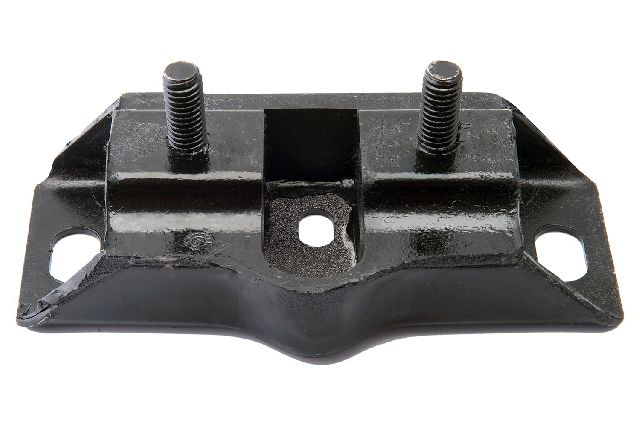
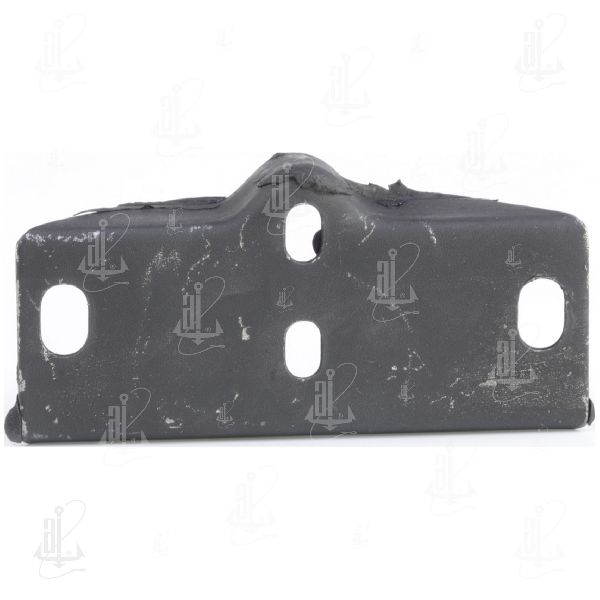
Brands like Anchor, DEA, and Westar offer direct replacements made from rubber, designed to restore the original ride quality. These are the most affordable options. However, online forums and reviews from mechanics show mixed results for these brands across various vehicles. Some users report issues with poor fit, with holes not lining up correctly, and premature failure where the rubber cracks or separates within a year. Others have used them without any problems. While they are budget-friendly, be aware that the quality and longevity may not match the original Ford part.
Estimated Costs for Replacement
| Part Type | Estimated Cost |
|---|---|
| New Aftermarket (Rubber) | $16 - $22 |
| New Aftermarket (Polyurethane) | $55 - $65 |
| Shop Labor | $100 - $180 |
| Total Professional Replacement | $116 - $245 |
Frequently Asked Questions (FAQ)
Can I drive my Torino with a bad transmission mount?
You can, but it is not recommended for long. A completely failed mount can cause stress on other parts like the driveshaft, U-joints, exhaust system, and engine mounts, leading to more expensive repairs.
Is a polyurethane mount better than a rubber one?
It depends on your goal. For performance driving and racing, polyurethane is better because it controls torque and limits drivetrain movement. For a stock, comfortable ride, a quality rubber mount is the better choice as it absorbs more vibration.
How do I check if my transmission mount is bad?
Visually inspect the mount for cracks, tears, or separation in the rubber. You can also have a helper put the car in gear with the brakes held firmly while you safely watch the engine bay. Excessive lifting or rocking of the engine and transmission points to a bad mount.
How many transmission mounts does a Ford Torino have?
The 1968-1976 Ford Torino has one transmission mount located at the rear of the transmission, which attaches to a removable crossmember. It also has two motor mounts.
Do I need a special mount for a C4 vs a C6 transmission?
Yes, part numbers can vary by year, engine, and specific transmission (C4, C6, FMX). Always verify the part number for your exact vehicle configuration before ordering. Common aftermarket numbers include 2253, 2347, and 2372.
Technical Specifications
Common Aftermarket Part Numbers: 2253, 2347, 2372 (Rubber); 6-1605-BL, 4.1136 (Polyurethane). Material: Rubber or Polyurethane. Location: Rear of transmission, on the crossmember.
We Have This Part in Stock


The information in this article is provided for general reference and educational purposes only. Vehicle specifications, procedures, and part compatibility can vary by production date, trim level, and region. Always consult your vehicle's factory service manual and verify part numbers before purchasing or performing repairs. Safety-critical components such as airbags, seat belts, and braking systems should be installed by a qualified professional.
- 🛍️ Shop This Part
- Is Your Torino's Transmission Mount Failing?
- Common Symptoms of Failure
- Choosing the Right Aftermarket Mount
- Tier 1: Performance Polyurethane Mounts (Prothane)
- Tier 2: Standard Rubber Replacements (Anchor, DEA, Westar)
- Estimated Costs for Replacement
- Frequently Asked Questions (FAQ)
- 🎟️ Get 5% Off