

Ford Torino Drum Brake Hardware Kit Guide: 1968-1976
Everything you need to know before replacing the springs and clips in your classic Torino's rear brakes.
- You must replace the drum brake hardware kit every time you replace the rear brake shoes on your Torino.
- Before ordering, you must measure your brake drums to confirm the correct size (e.g., 10-inch vs. 11-inch).
- For a small price increase, professional-grade kits from brands like Raybestos or Centric offer better corrosion resistance.
- If you own a 1976 Torino, be aware of a past recall on the parking brake cable tension, which can affect rear brake wear.
Why You Must Replace Your Torino's Brake Hardware
On a classic car like the 1968-1976 Ford Torino, the original drum brake hardware is over 50 years old. The springs have lost their tension from millions of cycles, and rust has weakened every component. It is not a matter of if this hardware will fail, but when. A broken return spring can allow a brake shoe to drag, causing noise, extreme heat, and rapid wear. In a worst-case scenario, multiple parts can break apart inside the drum, leading to a complete loss of braking on that wheel. Replacing the hardware kit is a non-negotiable part of any rear brake job on these vehicles.
Critical Ordering Mistake: Know Your Brake Size!
The single biggest mistake when ordering brake parts for a 1968-1976 Torino is getting the wrong size. Ford used several different brake systems across this generation, with variations by year and body style (sedan, wagon, Ranchero). Common drum sizes include 10x2", 10x2.5", 11x2.25", and 11x2.5". The hardware kit you buy must match the size of your brake shoes and drums. Before ordering, you must remove a rear wheel and drum to measure the width and inner diameter of your existing setup.
Choosing the Right Aftermarket Hardware Kit
Since original Ford parts are no longer made, you will be choosing from aftermarket brands. For a component like a hardware kit, the quality differences are mainly in the materials and corrosion resistance. All reputable brands will restore proper function.
- Good - Economy Brands (Carlson, Dorman, Centric/Raybestos Standard): These brands provide functional, budget-friendly kits that meet basic requirements. They are a massive improvement over 50-year-old original parts. For a car that is driven occasionally, these kits are perfectly adequate. Some forum users note that Centric and Raybestos are often considered the same company.
- Better - Professional Grade (Raybestos Professional, Centric Premium): These kits often feature better materials and coatings for improved corrosion resistance. Given the small price difference, opting for a professional-grade kit is a smart investment for longevity. These are well-regarded choices in classic car forums.
- Best - Performance/Specialty (Dynamic Friction): Brands like Dynamic Friction sometimes use higher-grade materials, such as more stainless steel components, for maximum durability and corrosion resistance. For a show car or a vehicle that will see frequent use, these can offer the longest service life.
Known Issues for 1968-1976 Ford Torino Drum Brakes
While no recalls exist for the hardware itself, a related issue is important to note:
- 1976 Parking Brake Recall: Ford issued Campaign No. 168 for some 1976 Torinos due to improperly tensioned parking brake systems. This could cause the rear brake shoes to drag, leading to overheating and premature wear of both the shoes and the hardware. If you have a '76 model, ensure your parking brake cable is adjusted correctly after your brake job.
- Hardware Disintegration: As mentioned, complete failure of the internal hardware is a known issue on cars of this age. One owner on a Ford Torino forum reported that when they removed the drum, the hardware had completely disintegrated and fallen out in pieces. This highlights the importance of proactive replacement.
Pro Tip: While you have the brakes apart, carefully inspect the wheel cylinders for any signs of fluid leaks. A leaking wheel cylinder will contaminate your new shoes and hardware, ruining them. If there is any dampness or greasy buildup, replace the wheel cylinders at the same time.
Frequently Asked Questions (FAQ)
Can I reuse my old brake hardware?
No. The springs lose tension over time and can break without warning. The self-adjuster components can seize from rust. Reusing old hardware is a major safety risk and will likely cause problems with your new brake shoes. A new kit is inexpensive insurance for a safe and effective brake job.
Do the hardware kits come with everything I need?
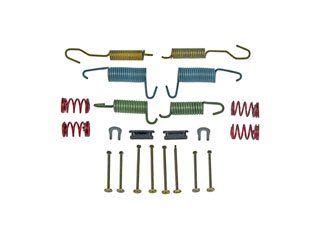
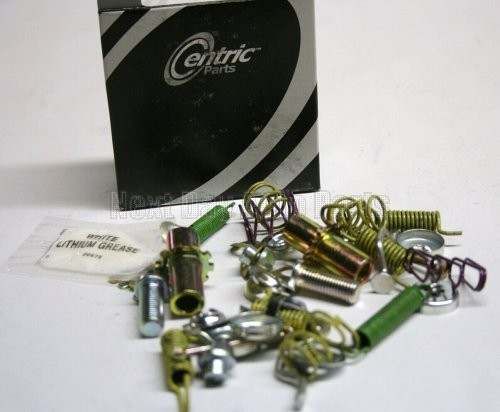
A complete hardware kit should include all the springs, pins, and clips for both the left and right rear wheels. Some kits also include the self-adjuster lever and cable. Always check the product description to see exactly what is included. The parking brake strut (the metal bar between the shoes) is often not included and must be reused or sourced separately.
Is one brand better than another for a classic Torino?
For hardware kits, most brands like Raybestos, Centric, and Carlson are considered reliable choices for classic cars. The most important factor is ensuring the kit is for the correct brake size for your specific Torino. Spending a few extra dollars for a professional-grade kit with better anti-corrosion coatings is a good idea.
What causes a grinding noise from the rear brakes?
A grinding noise is a critical sign that the brake shoe friction material is completely worn away, and the metal shoe is grinding against the metal drum. This can also be caused by broken hardware allowing parts to move around and make contact inside the drum. If you hear grinding, you should stop driving the vehicle immediately.
Technical Specifications
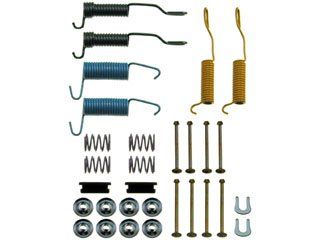
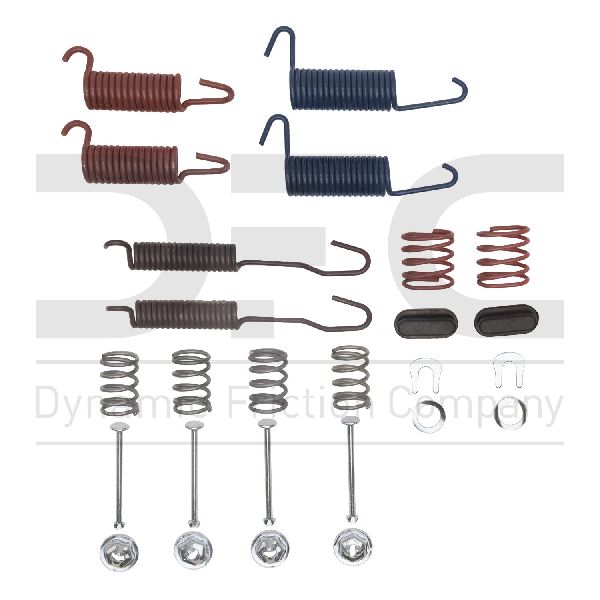
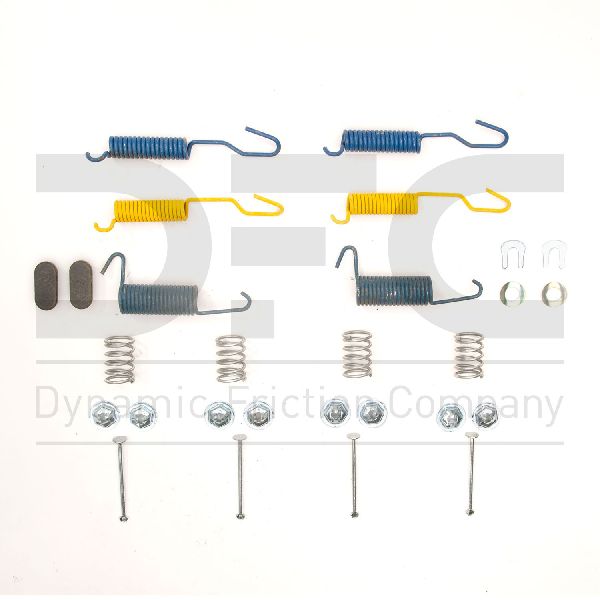
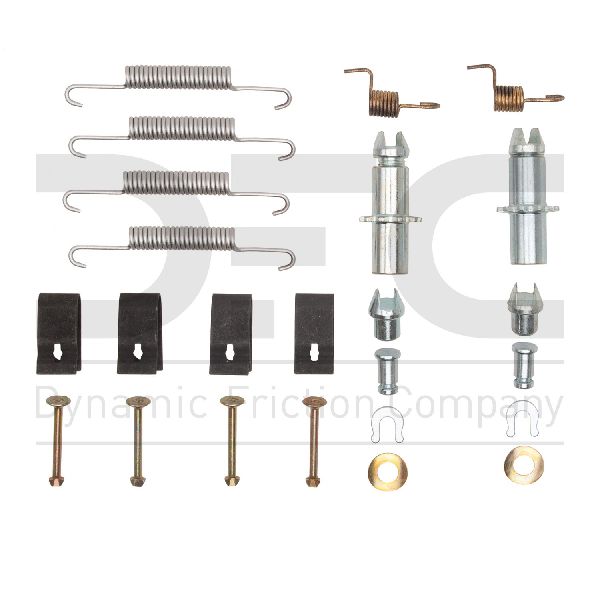
Kit components vary but typically include return springs, hold-down springs, pins, clips, and self-adjuster components. Must be matched to vehicle's specific drum diameter and shoe width (e.g., 10x2", 11x2.25", etc.).
We Have This Part in Stock

The information in this article is provided for general reference and educational purposes only. Vehicle specifications, procedures, and part compatibility can vary by production date, trim level, and region. Always consult your vehicle's factory service manual and verify part numbers before purchasing or performing repairs. Safety-critical components such as airbags, seat belts, and braking systems should be installed by a qualified professional.