

Ford Torino Mechanical Fuel Pump: A Guide for 1968-1976 Models
If your Torino is sputtering or stalling, the mechanical fuel pump is a likely suspect—here’s how to choose the right replacement.
- A failing pump causes sputtering, stalling, and no-start issues; a visible leak is a critical fire hazard.
- Modern aftermarket pump quality is inconsistent; spending more on a reputable brand like Holley, Edelbrock, or Carter is recommended over budget options.
- Always replace your fuel filter when installing a new pump and check for clogged or cracked fuel lines, as these can mimic pump failure.
- An aftermarket pump recall (NHTSA 07E-064) was issued in 2007 for brands including Carter on 1975-76 Torinos due to leaky diaphragms.
Is Your Torino's Fuel Pump Failing?
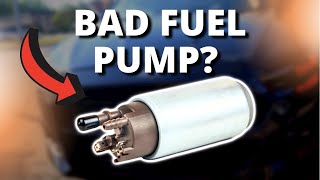
A failing mechanical fuel pump in a 1968-1976 Ford Torino will give you clear signs. The most common issue is fuel starvation, where the engine doesn't get enough gas. This can cause sputtering, hesitation when you step on the gas pedal, and a general loss of power, especially when climbing hills or accelerating hard. 🎬 Watch: A visual guide to common fuel pump failure symptoms. You might also experience the engine stalling, particularly after it has warmed up, and then having trouble restarting it. In severe cases, the pump fails completely, and your Torino won't start at all.
Critical Warning: Check for Leaks
One of the most dangerous symptoms of a bad fuel pump is a visible fuel leak. The internal diaphragm can rupture, causing gasoline to drip from the pump's "weep hole." This is a major fire hazard, as the fuel can drip onto the hot exhaust manifold. If you see or smell leaking gasoline around the pump, do not drive the car until it is replaced. A failed diaphragm can also leak fuel directly into your engine's oil crankcase, thinning the oil and causing severe engine damage.
Choosing the Right Aftermarket Fuel Pump: A Tiered Guide
Finding a quality mechanical fuel pump for a classic car has become challenging. Many classic Ford owners report that modern, budget-friendly aftermarket pumps can have a high failure rate, sometimes failing right out of the box or after only a few months. This is often due to poor quality internal diaphragms that may not hold up to modern ethanol-blended fuels. Investing in a better-known brand is often worth the extra cost for reliability.
Performance Tier: For Modified Engines
- Holley & Edelbrock: If your Torino has performance upgrades like a high-flow carburetor or modified engine, brands like Holley and Edelbrock are the top choice. They are designed for higher fuel flow (GPH - Gallons Per Hour) and are built with better quality components. While more expensive, they are trusted in the performance community for their reliability. Some Edelbrock models feature a rotatable lower housing, which can help with fitting the inlet/outlet around other engine components.
OE-Style Tier: For Stock Vehicles
- Carter: For decades, Carter was a go-to name for reliable OE-style fuel pumps. They are generally considered a solid choice for a stock or lightly modified Torino. However, be aware that some of their manufacturing has moved overseas, and some users have noted a decline in quality compared to older, US-made parts.
- Delphi: Delphi is a massive OE supplier for many car manufacturers. For classic Fords, their pumps are widely available. However, owner reviews are very inconsistent; some find them to be reliable replacements, while others report premature failures and fitment issues.
Economy Tier: Budget-Friendly Options
- GMB, Spectra, US Motor Works: These brands represent the lower end of the price spectrum. While they may function correctly, they are the brands most often associated with the quality complaints seen on owner forums. If your Torino is a daily driver, you may want to avoid the cheapest options. If the car is used infrequently or you are on a tight budget, they can be a viable choice, but inspect them carefully before installation and be aware of the potential for a shorter lifespan.
Aftermarket Recall Notice: NHTSA 07E-064
In 2007, a recall was issued for aftermarket fuel pumps made by Federal-Mogul and sold under several brand names, including Carter. The recall noted that diaphragms could be improperly installed, leading to fuel leaks. This recall specifically applied to pumps for the 1975-1976 Ford Gran Torino and Ranchero, among many other vehicles. While this was years ago, it highlights the long-standing quality control issues in aftermarket mechanical pumps.
How Much Does a New Fuel Pump Cost for a 1968-1976 Torino?
The cost will depend on the brand you choose and whether you do the work yourself. Original Ford (OEM) pumps are no longer available new. It is not recommended to use a used or remanufactured pump due to the age and likelihood of the internal rubber diaphragm being degraded.
| Item | Estimated Cost |
|---|---|
| New Aftermarket Part | $33 - $315 |
| Shop Labor | $120 - $250 |
| Total Professional Replacement | $153 - $565 |
Frequently Asked Questions
Is replacing the fuel pump a DIY job?
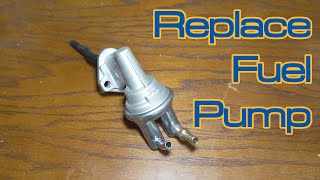
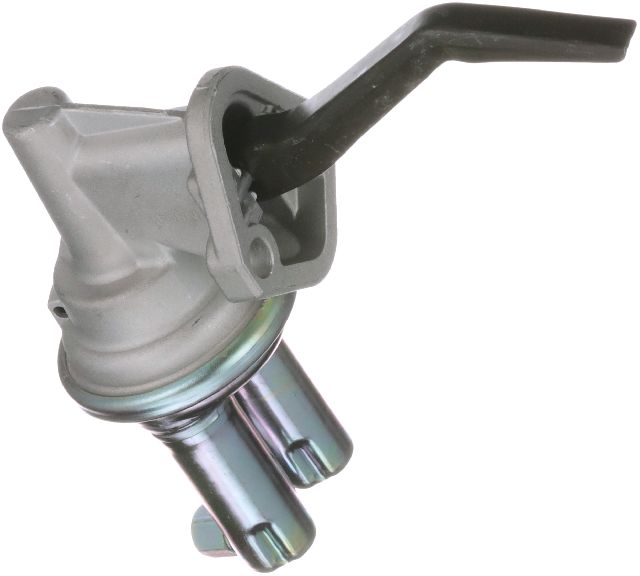
Yes, for most home mechanics with basic tools, this is a very feasible DIY job. The pump is located on the side of the engine block and is typically held on by two bolts. The process involves disconnecting the battery, removing the fuel lines, unbolting the old pump, cleaning the mounting surface, and installing the new one. The trickiest part is getting the new pump's actuator arm positioned correctly under the camshaft eccentric, which may require some force. Estimated time is 1-2 hours.
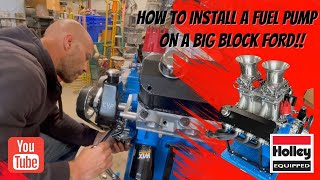
🎬 Watch this easy walkthrough for installing a Big Block Ford pump.Why do new mechanical fuel pumps fail so often?
There are two main reasons. First, general quality control on many lower-cost aftermarket parts is poor. Second, many experts and owners believe the rubber diaphragms in some modern pumps are not fully resistant to the ethanol content in today's gasoline, causing them to degrade and fail prematurely. This is why many owners recommend spending more on a reputable performance brand like Holley or Edelbrock, which are built to higher standards.
My new fuel pump isn't working! Is it defective?
While it's possible the new pump is bad out of the box, you should first check for other issues. Common problems include a clogged fuel filter (always replace it with the pump), a clogged fuel tank sock/pickup, or old, cracked rubber fuel lines that are sucking in air instead of fuel. Before blaming the pump, try running a rubber hose from the pump's inlet into a can of fresh gasoline. If it pumps fuel from the can, the problem is in your tank or lines.
🎬 See how to properly diagnose a bad mechanical fuel pump.Do I need a high-volume pump for my stock engine?
No. A standard replacement pump from a quality brand like Carter is more than sufficient for a stock Torino engine. High-volume pumps (e.g., 110 GPH or higher) are only necessary for engines with significant performance modifications that demand more fuel than the stock system can provide. Using a high-volume pump on a stock engine offers no benefit and may require an external fuel pressure regulator to avoid overpowering the carburetor's needle valve.
Helpful Videos

Technical Specifications
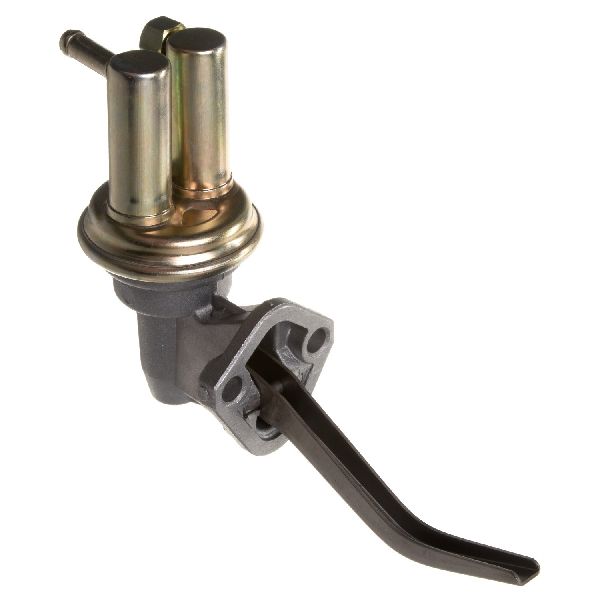
OEM Part Numbers: C80E-9350-A C5AE-9350-D
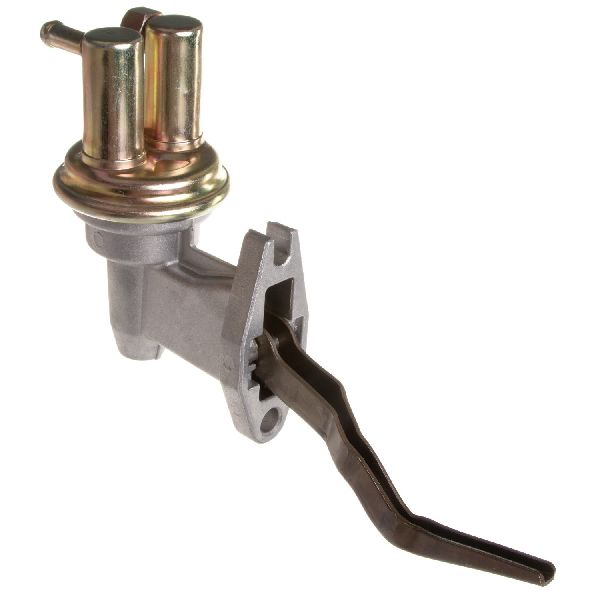
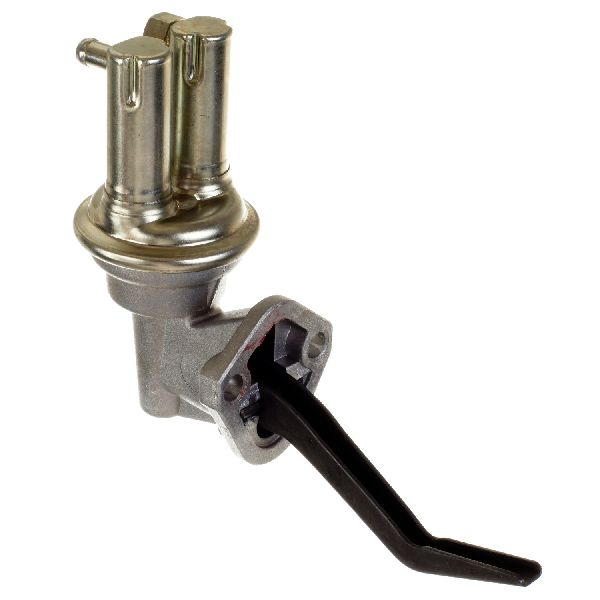
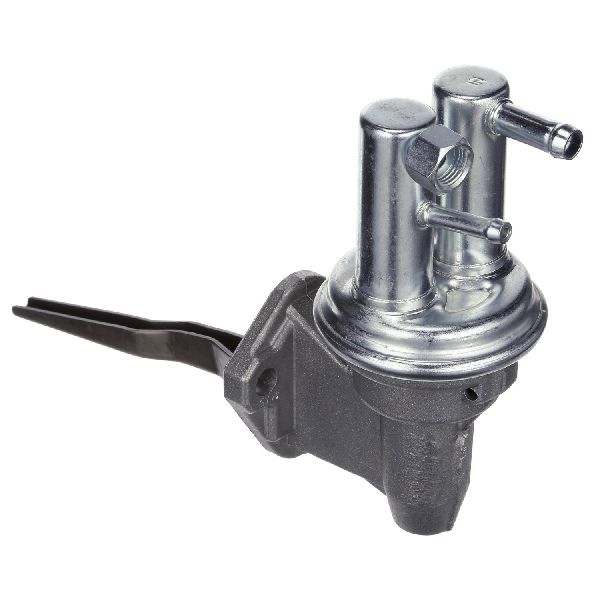
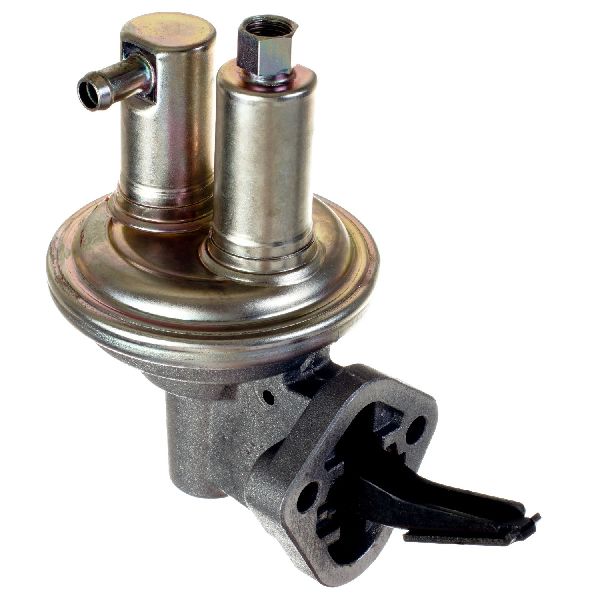
Pump Type: Mechanical, Camshaft-driven Mounting: 2-Bolt Engine Block Mount Standard Pressure Range: 5-8 PSI Standard Flow Rate: 25-40 GPH Inlet/Outlet: Varies by engine and pump model, typically threaded fittings.
We Have This Part in Stock

The information in this article is provided for general reference and educational purposes only. Vehicle specifications, procedures, and part compatibility can vary by production date, trim level, and region. Always consult your vehicle's factory service manual and verify part numbers before purchasing or performing repairs. Safety-critical components such as airbags, seat belts, and braking systems should be installed by a qualified professional.
- 🎬 Helpful Videos
- 🛍️ Shop This Part
- Is Your Torino's Fuel Pump Failing?
- Critical Warning: Check for Leaks
- Choosing the Right Aftermarket Fuel Pump: A Tiered Guide
- Performance Tier: For Modified Engines
- OE-Style Tier: For Stock Vehicles
- Economy Tier: Budget-Friendly Options
- Aftermarket Recall Notice: NHTSA 07E-064
- How Much Does a New Fuel Pump Cost for a 1968-1976 Torino?
- Frequently Asked Questions
- 🎟️ Get 5% Off