

A Practical Guide to Spark Plug Wires for the 1968-1976 Mercury Montego
Restore your classic Montego's ignition performance by choosing the right spark plug wire set for your specific engine.
- You must identify your Montego's specific engine (e.g., 302, 351W, 351C) before ordering, as wire sets are not interchangeable.
- Symptoms of failure include rough idle, misfires, and hesitation; visible cracks or burns on the wires are a sure sign they need replacement.
- For reliability, choose an OEM-style set from Motorcraft or NGK. For enhanced durability and performance, consider an 8mm or 8.5mm set from MSD or Taylor.
- Always replace wires one at a time to avoid mixing up the firing order, which is crucial for proper engine operation.
Is It Time for New Spark Plug Wires?
After decades of service, your Montego's original spark plug wires are likely worn out. The insulation becomes brittle and cracked, and the internal conductor breaks down. This causes the electrical energy to weaken or leak before it reaches the spark plug. If you're experiencing poor engine performance, a new set of wires is a simple and effective way to restore power and reliability.
Symptoms of Failing Spark Plug Wires
Bad spark plug wires can cause a variety of frustrating engine problems. Look out for these common signs:
- Rough Idle: The engine may shake or vibrate noticeably when the car is stopped. This happens because inconsistent spark causes uneven combustion in the cylinders.
- Engine Misfires: You might feel a stumble, jerk, or hesitation from the engine, especially under load. A misfire means a cylinder failed to fire correctly, often due to a weak or missing spark.
- Hesitation on Acceleration: When you press the gas pedal, the car may lag or stumble before picking up speed. This can be caused by degraded wires that can't deliver consistent spark under demand.
- Difficulty Starting: Worn wires deliver a weak spark, making it harder for the engine to start, especially when cold.
- Visible Damage: Pop the hood and inspect the wires. Any signs of cracking, melting, burning, or chalky residue on the wire jackets mean they need immediate replacement.
Critical First Step: Identify Your Engine!
The 1968-1976 Mercury Montego was available with many different engines, from inline-6s to a wide variety of V8s (like the 302, 351W, 351C, 429, and 460). Spark plug wire sets are specific to each engine family. A set for a 351 Windsor will not fit a 351 Cleveland. Before ordering, confirm your engine size and type to ensure you get the correct part.
Choosing the Right Aftermarket Spark Plug Wires
For a vehicle of this era, aftermarket parts are the most common and practical choice. They often feature modern technology that improves upon the original 1960s and 70s designs. Here’s how the available brands stack up.
Brand Tiers & Quality
| Tier | Brands | Best For |
|---|---|---|
| OEM-Equivalent / Daily Driver | Motorcraft, NGK, Denso, Standard Wires | Owners looking for reliable, stock-level performance and a perfect fit. Motorcraft is the original Ford brand and is an excellent choice for maintaining factory performance. NGK is also known for high-quality OEM-style wires. |
| Performance Upgrade | MSD, Taylor Cable, Ford Performance | Enthusiasts seeking improved spark delivery and durability. These brands often use thicker 8mm or 8.5mm silicone jackets and low-resistance spiral cores. This provides better heat protection and more spark energy, which is great for modified engines or just for added peace of mind. |
| Value-Oriented Performance | Accel, Walker Products | Hobbyists on a budget who still want a performance-style wire. Accel is a well-known name, but some users report mixed experiences with long-term durability compared to MSD or Taylor. |
Pro Tip: Replace Wires One at a Time
To avoid mixing up the engine's firing order, replace only one spark plug wire at a time. Remove the old wire, match its length to a new one from the set, and install the new wire in the same location on the distributor cap and spark plug. Then, move on to the next one. This simple trick prevents a major headache.
Frequently Asked Questions
What's the difference between 7mm, 8mm, and 8.5mm wires?
The measurement refers to the outer diameter of the wire. A thicker wire, like an 8mm or 8.5mm, has more insulation than a stock 7mm wire. This provides better protection against heat from the engine and exhaust manifolds and helps prevent spark from arcing to ground before it reaches the plug. Upgrading to a thicker wire is a good idea, especially if you have aftermarket headers.
Are expensive performance wires worth it for my stock Montego?
For a stock or lightly modified engine, a quality OEM-equivalent set from a brand like Motorcraft or NGK is perfectly adequate. However, performance wires from brands like MSD or Taylor offer benefits like superior heat resistance and potentially more consistent spark delivery due to their low-resistance cores. Given the small price difference in many cases, they can be a worthwhile upgrade for durability alone.
Do I need special tools to replace my spark plug wires?
No, special tools are generally not required. A good pair of spark plug wire pullers can make it easier to remove the boots without damaging them, but it's not essential. If you choose a universal "cut-to-fit" wire set, you will also need a wire stripping and crimping tool designed for spark plug terminals.
Are there any recalls for the spark plug wires on my Montego?
No. A search of the National Highway Traffic Safety Administration (NHTSA) database shows no recalls related to spark plug wires for the 1968-1976 Mercury Montego. This is a standard maintenance part that wears out with age and use.
Technical Specifications
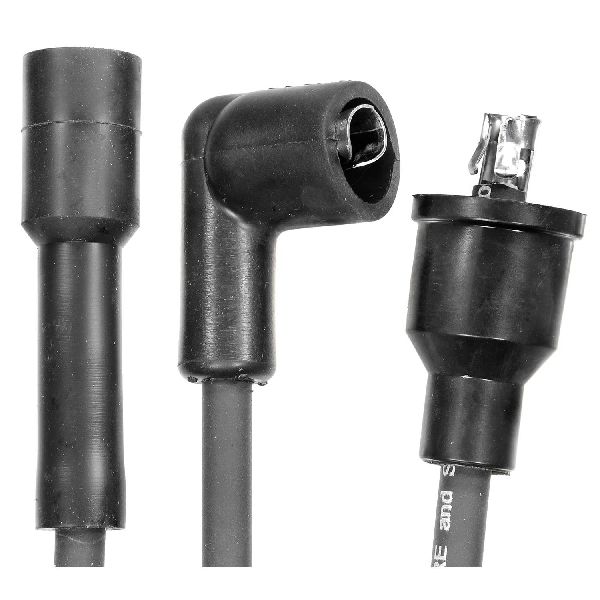
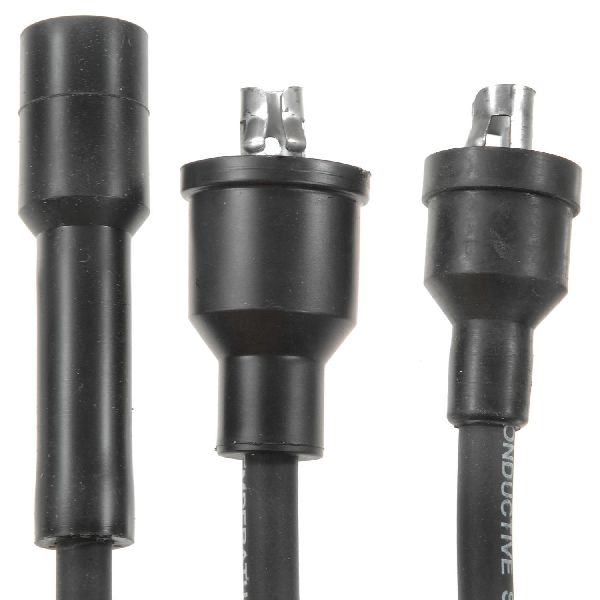
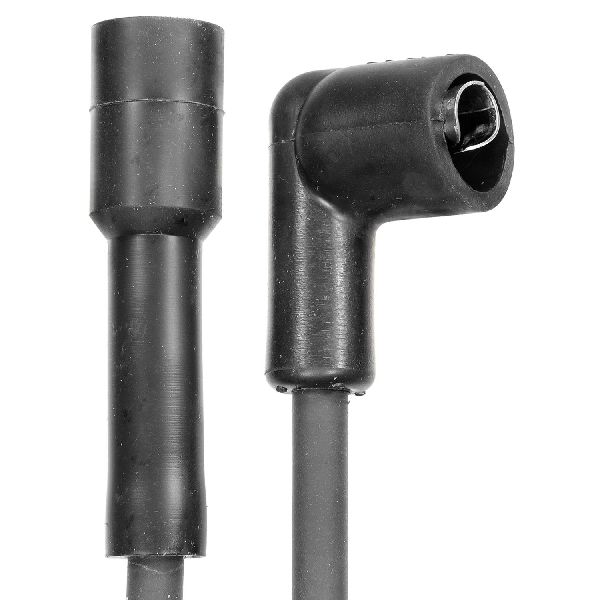
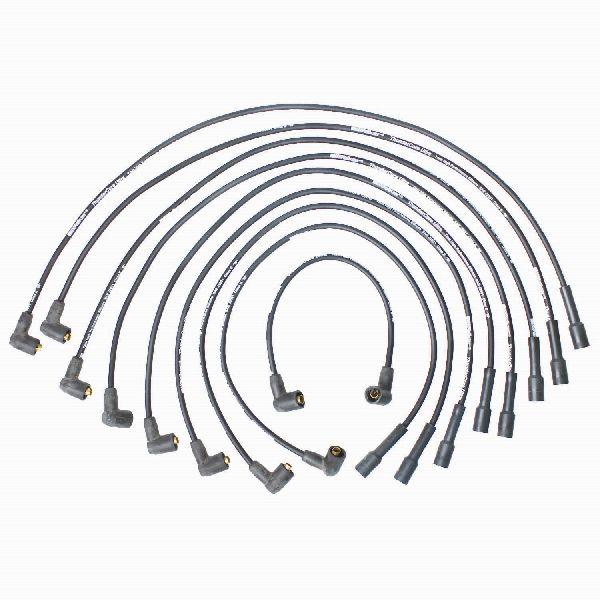
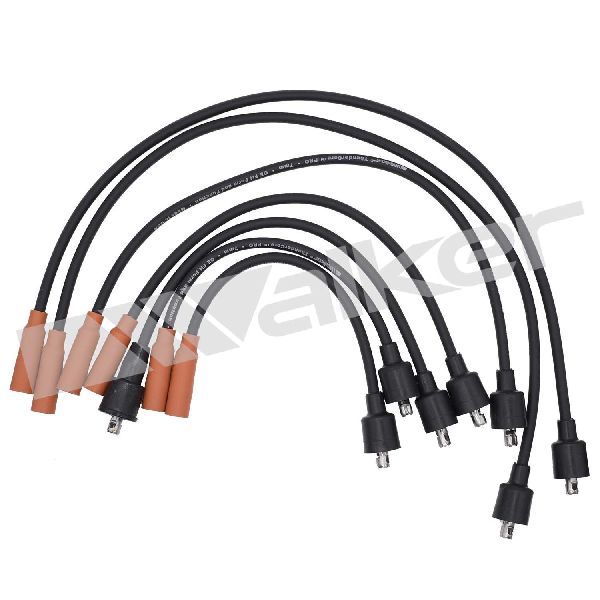
Key specifications vary by engine. Important factors include wire diameter (typically 7mm for stock, 8mm+ for performance), core material (carbon core for original style, spiral wound for performance), and boot angle (straight vs. 90-degree) for both the spark plug and distributor ends.
We Have This Part in Stock

The information in this article is provided for general reference and educational purposes only. Vehicle specifications, procedures, and part compatibility can vary by production date, trim level, and region. Always consult your vehicle's factory service manual and verify part numbers before purchasing or performing repairs. Safety-critical components such as airbags, seat belts, and braking systems should be installed by a qualified professional.