

Guide to the Automatic Transmission Mount for 1968-1977 Cadillac DeVille
If you hear a clunk or feel a vibration when shifting your DeVille, the transmission mount could be the culprit.
- A clunking noise when shifting is the most common sign of a failed transmission mount on a DeVille.
- Aftermarket brands like Anchor, DEA, and Pioneer are the most common and affordable replacement options.
- This is a DIY-friendly repair for those with basic tools and safety equipment like jack stands.
- Always inspect the engine mounts at the same time, as they often wear out together.
Symptoms of a Failing Transmission Mount
The original transmission mounts on these Cadillacs are over 40 years old. The rubber can dry out, crack, and separate from the metal. When this happens, you will likely notice some clear signs. A bad mount can no longer hold the transmission securely, leading to problems you can feel and hear.
- Clunking Noises: The most common symptom is a loud clunk or bang when you shift from Park into Reverse or Drive. This is the sound of the transmission lifting and hitting the underside of the car because the mount is no longer holding it down.
- Excessive Vibrations: You might feel new or worsening vibrations through the floor or your seat, especially when the car is idling in gear or during acceleration. This happens because the failed rubber can no longer absorb the normal vibrations from the engine and transmission.
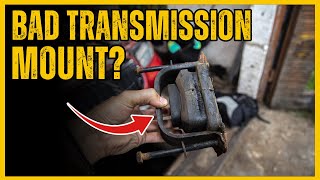
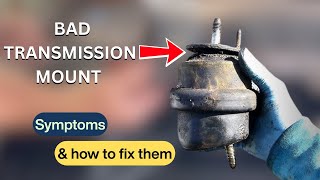
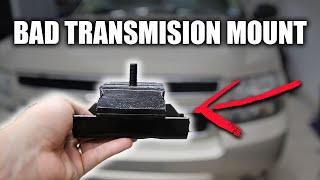
- Drivetrain Movement: A completely failed mount can allow the entire engine and transmission assembly to move excessively. You can sometimes see this by having someone shift the car into gear (with the brake held firmly) while you safely observe the engine bay. Any large lurching or lifting motion points to a bad mount. 🎬 Watch: 5 signs to help you diagnose your mount for good.
Is it Safe to Drive?
Driving with a bad transmission mount is not recommended for long. While the car may still move, the excessive movement can put stress on other parts like the engine mounts, driveshaft, and exhaust system. In severe cases, it can affect vehicle control. It's best to get it replaced soon.
Choosing the Right Aftermarket Mount
Since these Cadillacs are vintage, finding a new OEM (Original Equipment Manufacturer) part from GM is highly unlikely. The market for these vehicles is served by aftermarket companies. For a simple part like a transmission mount, aftermarket options are generally considered a practical and affordable choice. The available brands like Anchor, DEA, and Pioneer offer standard replacement-grade parts that will restore function.
- Standard Replacement Brands (Anchor, DEA, Pioneer): These brands produce mounts that meet the basic requirements for fit and function. Forum discussions show mixed but generally acceptable experiences for standard-duty cars. Some users report these mounts look cosmetically different from original parts but perform adequately. Given the low cost, they are a common choice for drivers looking to solve symptoms like clunking and vibration without a major investment.
Pro Tip: Check Your Engine Mounts Too
The transmission mount works together with the engine mounts to secure the entire drivetrain. If your transmission mount has failed, there's a good chance your engine mounts are also worn out. It's a good practice to inspect all mounts at the same time. Replacing them together can save you from doing a similar job twice and ensures the entire system is stable.
Cost to Replace a Cadillac DeVille Transmission Mount
Replacing the transmission mount on a 1968-1977 DeVille is one of the more affordable repairs. The part itself is inexpensive, and the labor is straightforward for a mechanic familiar with older rear-wheel-drive cars.
| Item | Estimated Cost |
|---|---|
| New Aftermarket Mount | $20 - $35 |
| Shop Labor | $100 - $200 |
| Total Estimated Cost | $120 - $235 |
Note: Costs are estimates and can vary based on your location and the specific shop's labor rates.
Frequently Asked Questions
How do I know for sure my transmission mount is bad?
A visual inspection is the best way. Safely raise the vehicle and support it on jack stands. The transmission mount is located at the rear of the transmission where it bolts to a frame crossmember. Look for cracks, splits, or total separation in the rubber. You can also use a pry bar to gently check for excessive movement between the transmission and the crossmember. If the rubber is torn or the transmission moves up and down easily, the mount needs replacement.
🎬 Watch: How to identify a bad mount and fix it yourself.Is replacing the transmission mount a DIY job?
Yes, for someone with basic mechanical skills and the right tools, this is a feasible DIY project. The process involves supporting the transmission with a floor jack, unbolting the crossmember, removing the old mount, and installing the new one. Always use jack stands for safety when working under a vehicle.
Will a bad transmission mount cause shifting problems?
Generally, no. A bad mount itself won't cause the transmission to slip or fail internally. However, on older vehicles like the DeVille, severe movement could potentially affect the mechanical shift linkage, leading to imprecise gear selection. The most common issues are noises and vibrations, not poor shifting performance.
Are there any recalls for the transmission mount on a '68-'77 DeVille?
No. Searches of the National Highway Traffic Safety Administration (NHTSA) database and for Technical Service Bulletins (TSBs) did not show any specific recalls or widespread service campaigns for the transmission mount on this generation of Cadillac DeVille. This is not unusual for a vehicle of this age.
Helpful Videos
Technical Specifications
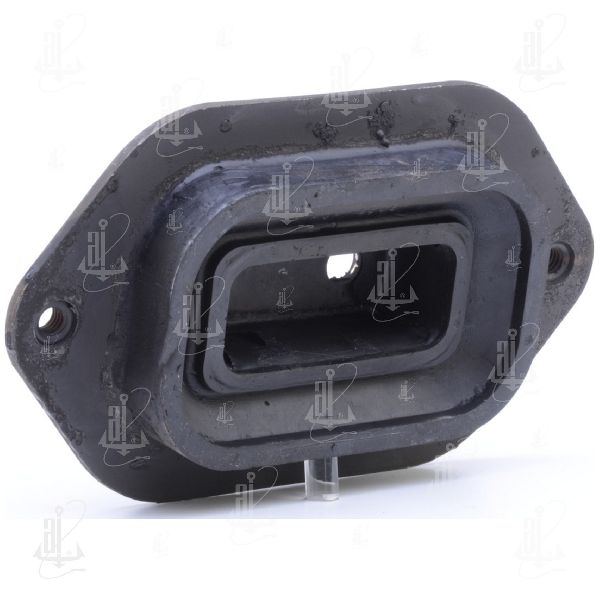
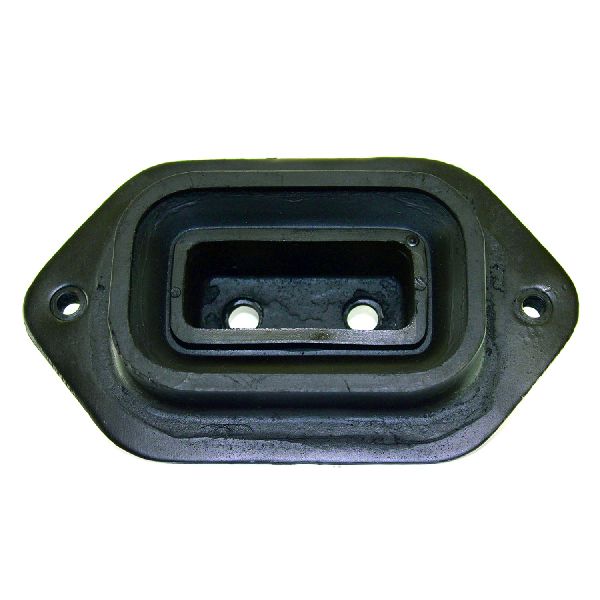
Standard rear-wheel-drive transmission mount, typically a single-stud design with a two-bolt base that attaches to the transmission crossmember. Fits GM TH-400 automatic transmissions.
We Have This Part in Stock


The information in this article is provided for general reference and educational purposes only. Vehicle specifications, procedures, and part compatibility can vary by production date, trim level, and region. Always consult your vehicle's factory service manual and verify part numbers before purchasing or performing repairs. Safety-critical components such as airbags, seat belts, and braking systems should be installed by a qualified professional.