

Accessory Drive Belt Guide for 1968-1978 Dodge Dart
Keep your classic Dart's accessories running smoothly by understanding its V-belt system.
- Your 1968-1978 Dart uses a multiple V-belt system, not a single serpentine belt.
- Confirm your engine size and accessories (A/C, power steering) before ordering to ensure you get the correct belts.
- It is highly recommended to replace all belts at the same time for reliability.
- Top aftermarket brands like Gates, Dayco, and Continental offer excellent quality and durability for this vehicle.
Understanding Your Dart's V-Belt System
The 1968-1978 Dodge Dart does not use a single serpentine belt found on modern vehicles. Instead, it has a system of two to four individual V-belts. One belt might drive the alternator and water pump, while a separate belt runs the power steering pump, and another for the air conditioning. Because of the various engine options (like the Slant-6 and V8s) and accessory configurations (with or without A/C and power steering), it is crucial to identify your specific setup before buying replacements. Ordering the wrong length or width is the most common mistake.
Signs of a Failing Accessory Drive Belt
A failing V-belt provides several warning signs. Ignoring them can lead to a breakdown, engine overheating, or loss of vehicle control.
- Squealing Noises: This is the most common symptom, especially on startup or under heavy load. It's caused by the belt slipping on the pulleys due to wear, improper tension, or contamination.
- Visible Wear: Inspect your belts for cracks, fraying, glazing (a shiny, hardened surface), or splitting. If the sides of the belt look worn and it sits low in the pulley groove, it's time for a replacement.
- Accessory Malfunctions: If your battery isn't charging (dimming lights), the engine temperature rises quickly, or steering becomes difficult, a belt may have failed.
- Vibrations: Worn or improperly tensioned belts can cause noticeable vibrations from the engine bay.
Known Issues for This Vehicle
For the 1968-1978 Dodge Dart, there are no specific recalls or Technical Service Bulletins (TSBs) from the manufacturer regarding drive belts, which is expected for a vehicle of this age. The primary "issue" reported by owners in forums is confusion over correct belt routing and length, especially after engine swaps or accessory modifications. Incorrect routing or tension is the number one cause of premature belt failure and noise. It's also critical to inspect the pulleys; worn or damaged pulley grooves will destroy a new belt quickly.
Choosing the Right Aftermarket Belts
For a classic car like the Dart, New Old Stock (NOS) OEM belts are practically nonexistent and unnecessary. Modern aftermarket belts from reputable brands offer superior technology and materials compared to the originals. The key is selecting the correct belts for your specific engine and accessories.
The brands available in our inventory—Continental, Dayco, and Gates—are all considered top-tier choices by mechanics and classic car enthusiasts.
- Gates: Often cited as a benchmark for quality and durability. Many DIY mechanics prefer Gates for their reliability and reduced stretching over time.
- Dayco: A major OEM supplier and a solid aftermarket choice. They are known for producing durable, quiet belts that perform comparably to other premium brands.
- Continental: This brand, which now produces the belts formerly known as Goodyear Gatorback, is highly regarded for its quality and quiet operation.
Pro Tip: When one belt needs replacement, it's best practice to replace all of them at the same time. Since they share a similar service life, the others are likely not far from failing. This saves you from doing the same job multiple times.
Estimated Cost for Accessory Drive Belts (1968-1978 Dodge Dart)
| Part/Service | Estimated Cost |
|---|---|
| New Aftermarket Belts (Set of 2-4) | $15 - $80 |
| Shop Labor | $75 - $150 |
| Total Estimated Cost | $90 - $230 |
Frequently Asked Questions
How many drive belts does my 1968-1978 Dart have?
It depends on your engine and accessories. A base model with no power steering or A/C might only have one or two belts. A fully-optioned V8 with power steering and air conditioning could have three or four separate V-belts. You must visually inspect your engine to confirm the number and routing of the belts.
Can I replace the belts myself?
Yes, this is a very DIY-friendly job on a classic Dart. Access is generally good, and the tensioning mechanism is straightforward, usually involving loosening a component like the alternator, moving it to release tension, and then re-tightening it after the new belt is on. Basic hand tools are all that's required.
What is the difference between a V-belt and a serpentine belt?
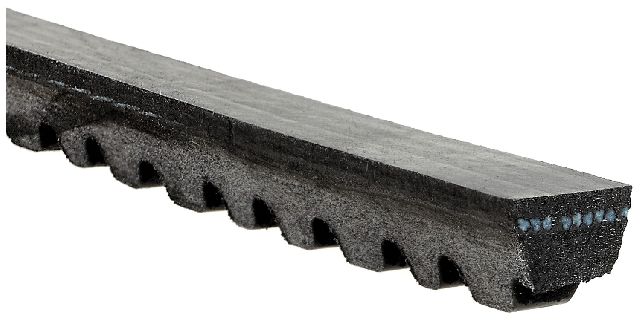
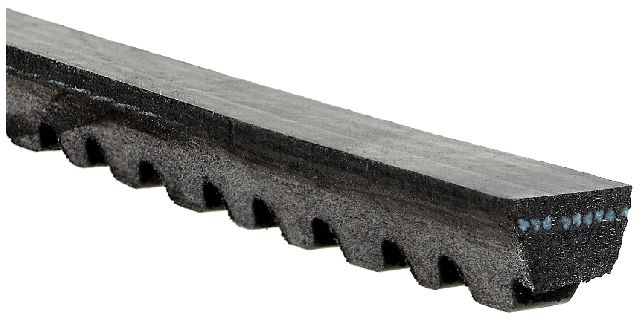
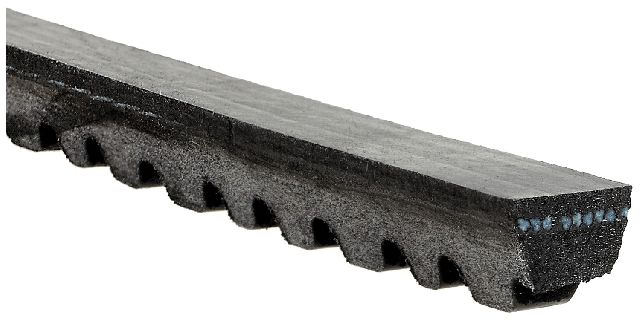
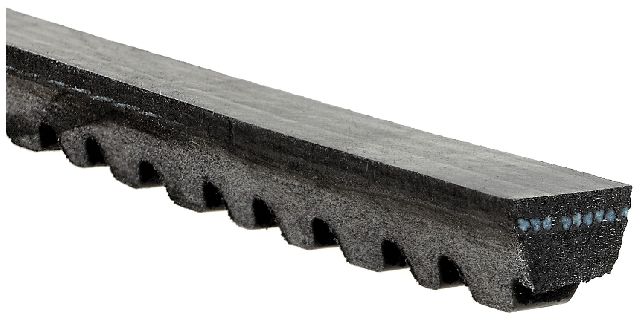
A V-belt has a trapezoidal (V) shape and sits in a matching groove on a pulley. Classic cars like the Dart use multiple V-belts to drive accessories individually or in small groups. A serpentine belt is a single, flat, ribbed belt that winds its way around all the engine accessories, using a spring-loaded tensioner. Your Dart uses V-belts exclusively.
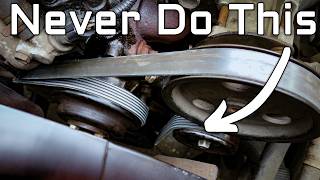
🎬 Learn how modern serpentine belt systems differ from your Dart.How do I know which belts to order?
The best way is to identify the numbers on your existing belts. If they are unreadable, you will need to know your Dart's year, engine size (e.g., 225 Slant-6, 318 V8), and what accessories it has (A/C, power steering). Using this information to look up parts is the most reliable method. Some owners measure the outside circumference of the old belts if part numbers are unavailable.
Helpful Videos
Technical Specifications
System Type: Multiple V-Belts. The specific quantity, length, and width of the belts depend entirely on the engine (Slant-6 or V8) and the installed accessories (alternator, power steering, air conditioning). There is no single part number for all applications.
We Have This Part in Stock

The information in this article is provided for general reference and educational purposes only. Vehicle specifications, procedures, and part compatibility can vary by production date, trim level, and region. Always consult your vehicle's factory service manual and verify part numbers before purchasing or performing repairs. Safety-critical components such as airbags, seat belts, and braking systems should be installed by a qualified professional.