

Dodge Monaco Engine Coolant Bypass Hose: A Comprehensive Guide (1968-1979)
Everything you need to know about replacing the small but critical coolant bypass hose on your classic Dodge Monaco.
- This hose is critical for preventing engine hot spots during warm-up; do not block or remove it.
- Failure is due to age. Inspect the hose for cracks, swelling, or softness and replace it preventatively.
- Aftermarket hoses from Gates, Dayco, or Continental are all reliable choices for this vehicle.
- A burst hose can cause rapid overheating. If your temperature gauge spikes, pull over immediately.
Signs of a Failing Coolant Bypass Hose
Like all rubber components, the coolant bypass hose degrades over time due to constant heat cycles and pressure. A failure can be sudden and lead to rapid coolant loss. Watch for these warning signs:
- Coolant Leaks: Puddles of green, orange, or yellow fluid under the front of your engine are a clear sign of a leak. Because the bypass hose is small, the leak may start as a slow drip from either the water pump or intake manifold connection.
- Sweet Smell: If you notice a distinct sweet smell coming from the engine bay after a drive, it's likely coolant burning off on the hot engine block. This can happen even with a small leak you can't see.
- Visible Damage: Inspect the hose for cracks, swelling, or a soft, spongy feel. Any visible damage means the hose is compromised and should be replaced immediately. Some owners on Mopar forums have reported these hoses splitting suddenly under high RPM.
- Engine Overheating: A significant leak from a burst bypass hose will cause a rapid loss of coolant, leading to the temperature gauge climbing quickly. If this happens, pull over immediately to prevent severe engine damage.
Choosing the Right Aftermarket Hose
For a vehicle from the 1968-1979 model years, finding a New Old Stock (NOS) Mopar hose is nearly impossible and would be very expensive. Aftermarket brands are the go-to choice and offer excellent quality. The three most common brands are Gates, Dayco, and Continental.
| Brand Tier | Brands | General Assessment |
|---|---|---|
| Premium Choice | Gates | Often considered a top-tier choice by mechanics and enthusiasts. Gates is known for excellent fitment on American vehicles and is sometimes the original equipment manufacturer (OEM). They generally have a strong reputation for durability. |
| Quality Alternative | Dayco, Continental | Both Dayco and Continental are reputable manufacturers that produce reliable coolant hoses. While some users have occasional fitment issues with any aftermarket brand, both are considered a safe and durable choice for your Monaco. The quality difference between these and Gates is often minimal for a standard hose. |
Pro Tip: When replacing the hose, also get new hose clamps. Spring-style clamps are often preferred over worm-gear clamps because they provide even, 360-degree pressure as the hose material expands and contracts with heat.
Frequently Asked Questions (FAQ)
What engines use this bypass hose on the Dodge Monaco?
This hose is typically found on Mopar small block (like the 318 and 360 V8) and big block (like the 383 and 440 V8) engines common in the 1968-1979 Dodge Monaco. It is a standard part of the cooling system design for these classic Chrysler powerplants.
Can I use a generic piece of hose instead of a molded one?
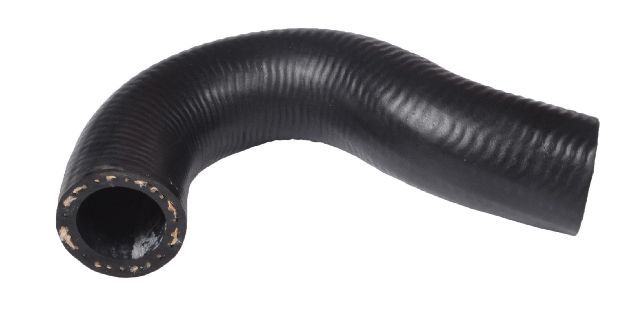
While some have used a straight piece of universal hose in a pinch, it is highly recommended to use the correct pre-molded bypass hose. The molded hose is designed to handle the specific bends without kinking, which would restrict coolant flow and defeat its purpose.
Are there any recalls or TSBs for the Dodge Monaco coolant bypass hose?
No. There are no official recalls or Technical Service Bulletins (TSBs) from Dodge or the NHTSA specifically for the engine coolant bypass hose on the 1968-1979 Dodge Monaco. Failures are due to the age and wear of the rubber part, not a manufacturing defect.
How often should I replace my coolant hoses?
For a classic car like the Monaco, it's good practice to inspect all coolant hoses annually. As a preventative measure, replacing all coolant hoses, including the bypass hose, every 5-7 years is a wise investment to prevent being stranded by a sudden failure.
Technical Specifications
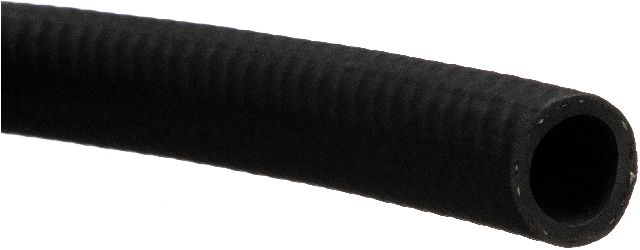
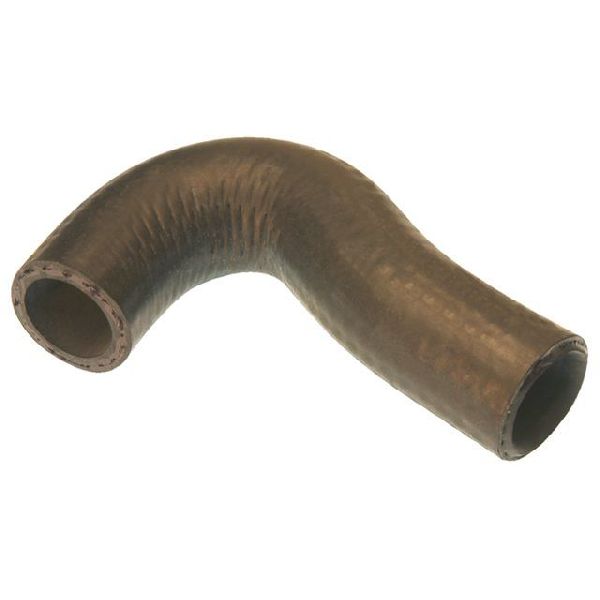
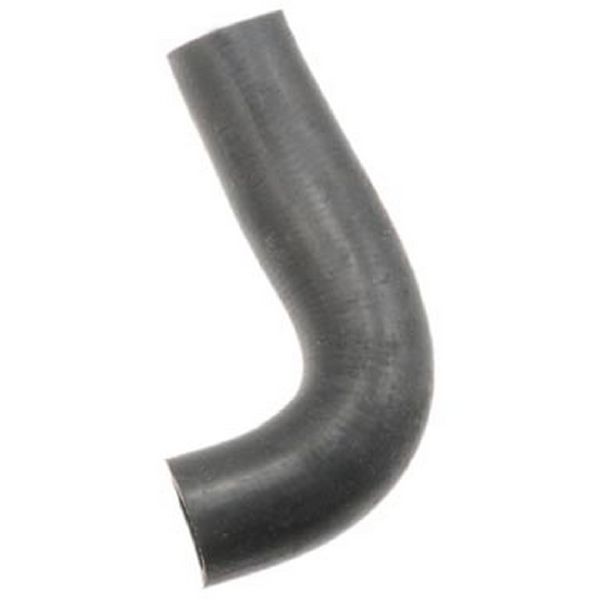
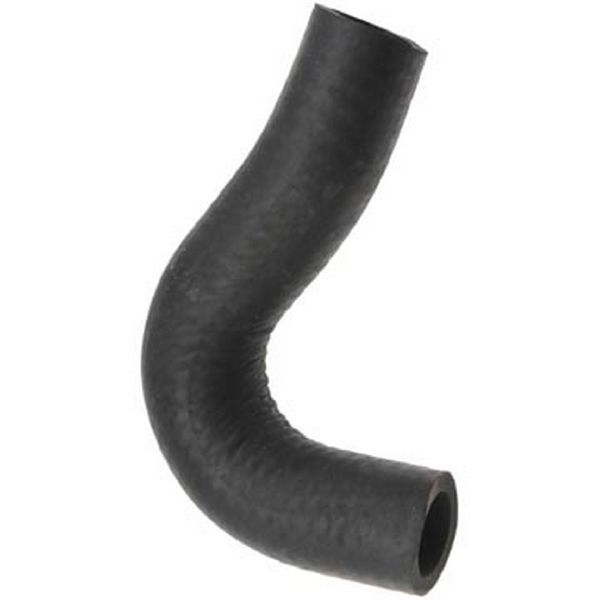
Typically a pre-molded, U-shaped rubber hose with an inner diameter around 1 inch, connecting the water pump housing to the engine intake manifold.
We Have This Part in Stock

The information in this article is provided for general reference and educational purposes only. Vehicle specifications, procedures, and part compatibility can vary by production date, trim level, and region. Always consult your vehicle's factory service manual and verify part numbers before purchasing or performing repairs. Safety-critical components such as airbags, seat belts, and braking systems should be installed by a qualified professional.