

Ford Ranchero Ignition Switch Guide: 1968-1979 Models
Solve starting problems and engine stalling by understanding and replacing your Ranchero's ignition switch.
- A failing ignition switch can cause dangerous stalling while driving and should be replaced immediately.
- Symptoms often include a no-start condition, slow cranking, or intermittent power to accessories.
- The ignition switch is a separate electrical part from the mechanical lock cylinder where your key goes.
- Replacement is a straightforward DIY job that involves lowering the steering column for access.
Is Your Ranchero's Ignition Switch Failing?
On a classic vehicle like the 1968-1979 Ford Ranchero, the ignition switch can wear out from decades of use. The internal electrical contacts can become corroded or worn, leading to a range of frustrating and intermittent electrical problems. Unlike a bad battery that simply dies, a failing ignition switch can cause symptoms that come and go, making it difficult to diagnose. Recognizing these signs early can prevent you from getting stranded.
Common Failure Symptoms
- Engine Won't Crank: You turn the key and get nothing—no click and no crank. 🎬 Watch: How to diagnose a no-crank condition from the switch. The switch is failing to send the signal to the starter solenoid.
- Engine Stalls While Driving: This is a serious symptom. A faulty switch can momentarily lose connection while you're on the road, cutting power to the ignition and fuel systems and causing the engine to shut off.
- Slow Cranking Speed: Even with a fully charged battery and a good starter, the engine may turn over very slowly. This can be caused by high resistance inside a worn-out ignition switch, which reduces the power getting to the starter.
- Intermittent Power to Accessories: Your radio, dashboard lights, or heater blower may flicker or stop working randomly. This happens when the switch fails to maintain a solid connection for the accessory circuits.
- Key Doesn't Spring Back from 'Start': A common issue on older Fords is the key mechanism not returning to the 'Run' position after starting. While often related to the mechanical lock cylinder, it can be linked to the ignition switch assembly.
Pro Tip: Switch vs. Lock Cylinder
Many owners confuse the ignition lock cylinder (where the key goes) with the ignition switch (the electrical part). If your key is hard to turn or gets stuck, the problem is likely the mechanical lock cylinder. If you have electrical issues like stalling or a no-start condition, the ignition switch is a more likely culprit. The two parts are connected by an actuator rod inside the steering column.
Choosing the Right Aftermarket Ignition Switch
For a vehicle of this age, finding a New Old Stock (NOS) Ford part is nearly impossible. The aftermarket is your primary source. Quality is important, as a cheap switch can fail prematurely.
Brand Quality Tiers
- Premium Aftermarket (Standard Ignition): Standard Motor Products (SMP) is a well-respected brand in the classic car community. Forum members and mechanics often recommend their parts for reliability, noting they meet or exceed original specifications. Their premium 'Blue Streak' line is considered top-of-the-line, but their standard parts are also known for good quality.
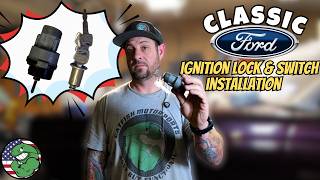
- Standard Aftermarket (Rostra Powertrain): Rostra is a large manufacturer of OE and aftermarket electronic components. They state their parts use quality materials like copper alloy conductors and are 100% tested for reliability. While not having the same level of specific praise in classic Ford forums as Standard, Rostra offers a direct-fit replacement that serves as a reliable stock alternative. 🎬 See this easy walkthrough for installing a classic Ford switch.
| Brand Tier | Typical Price Range |
|---|---|
| Standard Aftermarket (Rostra) | $20 - $40 |
| Premium Aftermarket (Standard Ignition) | $35 - $60 |
Frequently Asked Questions (FAQ)
Is replacing the ignition switch a difficult job?
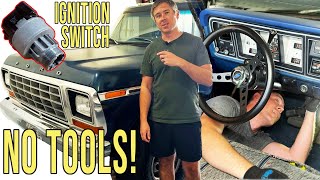
For a 1968-1979 Ranchero, this is a very DIY-friendly job. It typically requires lowering the steering column by unbolting it from the dash 🎬 Watch: Step-by-step ignition switch replacement on a late '70s Ford. to get access to the switch on top of the column. Most people with basic hand tools can complete the job in about an hour. Always disconnect the battery before starting any electrical work.
My key turns but nothing happens. Is it the switch or the starter solenoid?
It could be either. A classic symptom of a bad fender-mounted starter solenoid is a single, loud 'CLICK' from the engine bay when you turn the key. If you hear no sound at all, the ignition switch is a strong possibility, as it's failing to send the initial signal to the solenoid.
Are there any recalls for the ignition switch on my Ranchero?
No, searches of the National Highway Traffic Safety Administration (NHTSA) database show no specific recalls for the ignition switch on 1968-1979 Ford Ranchero models.
Do I need a new key when I replace the ignition switch?
No. The ignition switch is a separate electrical part and does not use a key. Your original key will continue to work in the existing ignition lock cylinder.
Helpful Videos
Technical Specifications
OEM Part Numbers: D20Z11572A
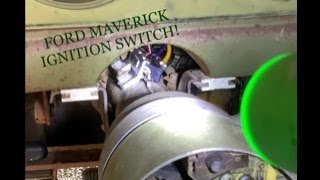
Located on top of the steering column, activated by a rod connected to the lock cylinder.
We Have This Part in Stock


The information in this article is provided for general reference and educational purposes only. Vehicle specifications, procedures, and part compatibility can vary by production date, trim level, and region. Always consult your vehicle's factory service manual and verify part numbers before purchasing or performing repairs. Safety-critical components such as airbags, seat belts, and braking systems should be installed by a qualified professional.