

Ford Ranchero Starter Solenoid Guide: 1968-1979 Models
Solve common starting problems like clicking or no-crank conditions in your classic Ford Ranchero.
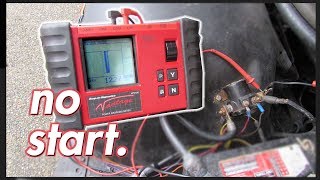
- A single 'click' with no crank is the most common symptom of a failing solenoid on a Ranchero.
- This is a very easy and inexpensive DIY repair, with the solenoid located conveniently on the inner fender for most engines.
- Before replacing, always check that your battery is charged and all cable connections are clean and tight, as this can mimic a bad solenoid.
- A new, quality aftermarket solenoid can help solve common classic Ford 'hot start' problems, where the car won't start after it's warmed up.
Is Your Ranchero's Starter Solenoid Failing?
A bad starter solenoid is a common reason a classic Ford won't start. Because these vehicles are now decades old, the original solenoids can fail from age, heat, and corrosion. Being aware of the symptoms can save you from being stranded.
Common Symptoms of a Bad Solenoid:
- Single Loud Click: The most classic sign. You turn the key, hear one loud "CLICK" from under the hood, but the engine doesn't crank. This usually means the solenoid is receiving power from the ignition but is failing to close the high-current circuit to the starter.
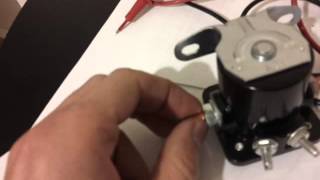
- No Sound at All: You turn the key and get nothing—no click, no crank. This can point to a completely failed solenoid or a problem in the low-current side of the circuit. 🎬 Watch: How to diagnose and understand Ford solenoid operation
- Intermittent Starting: The car starts fine one day but refuses to the next. Wiggling the solenoid or its wires might temporarily fix it. This indicates internal wear or a poor connection that will eventually fail completely.
- Engine Cranks Slowly: While less common, high internal resistance in a failing solenoid can burn the contacts, reducing the power that gets to the starter and causing a slow, weak crank.
Known Issue: The "Hot Start" Problem
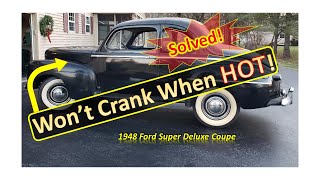
Many classic Fords, including the Ranchero, can suffer from a "hot start" issue. After a long drive, the engine heat soaks into the starter and solenoid, increasing electrical resistance. This can prevent the car from restarting until it cools down. While this can also be caused by the starter or timing, a weak, aging solenoid is often a contributor. 🎬 See how to solve Ford hot start cranking issues Installing a new, high-quality solenoid with better heat resistance can often help solve this frustrating problem.
Choosing a New Aftermarket Solenoid
For a vehicle of this age, finding a "New Old Stock" (NOS) OEM Ford solenoid is nearly impossible and often not practical. The materials in these old parts can degrade over time even when unused. Aftermarket parts are the go-to solution.
A quality aftermarket solenoid from a reputable brand like Standard Ignition is an excellent choice. These parts are made with modern materials and manufacturing techniques. Standard Ignition highlights features like heavy-duty copper contacts and more copper windings, which help reduce resistance, create a stronger magnetic field, and better handle heat—addressing the common failure points of the original design.
Estimated Costs (1968-1979 Ranchero)
| Part Type | Estimated Cost |
|---|---|
| New Aftermarket (e.g., Standard Ignition) | $49.14 - $61.83 |
| Shop Labor | $50 - $125 |
| New OEM | Not Available |
| Used OEM | $15 - $40 (Not Recommended) |
Pro Tip: Check Your Connections First
Before replacing the solenoid, always check your battery. Make sure it's fully charged and the terminals are clean and tight. Then, inspect the thick cables on the solenoid. Corrosion or a loose connection can mimic the symptoms of a bad part and is a free fix. Also, ensure the solenoid's mounting bracket has a clean, paint-free connection to the fender for a proper ground.
Frequently Asked Questions
Is it hard to replace the starter solenoid on a Ranchero?
No, this is one of the easiest repairs you can do. The solenoid is mounted on the inner fender, making it easy to access. The job requires basic hand tools, takes less than an hour, and simply involves disconnecting the battery and swapping the wires to the new part.
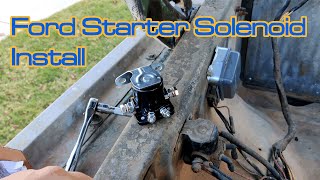
🎬 Watch this easy walkthrough for replacing your Ford solenoidWhat's the difference between the starter solenoid and the starter?
On these Rancheros, they are two separate parts. The solenoid is the small box on the fender that acts as a relay. The starter is the larger, cylindrical motor mounted to the engine block that actually turns the flywheel to start the engine. A bad solenoid clicks, while a bad starter might make a grinding or whirring noise.
My Ranchero has a 429 or 460 engine. Is the solenoid different?
Yes, it might be. While most Ranchero engines used the fender-mounted solenoid system, factory big-block 429 and 460 engines may have used a different "solenoid-actuated" starter, where the solenoid is mounted directly on the starter motor, similar to a GM vehicle. For these specific engines, a fender-mounted solenoid may not be used. Always verify the setup on your specific vehicle.
Will a new solenoid fix my hot start problem?
It can be a major part of the solution. An old, weak solenoid is more susceptible to heat-related failure. A new, high-quality aftermarket solenoid is built to better handle heat and electrical loads, often resolving the issue. However, hot start issues can also be related to the starter motor itself, battery cables, or ignition timing.
Helpful Videos
Technical Specifications
Design: Fender Mounted Relay Voltage: 12V Terminals: Typically 4-Terminal (2 large posts for battery/starter cables, 2 small posts for ignition switch and coil) Aftermarket Part Example: Standard Ignition SS581
We Have This Part in Stock


The information in this article is provided for general reference and educational purposes only. Vehicle specifications, procedures, and part compatibility can vary by production date, trim level, and region. Always consult your vehicle's factory service manual and verify part numbers before purchasing or performing repairs. Safety-critical components such as airbags, seat belts, and braking systems should be installed by a qualified professional.
- 🎬 Helpful Videos
- 🛍️ Shop This Part
- Is Your Ranchero's Starter Solenoid Failing?
- Common Symptoms of a Bad Solenoid:
- Known Issue: The "Hot Start" Problem
- Choosing a New Aftermarket Solenoid
- Estimated Costs (1968-1979 Ranchero)
- Pro Tip: Check Your Connections First
- Frequently Asked Questions
- 🎟️ Get 5% Off