

American Motors AMX Brake Hydraulic Hose Replacement Guide (1968-1980)
Don't let old, weak brake hoses compromise the stopping power of your classic 1968-1980 AMX.
- Brake hoses on a 1968-1980 AMX fail primarily due to age; they degrade from the inside out and should be replaced proactively.
- Symptoms of failure include a spongy pedal, fluid leaks, and the car pulling to one side during braking.
- Always replace brake hoses in pairs (or all at once) to maintain balanced braking.
- Use a flare nut wrench to avoid stripping the fittings, and be prepared to bleed the entire brake system after installation.
Signs of a Failing Brake Hose on Your AMX
On a classic car like the American Motors AMX, rubber components are often the first to fail from age. Brake hoses are no exception, and they can degrade from the inside out, meaning they might look fine on the outside while being dangerously weak internally. It's critical to inspect them regularly and replace them at the first sign of trouble.
Visual Inspection is Key
Look for cracks, blisters, bubbles, or any signs of fluid leakage on the hose's outer surface. A hose that feels overly hard, brittle, or soft and spongy should be replaced immediately. Sometimes, you may need to bend the hose slightly to see fine cracks in the outer rubber skin.
Common symptoms include:
- Spongy or Soft Brake Pedal: This is a classic sign of a hose that is expanding or bulging under pressure instead of transferring that pressure to the brakes. It can also indicate air has entered the system through a leak.
- Brake Fluid Leaks: You might see puddles of clear or light brown, oily fluid on the ground near your wheels or wet stains on the hoses themselves.
- Vehicle Pulling to One Side: An internally collapsed hose can act like a one-way valve, preventing brake fluid from releasing pressure at one wheel. This can cause that brake to drag or the car to pull to one side.
- Brakes Dragging or Sticking: If a hose is restricted internally, it may not allow fluid to return to the master cylinder when you release the pedal, causing the caliper or wheel cylinder to remain partially engaged.
Choosing the Right Aftermarket Brake Hose
For a 1968-1980 AMX, finding a "New Old Stock" (NOS) OEM brake hose is not a practical or safe option. Rubber degrades significantly over decades, even in storage. Modern aftermarket hoses are the correct and safe choice, manufactured to current DOT standards.
Brand Quality & Tiers
When shopping for your AMX, you'll find several brands. While most are made to meet federal safety standards, there are differences in reputation and materials.
- Specialty & Performance (Crown, Stainless Steel): Crown Automotive is well-known for specializing in AMC and Jeep parts. While some of their general parts have mixed reviews, they are a go-to source for many AMC enthusiasts. For a performance upgrade, consider stainless steel braided hoses. They provide a firmer pedal feel because they don't expand under pressure like rubber hoses can.
- Quality Standard Replacement (Centric, Raybestos, Dorman): Brands like Centric, Raybestos, and Dorman are trusted names in the aftermarket. Centric is often praised for its quality and is used by many professional shops. Raybestos is a legacy brand, though some users report their standard hoses are sometimes rebranded parts from other manufacturers like Sunsong. Dorman offers a wide range of parts and is generally considered a reliable choice.
- Economy (Sunsong): Sunsong is a large manufacturer that produces brake hoses for many other well-known brands. While they are often the most budget-friendly option, they are a legitimate manufacturer that produces DOT-approved parts and can offer excellent value.
Typical Costs for New Brake Hoses
| Part Type | Price Range | Notes |
|---|---|---|
| New Aftermarket | $15.78 - $47.46 | This is the standard for replacement. Price varies by brand and material (rubber vs. stainless). |
| New OEM (NOS) | Not Recommended | Extremely rare and unsafe due to the age of the rubber. |
| Shop Labor | $120 - $250 | Includes installation and bleeding the brake system. |
Frequently Asked Questions
Should I replace all my brake hoses at once?
Yes. If one hose has failed due to age, the others are likely in similar condition. Rubber hoses deteriorate at about the same rate. Replacing all of them at the same time is the safest approach and ensures balanced brake performance.
What is the difference between rubber and stainless steel braided hoses?
Standard hoses are made of reinforced rubber. Stainless steel braided hoses have a Teflon inner liner covered by a woven braid of stainless steel. This braid prevents the hose from expanding under pressure, resulting in a firmer, more responsive brake pedal. They are a popular upgrade for performance and classic cars.
Do I need special tools for this job?
Yes. You will need a set of flare nut wrenches (also called line wrenches) to loosen and tighten the fittings without rounding them off. You will also need tools to safely lift and support the vehicle, a drain pan, and equipment to bleed the brakes after installation.
How often should I inspect my AMX's brake hoses?
For a classic car that may not be driven daily, a thorough inspection at least once a year is a good practice. Check them any time you have the wheels off for service. Look for the visual signs of aging like cracks, swelling, and leaks.
Technical Specifications
Typically three hoses are required: one for each front wheel and one for the rear axle. Hoses must be DOT approved. Materials can be EPDM rubber or stainless steel braided with a Teflon core.
We Have This Part in Stock
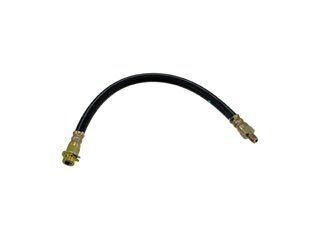
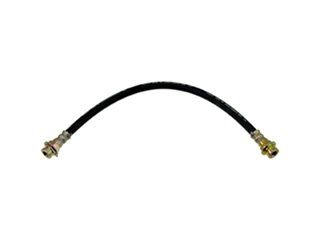

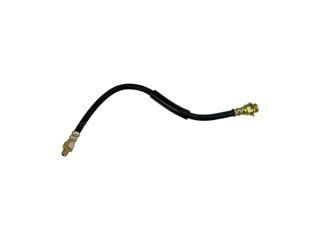

The information in this article is provided for general reference and educational purposes only. Vehicle specifications, procedures, and part compatibility can vary by production date, trim level, and region. Always consult your vehicle's factory service manual and verify part numbers before purchasing or performing repairs. Safety-critical components such as airbags, seat belts, and braking systems should be installed by a qualified professional.