

Ford F-350 Manual Transmission Mount Guide: 1968-1980
Stop the clunking and shaking in your classic Ford F-350 by choosing the right replacement transmission mount.
- A clunking noise on acceleration is the most common symptom of a failed mount on these trucks.
- New OEM Ford mounts are not available; you will be buying an aftermarket part.
- Always inspect your engine mounts at the same time, as they are likely worn if the transmission mount has failed.
- Pioneer is a well-regarded aftermarket brand, while Anchor and Westar are budget options; DEA should be avoided if possible.
Is Your F-350's Transmission Mount Failing?
A bad transmission mount on these older Ford trucks makes itself known through distinct sounds and feelings. Because the original mounts are now 40+ years old, the rubber has likely become hard, cracked, or soaked with oil, making it unable to do its job. If you notice any of these signs, it's time to inspect your mount.
Common Failure Symptoms
- Clunking or Banging Noises: The most common sign is a loud clunk when you accelerate, let off the gas, or shift gears. This is the sound of the transmission moving around and hitting the frame because the mount is no longer holding it securely.
- Excessive Vibration: You might feel a new or stronger vibration through the floor, seat, or shifter. This happens because the worn-out rubber can no longer absorb the normal vibrations from the drivetrain.
- Shifter Movement: Watch your gear shifter when you rev the engine in neutral or accelerate. If the shifter jumps or moves excessively, it's a clear sign the transmission and engine are moving too much, pointing to a bad mount.
Check Your Motor Mounts, Too
The transmission mount works together with the engine mounts to support the entire drivetrain. If the transmission mount has failed, there's a very high chance your engine mounts are also worn out or broken. Replacing only the transmission mount will put extra stress on the new part and cause it to fail prematurely. Always inspect your engine mounts when you check the transmission mount.
Choosing the Right Aftermarket Mount
For a 1968-1980 Ford F-350, finding a new original equipment (OEM) mount from Ford is nearly impossible as they have been discontinued for years. This means you will be buying an aftermarket part. Aftermarket quality can vary, so it's important to know the difference between the available brands.
| Brand Tier | Brands | Quality & Price Assessment |
|---|---|---|
| Better Quality | Pioneer Cable | Often considered a higher-quality aftermarket option. Reviewers note that Pioneer mounts can look and feel very similar to the original factory parts and are a solid choice for a reliable replacement. |
| Standard / Economy | Anchor, Westar | These are budget-friendly brands. Anchor is generally seen as an acceptable, standard replacement; many have used them for years without issues. Some reviews suggest Westar may use thinner metal than Anchor or OEM parts. These are functional but may not last as long as a premium option. |
| Use with Caution | DEA Strut | This brand frequently receives poor reviews in forums. Owners have reported very short lifespans, with some parts failing within a month or even arriving defective. It is generally recommended to avoid this brand if possible. |
Replacement Cost
The cost to replace the manual transmission mount on a 1968-1980 F-350 is reasonable, especially if you do the work yourself. The job is straightforward for a rear-wheel-drive truck.
| Part / Service | Estimated Cost |
|---|---|
| Aftermarket Transmission Mount | $15 - $57 |
| Shop Labor | $100 - $200 |
| Total Estimated Cost | $115 - $257 |
DIY Installation Tips
Replacing the mount is a great job for a home mechanic. You'll need a jack, jack stands, and basic hand tools. The process involves supporting the transmission with a jack and a block of wood, unbolting the crossmember from the frame, unbolting the old mount, and then installing the new one. Be sure to use penetrating oil on all bolts beforehand, as they will likely be rusty. There is no specific torque spec, so tighten the bolts securely.
Frequently Asked Questions
Can I drive with a bad transmission mount?
You can, but you shouldn't for long. Continuing to drive with a broken mount puts extra stress on your engine mounts, driveshaft U-joints, and even the transmission case itself. The excessive movement can cause these other, more expensive parts to fail. It's best to replace it as soon as you confirm it's bad.
Are there any recalls for the F-350 transmission mount?
No. There are no specific recalls or Technical Service Bulletins (TSBs) from Ford or the NHTSA for the manual transmission mount on the 1968-1980 Ford F-350. This is a standard wear-and-tear item.
Is there a difference between a 2WD and 4WD mount?
Yes, there can be differences, especially with the crossmember design. Some 4x4 models, particularly those with divorced transfer cases, may use a different mount or crossmember setup. Always verify that the part you are ordering is correct for your specific truck's drivetrain configuration.
Why is one aftermarket mount $15 and another $50?
The price difference usually comes down to the quality of materials. Cheaper mounts may use lower-grade rubber that wears out faster or thinner metal brackets that can flex or crack. Higher-priced aftermarket mounts from brands like Pioneer often use materials and manufacturing processes that are closer to the original OEM standards, providing better durability and vibration damping.
Technical Specifications
OEM Part Numbers: C5TZ-6068-A
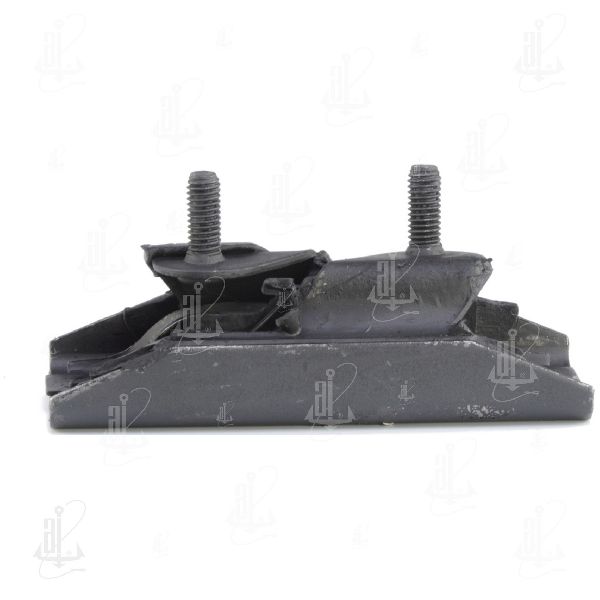
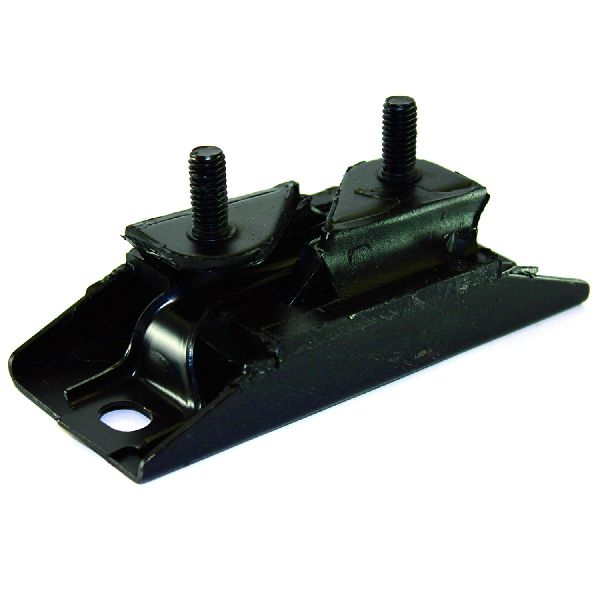
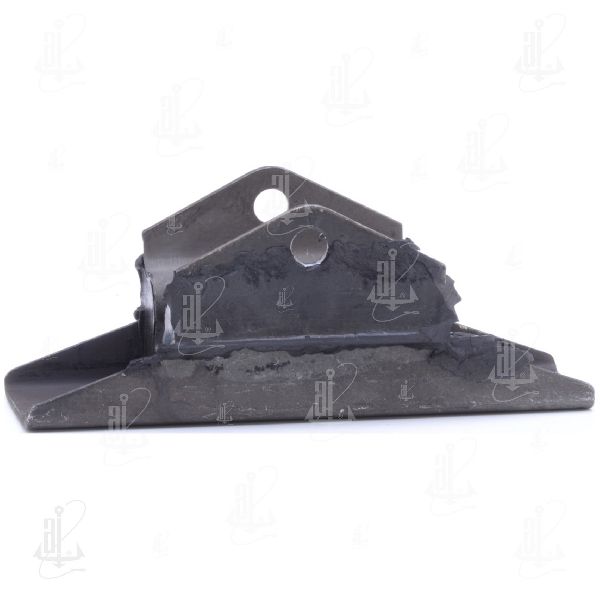
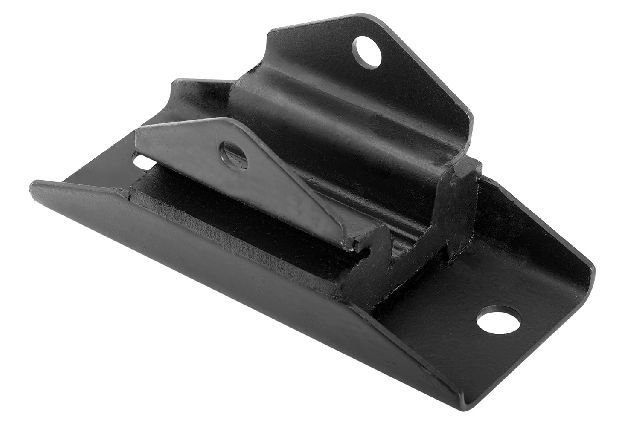
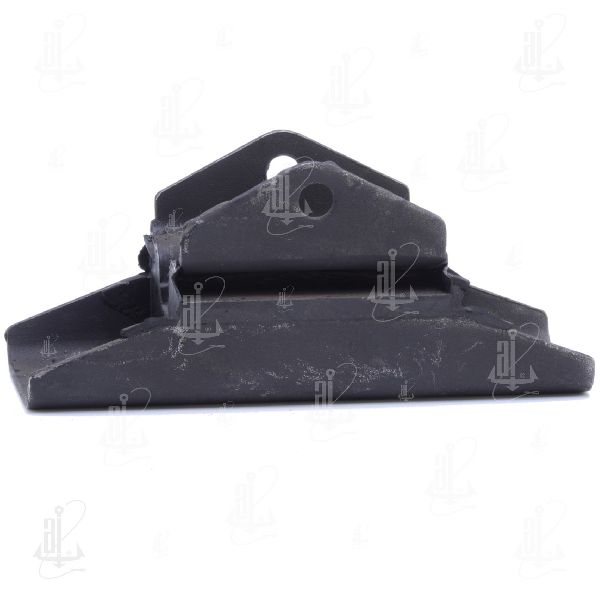
This is a non-hydraulic mount consisting of a steel bracket and a bonded rubber insulator block. It bolts to the transmission tailhousing and the frame crossmember. Fitment can vary between 2WD and 4WD models, as well as by specific transmission and engine combination. Always verify fitment for your specific vehicle configuration.
We Have This Part in Stock


The information in this article is provided for general reference and educational purposes only. Vehicle specifications, procedures, and part compatibility can vary by production date, trim level, and region. Always consult your vehicle's factory service manual and verify part numbers before purchasing or performing repairs. Safety-critical components such as airbags, seat belts, and braking systems should be installed by a qualified professional.