

Choosing the Right Front Disc Brake Pads for Your 1969-1973 Dodge Charger
Upgrading your classic Charger's brake pads is the single best improvement for safety and stopping power.
- First, confirm your Charger has front disc brakes, as many had drum brakes from the factory.
- Modern aftermarket pads (Ceramic or Semi-Metallic) are a major safety and performance upgrade over 1970s technology.
- Choose a pad material based on your driving: Ceramic for low dust and quiet street use, Semi-Metallic for spirited driving.
- For best performance and safety, always replace brake rotors at the same time as the pads.
Is Your Charger Equipped with Disc Brakes?
Before buying parts, you must confirm your car has front disc brakes. From 1969-1973, many Dodge Chargers left the factory with manual drum brakes on all four wheels. Disc brakes were an optional upgrade. If your front wheels have a solid, plate-like disc (rotor) with a separate clamping mechanism (caliper) visible behind the wheel, you have disc brakes. If you see a large, enclosed "drum" that the wheel bolts to, you have drum brakes and this guide does not apply. Many owners have converted their drum brake cars to disc brakes for improved safety and performance.
Symptoms of Worn Brake Pads
Your classic Charger will give you clear signs when the brake pads are ready for a change. Ignoring them can lead to more expensive repairs.
- Squealing or Screeching: A high-pitched noise when you apply the brakes is one of the first indicators.
- Grinding Noises: A loud, metallic grinding sound means the pad material is completely gone. This is a critical safety issue, as metal-on-metal contact is destroying your brake rotors. Stop driving the vehicle immediately.
- Vibration or Pulsing: If you feel a shaking in the steering wheel or brake pedal when stopping, your pads may be worn unevenly or your rotors may be warped.
- Reduced Stopping Power: If the car takes longer to stop or the brake pedal feels soft, your brake system needs immediate inspection.
Choosing the Right Aftermarket Brake Pad
For a classic car, there is no "new OEM" pad available. The original pads used outdated organic materials. Today's aftermarket pads offer a significant upgrade in safety and performance. The main choice is between semi-metallic and ceramic compounds.
| Pad Material | Pros | Cons | Best For |
|---|---|---|---|
| Semi-Metallic | Excellent heat dissipation, strong bite, great all-around performance, typically lower cost. | Can be noisier, produce more brake dust, and cause more wear on rotors than ceramic pads. | Spirited street driving and owners who prioritize performance over low dust. |
| Ceramic | Very quiet operation, produce very little dust, long pad life, and are gentle on rotors. | Can have less initial bite when cold, may not handle extreme track temperatures as well as performance pads. | Daily drivers, show cars, and owners who want to keep their wheels clean. |
Pro Tip: What is Brake Fade?
Brake fade happens when pads get too hot from repeated, heavy use. The pad material loses its ability to create friction, and you lose stopping power even with the pedal pressed hard. Modern semi-metallic and performance pads are much more resistant to fade than the original organic pads.
Brand & Quality Breakdown
Choosing between brands often comes down to your driving style and budget.
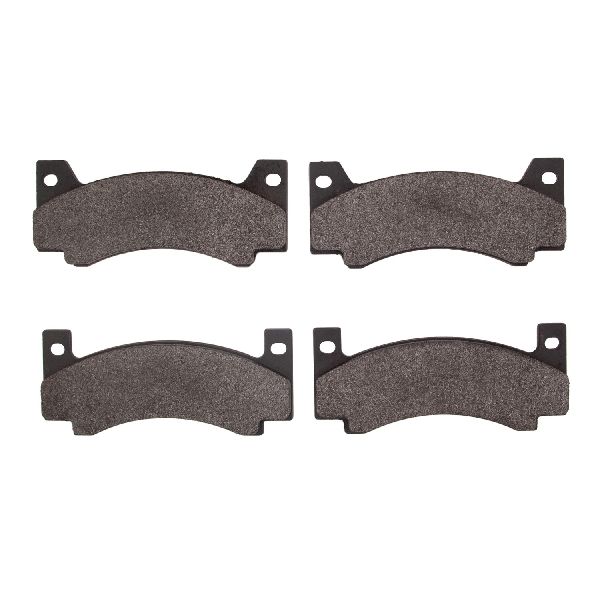
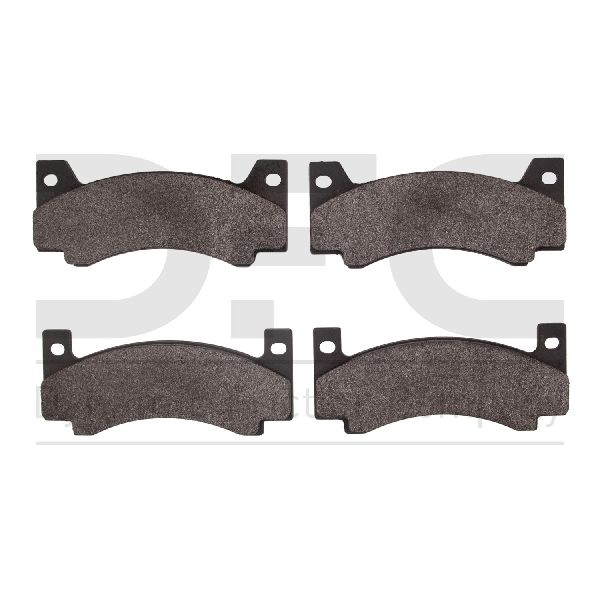
- Dynamic Friction: This brand is an excellent choice for a street-driven Charger. Their pads, like the DFC 5000 series, are often formulated to provide a feel similar to modern OEM pads, offering a great balance of quiet operation, low dust, and reliable stopping power. They are a significant upgrade from old technology and represent a strong value.
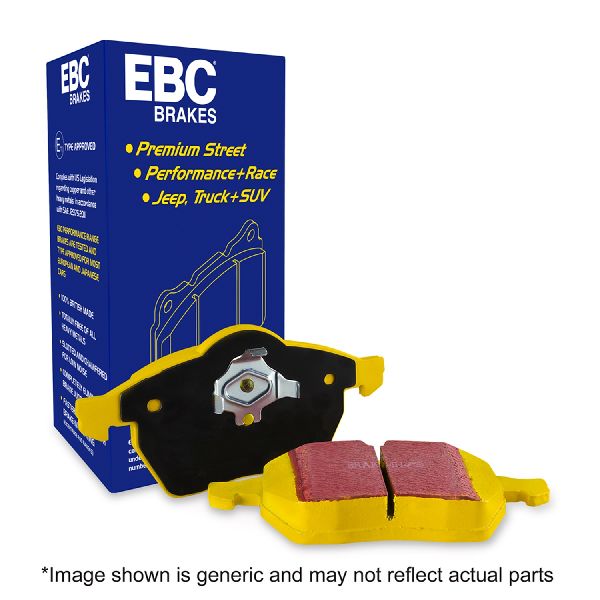
- EBC Brakes: EBC is a well-known performance brand with a color-coded lineup to match different uses. For a Charger, the most common choices are Greenstuff for a spirited street car with low dust, or Yellowstuff for a high-performance street car that might see aggressive driving. EBC Yellowstuff pads offer tremendous stopping power but will create more dust and wear rotors faster than a typical ceramic pad.
Estimated Replacement Costs
The cost to replace your brake pads will vary based on whether you do the work yourself or hire a professional mechanic. Labor costs for classic cars can sometimes be higher.
| Item | Estimated Cost (Per Axle) |
|---|---|
| Aftermarket Brake Pad Set (DIY) | $46 - $224 |
| Shop Labor | $100 - $200 |
| Total Professional Replacement | $146 - $424 |
This table is for estimation purposes only. Costs can vary significantly based on your location, chosen parts, and your mechanic's labor rates.
Frequently Asked Questions (FAQ)
What is "bedding-in" new brake pads?
Bedding-in is a process of a few controlled stops to evenly transfer a layer of friction material from the new pads to the brake rotors. This ensures quiet, smooth, and effective braking. EBC pads often come with a special "Brake-In" coating to make this process easier. Always follow the manufacturer's specific procedure.
Should I replace my rotors at the same time?
It is highly recommended. If your rotors are old, have visible grooves, or you feel a pulsation when braking, they should be replaced. Installing new pads on worn rotors will reduce performance and shorten the life of the new pads. For best results, always install new pads and rotors together.
Are there any recalls for 1969-1973 Charger brake pads?
No, there are no active or relevant recalls or TSBs from NHTSA for brake pads on these vehicles. Any issues would be related to general wear and tear over the last 50+ years.
Can I use brake pads from a different Mopar B-Body car?
Yes, in many cases. The 1969-1973 Charger is a "B-Body" platform, and the factory-style 4-piston disc brake setup was shared with other Mopar cars of the era, like the Plymouth Road Runner and some Challengers (E-Body). However, you must always verify the exact part number for your specific year and model before purchasing.
Technical Specifications
This disc brake pad set is designed for the 1969-1973 Dodge Charger (Mopar B-Body) equipped with factory-style 4-piston front brake calipers. Compatibility may extend to other B-Body and E-Body Mopars from the same era. Always verify fitment with the specific part number before ordering.
We Have This Part in Stock

The information in this article is provided for general reference and educational purposes only. Vehicle specifications, procedures, and part compatibility can vary by production date, trim level, and region. Always consult your vehicle's factory service manual and verify part numbers before purchasing or performing repairs. Safety-critical components such as airbags, seat belts, and braking systems should be installed by a qualified professional.