

A Guide to Spark Plugs for the 1969-1973 Ford Ranchero
Keep your classic Ranchero's engine firing on all cylinders with the correct set of spark plugs.
- For most stock 1969-1973 Rancheros, standard copper spark plugs from Autolite or NGK are the best and most cost-effective choice.
- Always verify and set the spark plug gap for your specific engine before installation; a common setting is .035 inches for stock ignitions.
- Unless you have a modified, high-energy ignition system, expensive platinum or iridium plugs are unnecessary and may not provide any benefit.
- Replacing spark plugs is a simple, low-cost DIY job that can significantly improve your Ranchero's performance and reliability.
Understanding Spark Plugs in Your Classic Ranchero
The spark plugs in your 1969-1973 Ford Ranchero are a key maintenance item for engine health and performance. These vehicles came with a wide range of engines, from the 250 cubic inch inline-six to powerful V8s like the 302, 351 Windsor, 351 Cleveland, and 429. Each engine requires a specific spark plug to run its best. Choosing the right plug isn't just about fit; it's about matching the plug's characteristics to your engine's needs.
Symptoms of Failing Spark Plugs
- Rough Idle: The engine may shake or run unevenly when stopped.
- Engine Misfire: You might feel a hesitation or stumble during acceleration.
- Hard Starting: The engine cranks but struggles to fire up and run.
- Reduced Power: The vehicle feels sluggish and doesn't accelerate as it should.
- Poor Fuel Economy: Worn plugs can cause inefficient combustion, making you visit the gas station more often.
Choosing the Right Aftermarket Spark Plug
For a classic vehicle like the Ranchero, "OEM" quality is readily available from top aftermarket brands. The original plugs were often Autolite, so choosing this brand is a safe bet for stock performance. However, the best plug for your truck depends on your engine's condition and whether it's stock or modified.
Material Matters: Copper vs. Platinum and Iridium
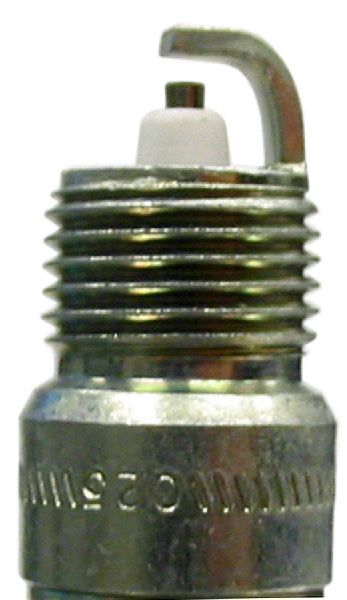
The engines in this Ranchero generation were designed for standard copper-core spark plugs. For a stock, original-style ignition system, copper plugs from brands like Autolite, NGK, or Champion are the most reliable and cost-effective choice. They provide excellent spark and heat transfer. While modern platinum or iridium plugs last longer, they are not always the best choice for these older engines and may not offer any performance benefit unless you have an upgraded, high-energy ignition system.
Brand Tiers for Your Ranchero
- Standard/Stock Replacement (Recommended for most owners): Brands like Autolite and NGK are highly regarded by classic Ford owners for their reliability and performance in stock engines. Many find they perform better and are more consistent than other brands. Autolite 24 or 25 are common part numbers for 351C engines, for example.
- Performance Upgrade: If you have modified your Ranchero with a high-output ignition system (like from MSD), then performance-oriented plugs from brands like Accel or MSD might be a good fit. These are designed to handle the higher energy output of such systems.
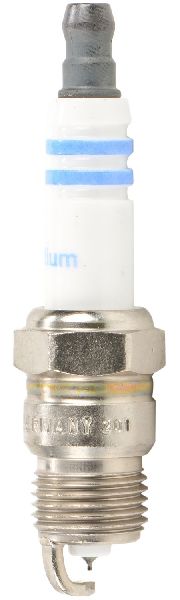
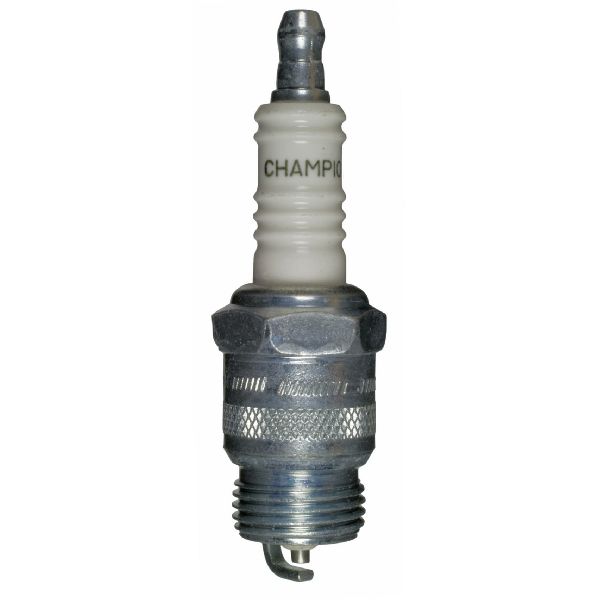
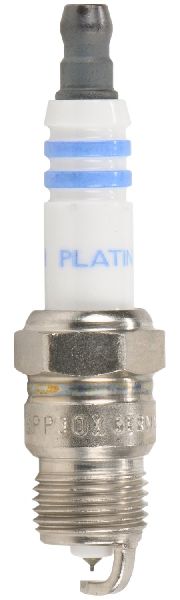
- Use with Caution: Some owners have reported inconsistent quality or performance with Champion plugs in classic Ford engines, though they are readily available. Bosch plugs are also available but are less commonly discussed in forums for this specific vehicle.
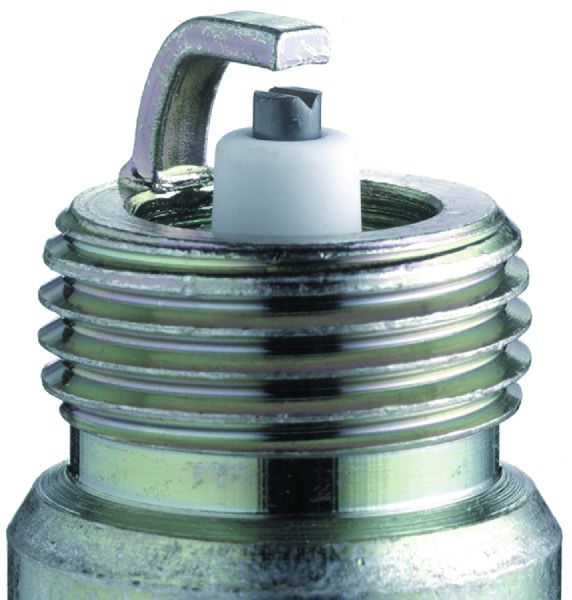
Pro Tip: Always check the spark plug gap before installation! Even if the plugs come "pre-gapped," they can be knocked out of spec during shipping. The correct gap for your Ranchero's engine is usually found on a sticker in the engine bay or in the owner's manual. A common gap for these engines with standard ignitions is around .035 inches.
| Part Tier | Typical Price Range (Per Plug) | Brands |
|---|---|---|
| Standard Copper (Recommended) | $3 - $6 | Autolite, NGK, Champion |
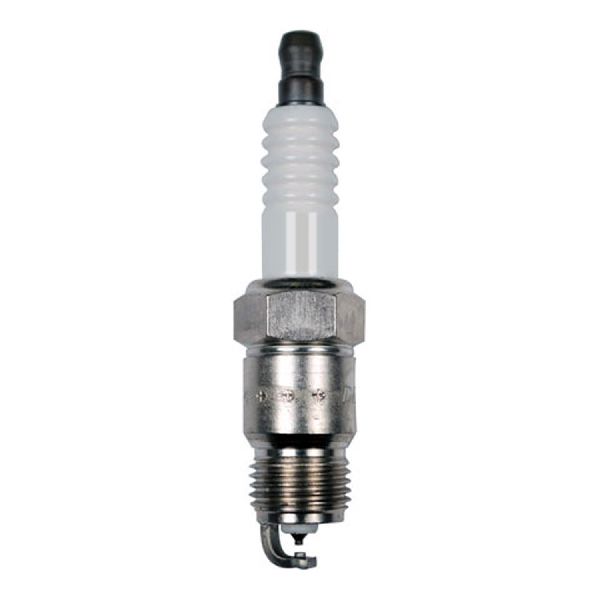
| Performance / Upgraded Ignition | $7 - $15+ | Accel, MSD, Denso |
| Long-Life (Platinum/Iridium) | $6 - $25 | Bosch, NGK, Denso |
Known Issues, Recalls, and Service Bulletins
For vehicles of this age, there are no active recalls or specific Technical Service Bulletins (TSBs) from Ford regarding spark plugs. Any TSBs you might find for Ford spark plug issues, such as plugs breaking in the cylinder head or threads stripping, apply to much newer modular engines (from the late 1990s onward) and are not relevant to the 1969-1973 Ranchero engines.
Frequently Asked Questions (FAQ)
How often should I change the spark plugs on my Ranchero?
For standard copper plugs, a good interval is every 10,000 to 15,000 miles or every two years. This simple maintenance can keep your engine running smoothly.
What is the correct spark plug gap for my engine?
It varies by the specific engine and year. Check the emissions decal under the hood. If it's missing, a common gap for standard ignitions is .032-.036 inches. If you have an upgraded electronic ignition, you may be able to run a wider gap, such as .040-.045 inches, but consult your ignition system's documentation.
Do I need to use anti-seize on the plug threads?
Using a very small amount of nickel anti-seize on the threads can make future removal easier, especially with cast iron cylinder heads. However, be careful not to use too much, as it can affect the plug's grounding and heat transfer. Do not get any on the electrode.
Should I use dielectric grease?
Yes, applying a small amount of dielectric grease to the inside of the spark plug wire boot is a good practice. It helps seal out moisture, prevents corrosion, and makes it easier to remove the wires next time.
Can I use modern iridium plugs in my classic Ranchero?
You can, but it's generally not recommended for a stock engine. The main benefit of iridium is longevity, but these older engines benefit from the frequent check-ups that come with shorter plug change intervals. Stick with copper plugs unless you have a high-energy, computer-controlled ignition system.
Frequently Asked Questions (FAQ)
How often should I change the spark plugs on my Ranchero?
For standard copper plugs, a good interval is every 10,000 to 15,000 miles or every two years. This simple maintenance can keep your engine running smoothly.
What is the correct spark plug gap for my engine?
It varies by the specific engine and year. Check the emissions decal under the hood. If it's missing, a common gap for standard ignitions is .032-.036 inches. If you have an upgraded electronic ignition, you may be able to run a wider gap, such as .040-.045 inches, but consult your ignition system's documentation.
Do I need to use anti-seize on the plug threads?
Using a very small amount of nickel anti-seize on the threads can make future removal easier, especially with cast iron cylinder heads. However, be careful not to use too much, as it can affect the plug's grounding and heat transfer. Do not get any on the electrode.
Should I use dielectric grease?
Yes, applying a small amount of dielectric grease to the inside of the spark plug wire boot is a good practice. It helps seal out moisture, prevents corrosion, and makes it easier to remove the wires next time.
Can I use modern iridium plugs in my classic Ranchero?
You can, but it's generally not recommended for a stock engine. The main benefit of iridium is longevity, but these older engines benefit from the frequent check-ups that come with shorter plug change intervals. Stick with copper plugs unless you have a high-energy, computer-controlled ignition system.
Technical Specifications
Spark plug selection is highly dependent on the specific engine in your Ranchero (250, 302, 351W, 351C, 429). Key factors are thread size, reach, and heat range. For stock engines, a standard-tip copper-core plug is recommended. Common Autolite part numbers for V8s include 24 and 25. Always consult a parts catalog for your specific application.
We Have This Part in Stock

The information in this article is provided for general reference and educational purposes only. Vehicle specifications, procedures, and part compatibility can vary by production date, trim level, and region. Always consult your vehicle's factory service manual and verify part numbers before purchasing or performing repairs. Safety-critical components such as airbags, seat belts, and braking systems should be installed by a qualified professional.