

Engine Timing Set Guide for the 1969-1974 Ford Ranch Wagon
Keep your classic wagon's V8 running strong by understanding when and how to replace its engine timing set.
- The original timing gear likely has nylon teeth that wear out; replacing it with an all-steel aftermarket set is a crucial upgrade.
- Symptoms of failure include engine rattle, loss of power, and a rough or wandering idle.
- Quality aftermarket brands like Cloyes and Melling offer excellent standard and double-roller options for this vehicle.
- While the job is DIY-feasible for experienced mechanics, it requires careful attention to setting the timing marks correctly.
Is Your Ranch Wagon's Timing Chain Showing Its Age?
The V8 engines in the 1969-1974 Ford Ranch Wagon, such as the 302, 351, 390, 400, and 429, were built with a simple and generally durable timing chain system. However, a common weak point from the factory was the use of a camshaft sprocket with nylon-coated teeth. After decades of use, this nylon can become brittle, break off, and lead to a very loose, or "stretched," timing chain. This causes the camshaft timing to become retarded, hurting engine performance, especially low-end torque.
Symptoms of a Failing Timing Set
A worn timing set will give you several warning signs. Ignoring them can lead to more serious engine problems.
- Rattling or Slapping Noise: A loose chain may slap against the inside of the timing cover, creating a noticeable rattling sound from the front of the engine, especially at idle or on startup.
- Loss of Power and Poor Performance: As the chain stretches, the valve timing becomes inaccurate, which can cause a noticeable loss of power, rough idling, and difficulty starting.
- Wandering Idle: The engine idle may fluctuate, nearly stalling and then recovering, as the loose chain causes the timing to shift inconsistently.
- Metal Shavings in Oil: In severe cases, pieces of the nylon gear or metal from the chain can break off and end up in the engine oil and oil pan.
Known Issues for This Vehicle
A search of the National Highway Traffic Safety Administration (NHTSA) database found no specific recalls or technical service bulletins (TSBs) related to the engine timing set for the 1969-1974 Ford Ranch Wagon. Any failure today is typically due to the age and wear of the original components, particularly the factory-installed nylon-toothed camshaft gear. Upgrading to a set with all-steel sprockets is a common and recommended repair.
Choosing the Right Aftermarket Timing Set
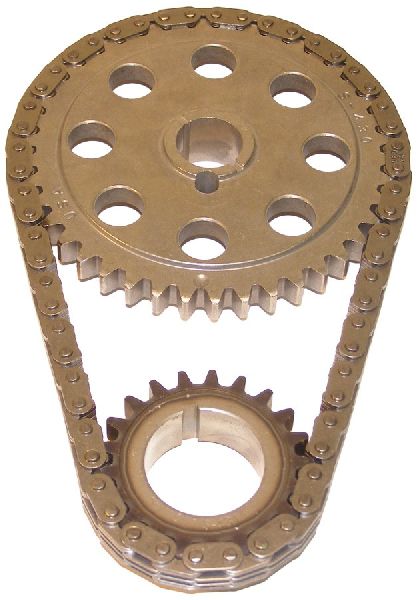
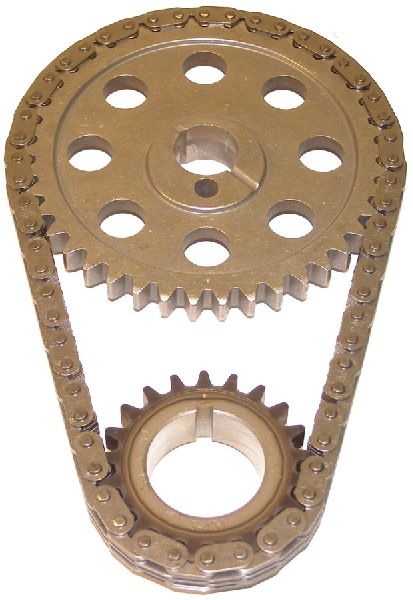
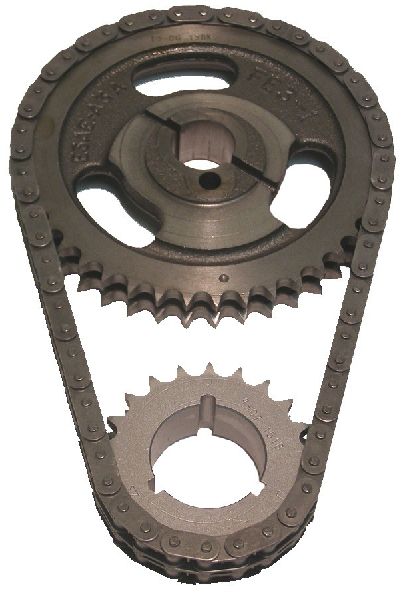
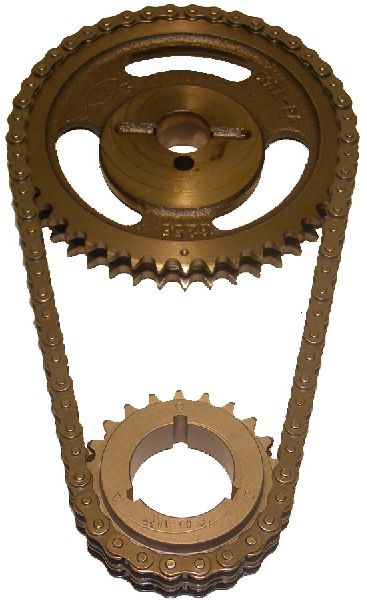
When replacing the timing set on your classic Ford, you have several excellent aftermarket options that offer significant improvements over the original design. The main choice is between a standard replacement and a performance-oriented true roller chain.
Brand Quality & Tiers
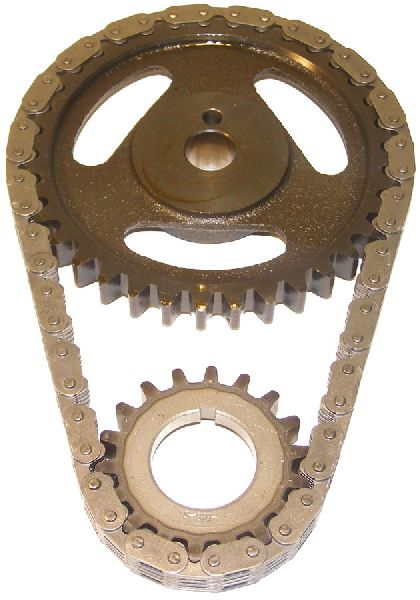
- OE Quality (Good): Brands like Melling and Cloyes offer high-quality standard replacement sets. These are often called "silent" or inverted-tooth chains and are a direct replacement for the stock setup. They are an excellent choice for a daily driver or stock restoration and a major upgrade over a worn original set. Many owners have used these brands with good results.
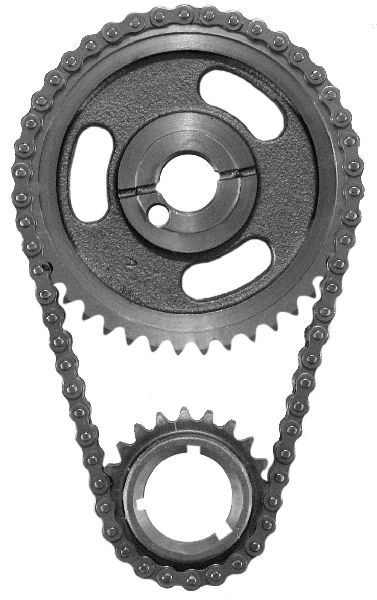
- Street Performance (Better): For a bit more durability, consider a double-roller timing set from Cloyes, Melling Select Performance, or Edelbrock. A double-roller chain is stronger and stretches less over time than a standard chain. These are great for mildly modified engines or for owners who want extra peace of mind.
- High Performance (Best): Ford Performance offers premium timing sets designed for high-RPM and high-horsepower applications. While likely overkill for a stock wagon, they offer the ultimate in strength and timing accuracy.
| Part Type | Price Range |
|---|---|
| New Aftermarket Timing Set | $29.79 - $151.47 |
| Shop Labor | $400 - $1,000 |
Frequently Asked Questions (FAQ)
Should I get a standard chain or a double-roller chain?
For a stock or lightly used Ranch Wagon, a quality standard replacement set from a brand like Melling or Cloyes is perfectly adequate and a big improvement over a worn original. If you plan on performance upgrades or want maximum durability, a double-roller set is a worthwhile investment for a modest price increase.
How can I check if my timing chain is loose?
A simple way is to remove the distributor cap and turn the engine over by hand using a socket on the crankshaft bolt. Rotate the crank back and forth and watch the distributor rotor. If you can move the crankshaft more than about 10-15 degrees before the rotor begins to move, the chain has excessive slack and should be replaced.
Are the engines in these wagons interference or non-interference?
Most classic American pushrod V8s from this era, including the Ford engines used in the Ranch Wagon, are non-interference designs. This means that if the timing chain were to break completely, the pistons would likely not hit and damage the valves. However, the engine will stop running immediately, leaving you stranded.
Is this a good DIY job?
For a mechanically experienced owner, yes. The job is straightforward on these pushrod V8s but requires removing the radiator, water pump, and harmonic balancer. Setting the timing correctly by aligning the marks on the cam and crank sprockets is critical. If you are not comfortable with this level of work, it is best left to a professional mechanic.
Technical Specifications
OEM Part Numbers: D3OZ-6019A
The key choice is between a standard 'silent' inverted-tooth chain and a more durable double-roller chain. Both types are available from multiple aftermarket brands to fit the various V8 engines (302, 351W, 351C, 390, 400, 429) offered in this vehicle.
We Have This Part in Stock

The information in this article is provided for general reference and educational purposes only. Vehicle specifications, procedures, and part compatibility can vary by production date, trim level, and region. Always consult your vehicle's factory service manual and verify part numbers before purchasing or performing repairs. Safety-critical components such as airbags, seat belts, and braking systems should be installed by a qualified professional.