

Choosing the Right New Distributor for Your 1969-1975 Chevrolet Blazer
A new distributor is one of the best upgrades you can make for the reliability and performance of your classic Blazer's engine.
- Upgrading from a points-style distributor to an electronic HEI unit is the single best improvement for reliability and performance.
- Proper installation and setting the ignition timing with a timing light are critical for engine performance.
- Brand choice matters: MSD and FAST are for high-performance, Pertronix is a great all-around upgrade, and Cardone/WAI are budget-friendly stock replacements.
- While the distributor itself is a common failure point, always check the cap and rotor first, as they are wear items.
Is it Time for a New Distributor?
On a classic truck like the 1969-1975 Blazer, the distributor is a common source of engine problems. The original points-style systems require regular maintenance, and even later electronic systems can fail with age. If your Blazer is hard to start, running rough, misfiring, or just doesn't have the power it used to, a failing distributor is a likely suspect. Because this part is so critical to engine timing, a worn-out or faulty unit can leave you stranded.
A Note on OEM Parts & Recalls
Original GM distributors for this era are no longer available new. Any "New OEM" parts found would be from old stock and extremely rare. There are no active recalls or specific Technical Service Bulletins (TSBs) from the NHTSA for distributors on the 1969-1975 Chevrolet Blazer. Failures are typically due to normal wear and age.
Choosing Your Aftermarket Distributor: Points vs. HEI
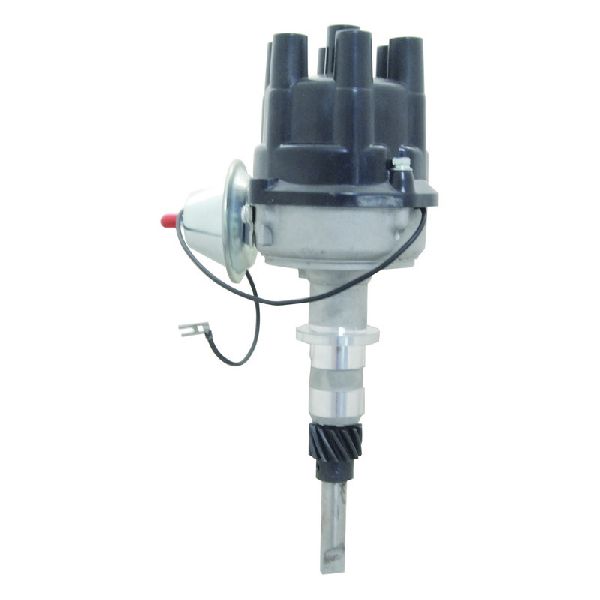
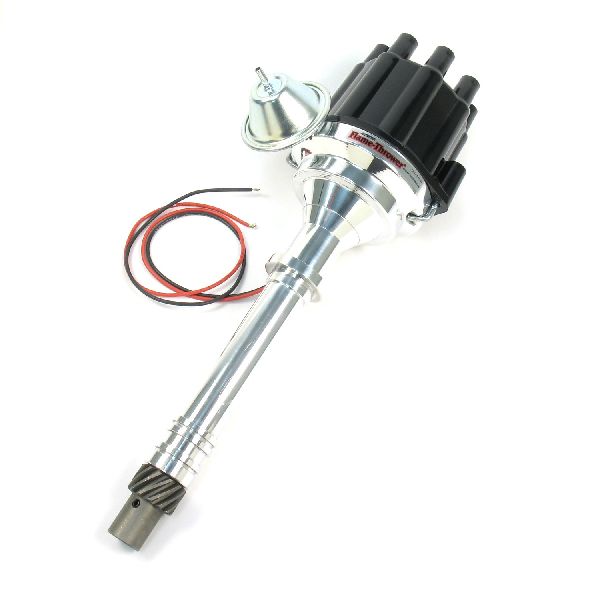
For the 1969-1975 Blazer, you have two main choices: a new points-style distributor or an upgrade to an electronic High Energy Ignition (HEI) system. An HEI distributor is a popular, self-contained upgrade that eliminates the need for maintenance-heavy points and provides a much stronger, more reliable spark. This results in easier starting, a smoother idle, and better overall performance. Unless you are doing a 100% historically accurate restoration, upgrading to an HEI distributor is highly recommended.
Aftermarket Brand Tiers for Your Blazer
Not all aftermarket brands are the same. They generally fall into three categories based on performance and price.
Tier 1: Performance Brands (MSD, FAST, Edelbrock)
These brands are for the Blazer owner looking for maximum performance and reliability. They offer high-output HEI distributors with features like billet aluminum housings, high-quality internal components, and the ability to add rev limiters. They are designed to work as part of a complete performance ignition system and are the top choice for modified engines or for owners who want the absolute best.
Tier 2: Upgrade Brands (Pertronix, Accel)
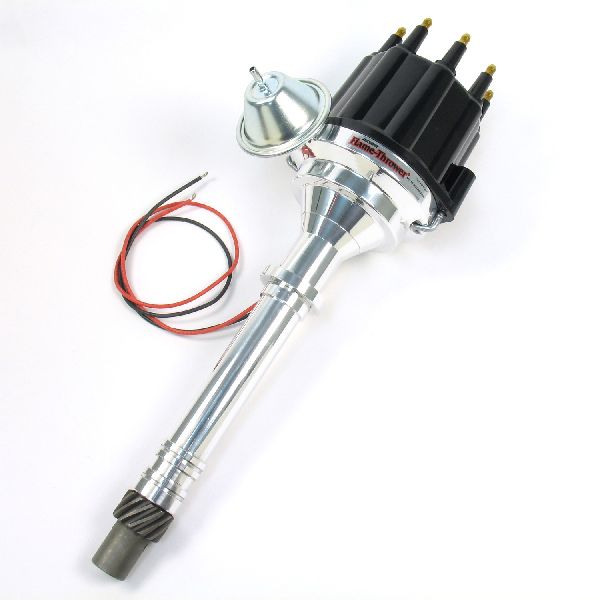
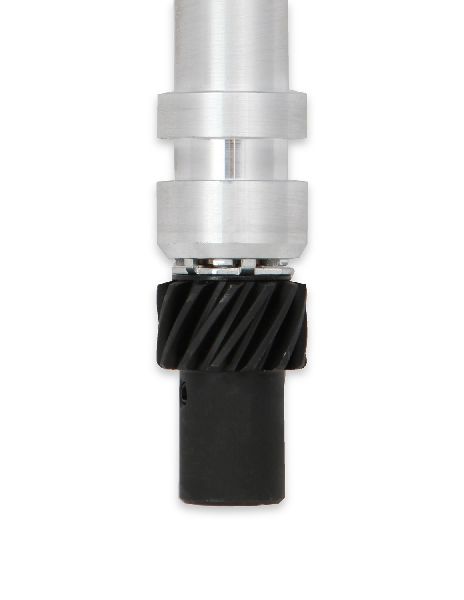
Pertronix and Accel are famous for making it easy to upgrade from points to electronic ignition. Pertronix, in particular, offers complete drop-in billet distributors that provide the benefits of an HEI system in a clean, easy-to-install package. These are an excellent middle-ground, offering a significant reliability boost over points without the high cost of a full race-spec system. They are perfect for daily drivers and mild custom builds.
Tier 3: Standard Replacement Brands (Cardone, WAI Global)
These brands offer cost-effective, stock-style replacements. While some forum users have mixed reviews on the long-term durability of budget brands, they can be a viable option for a stock vehicle on a tight budget. Cardone offers both new and remanufactured units that meet original specifications. WAI Global provides new aftermarket units that serve as a direct replacement. These are a practical choice if you just need to get your Blazer back on the road.
Pro Tip: When replacing your distributor, it's also the perfect time to inspect and likely replace your spark plug wires, cap, and rotor. Upgrading to an HEI distributor may also require a new ignition coil that is compatible with it.
Distributor Replacement Cost for 1969-1975 Chevrolet Blazer
| Part/Service | Estimated Cost |
|---|---|
| New Aftermarket Distributor | $95 - $600 |
| Shop Labor | $100 - $250 |
| Total Estimated Cost | $195 - $850 |
Costs are estimates and can vary based on your location, vehicle condition, and the specific parts chosen.
Frequently Asked Questions
Should I upgrade from points to an electronic HEI distributor?
For most owners, the answer is yes. An HEI distributor provides a stronger spark, which improves starting, fuel efficiency, and overall engine performance. It also eliminates the need for regular points adjustments, making your classic Blazer much more reliable and maintenance-free.
What is a vacuum advance and do I need it?
The vacuum advance is a mechanism on the distributor that adjusts ignition timing based on engine load. It helps improve fuel economy and drivability during cruising. Most street-driven Blazers will benefit from having a functional vacuum advance. Many aftermarket HEI distributors include this feature.
Do I need a new ignition coil with my new distributor?
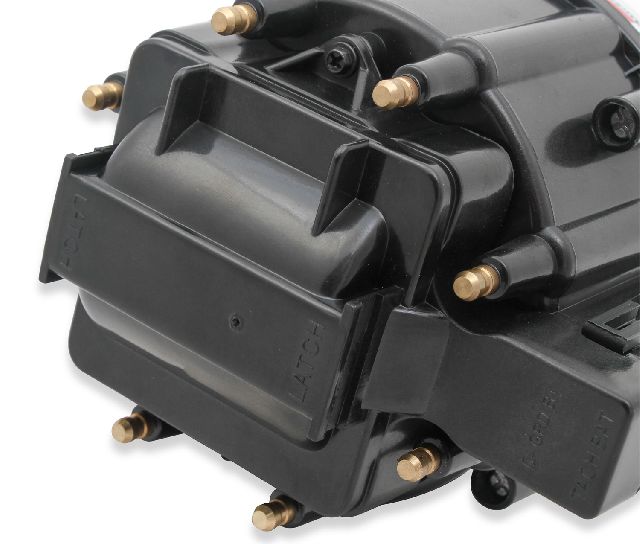
If you are upgrading to an HEI distributor, you will likely need a new coil designed to work with it. Many HEI distributors have the coil built directly into the cap, simplifying the installation. If you are replacing a points distributor with another points unit, your original coil should work, but it's always a good idea to replace an old coil for reliability.
Is installing a new distributor a DIY job?
Yes, for someone with basic mechanical skills. The process involves removing the old distributor, dropping the new one in, and then, most importantly, setting the ignition timing with a timing light. Getting the timing wrong can prevent the engine from starting or cause it to run poorly, so following a repair manual or guide is crucial.
Technical Specifications
OEM Part Numbers: 1112024 1112033 1112880 1112931
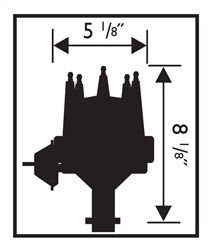
Fits V8 engines (307, 350, 400 ci). Available in points-style or as a High Energy Ignition (HEI) electronic upgrade. Most aftermarket HEI units feature a built-in coil and vacuum advance.
We Have This Part in Stock

The information in this article is provided for general reference and educational purposes only. Vehicle specifications, procedures, and part compatibility can vary by production date, trim level, and region. Always consult your vehicle's factory service manual and verify part numbers before purchasing or performing repairs. Safety-critical components such as airbags, seat belts, and braking systems should be installed by a qualified professional.