

Choosing the Right Radiator for Your 1969-1975 Chevrolet Blazer
Keep your classic K5 Blazer running cool by selecting the correct new aftermarket radiator for your engine and needs.
- Modern aluminum radiators often provide better cooling and are lighter than the original copper/brass units.
- Verify if you need a radiator with a built-in transmission cooler for your automatic transmission.
- For modified or big-block engines, a high-efficiency 2-row with large tubes or a 3-row/4-row aluminum radiator is recommended.
- A functioning fan shroud is critical for proper cooling, especially at low speeds.
Symptoms of a Failing Radiator
A bad radiator can leave you stranded. Knowing the signs can help you address the problem before it becomes critical. 🎬 Watch: How to diagnose overheating issues on your classic vehicle. Look out for these common symptoms:
- Engine Overheating: This is the most obvious sign. If your temperature gauge is consistently in the red or higher than normal, your radiator may not be cooling effectively.
- Coolant Leaks: Puddles of green, orange, or pink fluid under the front of your Blazer are a clear sign of a leak. Leaks can come from the radiator core, the tanks, or the hose connections.
- Visible Damage or Corrosion: Look for rusted fins, bent tubes, or white, crusty deposits on the radiator's surface. On older copper/brass units, green corrosion is a common sight.
- Low Coolant Levels: If you frequently have to add coolant to the overflow tank or directly to the radiator, you likely have a leak somewhere in the system.
- Sludge in Coolant: If you see thick, rusty, or oily sludge in your radiator, it's a sign of internal corrosion or other major engine problems like a blown head gasket. This can clog the radiator's tubes and stop it from working.
Choosing Your Aftermarket Radiator: Aluminum vs. Copper/Brass
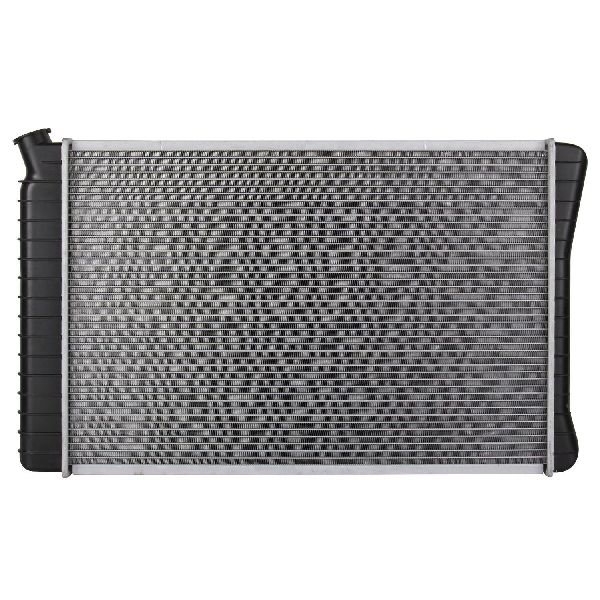
When replacing the radiator in your classic Blazer, you'll face a choice between the original style copper/brass and modern aluminum construction.
Original Style (Copper/Brass): These radiators look correct for a period restoration and are easier to repair if damaged. Copper is an excellent heat conductor. However, they are heavier and often more expensive than aluminum counterparts. Over time, the lead solder used in their construction can degrade, reducing efficiency.
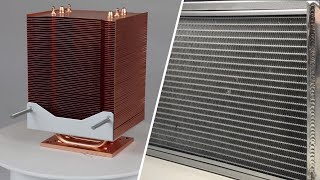
🎬 See the main differences between copper and aluminum radiators.Modern Style (Aluminum): Most aftermarket radiators today are made of aluminum. They are significantly lighter and often more affordable. Modern aluminum radiators with wide tubes and efficient fins can cool better than even a 4-row copper/brass unit from the same era. While strong, they are more difficult to repair on the road. Many use plastic tanks crimped to an aluminum core, and the seam can be a failure point. Fully welded aluminum radiators offer better durability.
Pro Tip: More Rows Aren't Always Better
The number of rows refers to the layers of tubes in the radiator's core. A factory radiator might have been a 2, 3, or 4-row unit. While a 4-row radiator has more surface area, a modern, high-efficiency 2-row aluminum radiator with large 1-inch or 1.25-inch tubes can often cool more effectively than an older 4-row copper/brass design. For most stock to mildly modified engines, a quality 2 or 3-row aluminum radiator is more than sufficient.
Aftermarket Brand Tiers
The brands available offer a range of quality and performance. Here’s a general breakdown based on owner feedback and market position:
- Performance (High-End): Brands like Mishimoto and Frostbite focus on high-performance, all-aluminum, fully welded radiators. They are designed for modified engines, heavy-duty use, or owners who want the best cooling possible. However, some users have reported fitment issues or leaks with some performance brands, so check reviews for your specific application.
- Standard Replacement: ACDelco is GM's official parts brand and offers reliable, OE-quality replacements. Spectra is a very common aftermarket brand that generally provides good value, though some users report mixed quality and cooling performance compared to OEM. These are good choices for daily drivers with stock engines.
- Economy: Brands like APDI, One Stop Solutions, and Onix typically fall into the economy category. They offer a low-cost solution to get your Blazer back on the road, but long-term durability and cooling efficiency might not match higher-priced options.
| Part Type | Estimated Cost |
|---|---|
| New Aftermarket Radiator | $126.09 - $449.95 |
| Professional Labor | $150 - $300 |
| Total Estimated Cost | $276.09 - $749.95 |
Common Ordering Mistake: Transmission Coolers
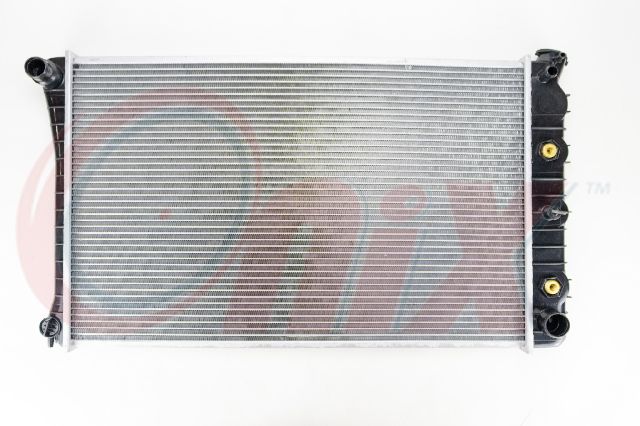
Blazers with automatic transmissions have a transmission fluid cooler integrated into the radiator. These radiators have two extra fittings for the transmission lines. If you have an automatic, you MUST order a radiator with a transmission cooler. If you have a manual transmission, you can still use a radiator with a cooler; you just won't use the fittings.
Frequently Asked Questions
Do I need a special radiator for my V8 engine?
Yes, you need to ensure the radiator you buy is rated for the heat output of your engine. V8s, especially modified big-blocks, generate more heat than the standard inline-6. Look for heavy-duty or high-performance aluminum radiators with at least 2 rows of large tubes, or a 3-row or 4-row design for maximum cooling.
Can I install a new radiator myself?
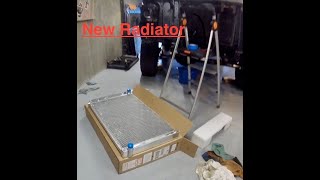
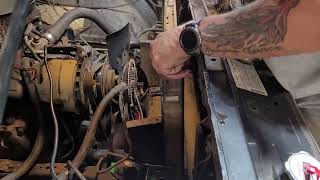
Yes, for most home mechanics, this is a very feasible job. The process involves draining the coolant, removing the hoses, disconnecting transmission cooler lines (if applicable), unbolting the fan shroud and radiator, and then reversing the process. Basic hand tools are all that's required.
🎬 Watch this step-by-step radiator installation on a Chevy K5 Blazer.What is a fan shroud and why is it important?
The fan shroud is a plastic or metal piece that surrounds the engine fan. It is critical for cooling, especially at low speeds or idle. It ensures the fan pulls air through the entire radiator core instead of just the area in front of the fan blades. If your shroud is missing or broken, your truck is much more likely to overheat in traffic.
Are there any recalls for the 1969-1975 Blazer radiator?
No, searches of the National Highway Traffic Safety Administration (NHTSA) database show no recalls specifically for the radiator on 1969-1975 Chevrolet Blazers. Any cooling system issues would be considered general maintenance or repair items due to the vehicle's age.
Helpful Videos


Technical Specifications
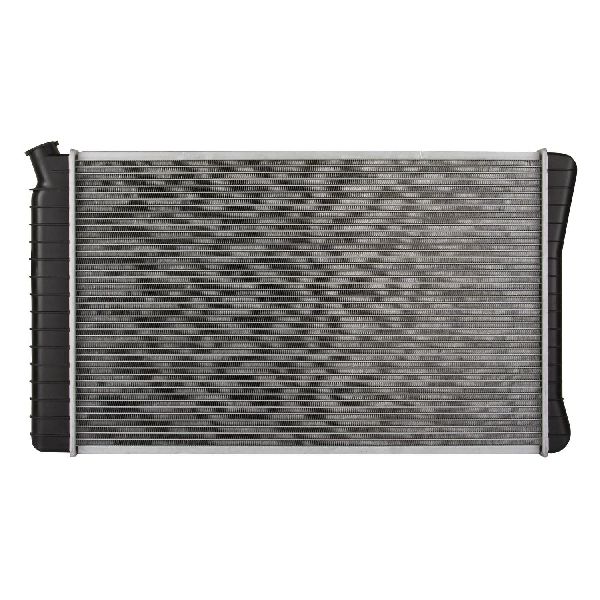
Core Material: Copper/Brass (Original) or Aluminum (Aftermarket). Core Dimensions (Approximate): 17" H x 28-3/8" W. Rows: 2, 3, or 4. Inlet/Outlet Location: Varies by year/engine, typically driver-side inlet and passenger-side outlet. Transmission Cooler: Required for automatic transmissions, integrated into the radiator tank.
We Have This Part in Stock


The information in this article is provided for general reference and educational purposes only. Vehicle specifications, procedures, and part compatibility can vary by production date, trim level, and region. Always consult your vehicle's factory service manual and verify part numbers before purchasing or performing repairs. Safety-critical components such as airbags, seat belts, and braking systems should be installed by a qualified professional.