

Choosing the Right Spark Plugs for Your 1969-1975 Chevrolet Blazer
Keep your classic K5 Blazer's engine running strong by selecting the correct spark plugs for its specific needs.
- For stock engines, standard copper core plugs from brands like ACDelco or Autolite are reliable and cost-effective.
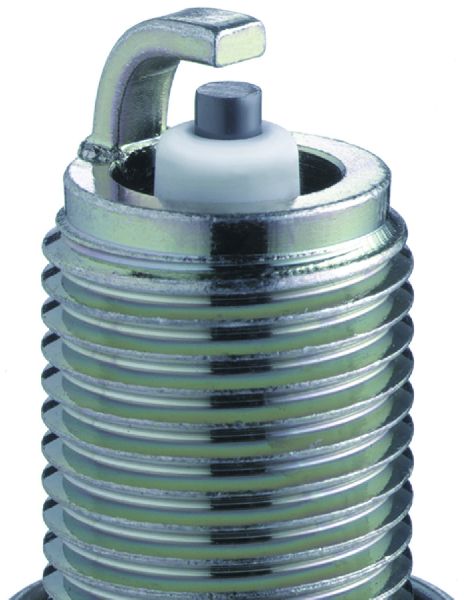
- Always verify the spark plug gap with a feeler gauge before installation, even if the plugs are pre-gapped.
- Be careful not to over-tighten spark plugs, as this can cause expensive damage to the cylinder heads.
- Symptoms like rough idle, misfiring, and poor acceleration are strong indicators that your spark plugs may need replacement.
Symptoms of Failing Spark Plugs
Worn-out or fouled spark plugs can cause noticeable problems in your Blazer. Because these classic trucks don't have modern computer systems, you'll need to rely on what you see, hear, and feel. Common symptoms include a rough idle, engine misfires that feel like a stutter or hesitation, and difficulty starting the engine, especially when it's cold. You might also notice a loss of acceleration, reduced fuel economy, and even the smell of unburned gasoline from the exhaust.
Choosing the Right Aftermarket Spark Plug
For a vintage vehicle like the 1969-1975 Blazer, you have many excellent aftermarket spark plug options. The original ACDelco plugs were standard copper-core types, which are still a great, affordable choice for stock engines. However, technology has advanced, and other materials can offer different benefits.
Brand & Material Tiers
- Economy / Standard (Copper Core): Brands like Autolite, Champion, and standard ACDelco plugs are reliable and budget-friendly. They work very well in the original inline-six and V8 engines but have a shorter lifespan, typically needing replacement every 30,000 miles or so. For a stock engine, a traditional copper plug like the ACDelco R45TS 🎬 Watch this guide to the best spark plugs for Chevy 350s. is often a perfect fit.
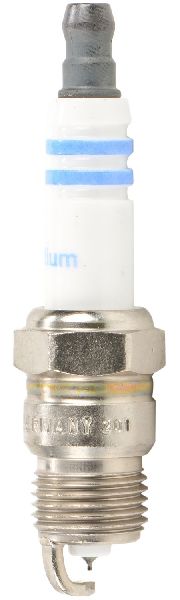
- Mid-Grade (Platinum): Brands like NGK and Bosch offer platinum plugs. These have a longer service life than copper plugs and provide a consistent spark. They are a good upgrade for daily drivers or those who want to extend the time between tune-ups.
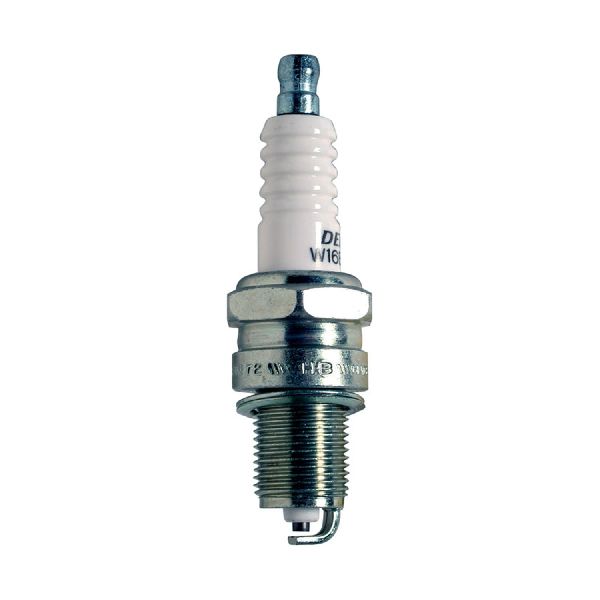
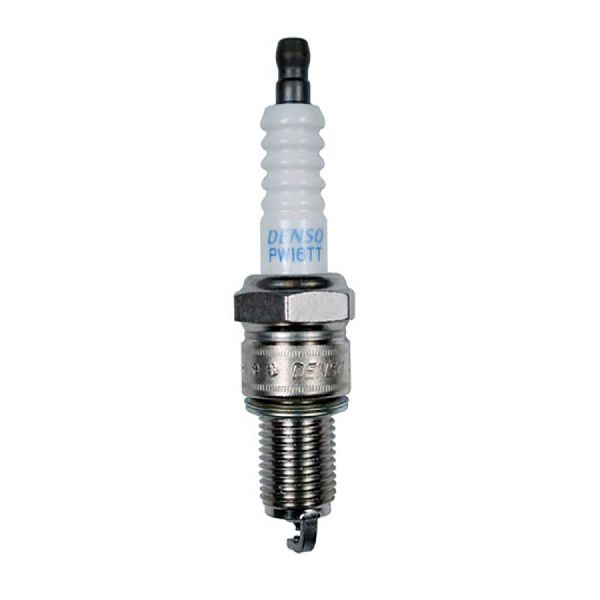
- High-Performance (Iridium): Brands such as Denso, MSD, and high-end NGK plugs use iridium for the electrode. Iridium is extremely durable and allows for a very fine electrode, which can improve spark efficiency, throttle response, and cold starting. These are best for modified engines or owners who want 🎬 Check out these top-rated spark plug options for your engine. the longest possible service life.
Pro Tip: Always Check the Gap
Even though many spark plugs come pre-gapped, it's crucial to verify the gap with a feeler gauge before installation. The correct gap for your Blazer's engine (usually between 0.035" and 0.045", depending on the ignition system) ensures the most efficient spark and combustion. An incorrect gap can lead to misfires and poor performance.
Known Issues, Recalls, or TSBs
There are no active recalls or technical service bulletins (TSBs) from the NHTSA specifically related to spark plugs for the 1969-1975 Chevrolet Blazer. This is expected for a vehicle of this age. Most issues encountered are related to normal wear, incorrect installation, or other failing ignition components. Forum discussions among owners often point to oil fouling on plugs, which is usually a symptom of worn valve stem seals or piston rings, a common issue in older engines.
| Item | Estimated Cost |
|---|---|
| New Aftermarket Spark Plugs (Full Set) | $28 - $97 |
| Shop Labor for Installation | $75 - $150 |
Common Installation Mistake: Over-tightening
When installing new plugs, thread them in by hand first to avoid cross-threading. Then, use a torque wrench to tighten them to the manufacturer's specification. Over-tightening can damage the threads in the engine's cylinder head, leading to a very expensive repair.
🎬 Avoid these common installation mistakes to protect your gas mileage.Frequently Asked Questions (FAQ)
How often should I change the spark plugs on my Blazer?
For standard copper plugs, a good interval is every 30,000 miles or every 2-3 years. If you use platinum or iridium plugs, you can extend that to 60,000 miles or more, but it's still wise to inspect them periodically.
Should I use anti-seize on the new spark plug threads?
This is a topic of debate. Some plug manufacturers, like NGK, advise against it because their plugs have a special plating that prevents seizing. Adding anti-seize can also cause you to over-torque the plug. If you do use it, apply only a very small amount to the threads, avoiding the electrode and ground strap.
What's the difference between a "hot" and "cold" spark plug?
This refers to the plug's "heat range," which is its ability to dissipate heat. A "hotter" plug retains more heat, which helps burn off carbon deposits at low speeds. A "colder" plug dissipates heat more quickly to prevent overheating and pre-ignition under heavy load or in high-performance engines. For a stock Blazer engine, always use the standard heat range recommended by the manufacturer.
Do I need special plugs if I've modified my engine?
Yes, if you have made significant modifications like adding high-compression pistons, a performance camshaft, or a different fuel system, you may need to use a colder heat range spark plug to prevent engine damage. It's best to consult with your engine builder or a performance tuning expert for a specific recommendation.
Helpful Videos
Technical Specifications
OEM Part Numbers: R44T R45TS
Engine compatibility: 250 I6, 307 V8, 350 V8, 400 V8. Common gap setting: 0.035 inches. Socket size: 5/8 inch or 13/16 inch depending on the specific plug.
We Have This Part in Stock


The information in this article is provided for general reference and educational purposes only. Vehicle specifications, procedures, and part compatibility can vary by production date, trim level, and region. Always consult your vehicle's factory service manual and verify part numbers before purchasing or performing repairs. Safety-critical components such as airbags, seat belts, and braking systems should be installed by a qualified professional.