

Choosing the Right Spark Plug Wire Set for Your 1969-1975 Ford Country Squire
Get the right spark and keep your classic Ford V8 running smoothly with the correct set of new wires.
- You MUST buy a wire set made for your specific engine (e.g., 351W, 429, 460).
- Replace wires one at a time to ensure the firing order remains correct.
- For longevity, choose a brand with silicone insulation for better heat resistance.
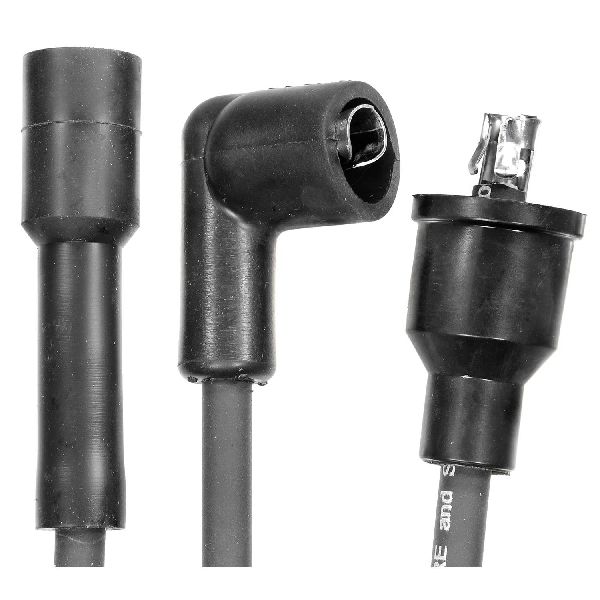
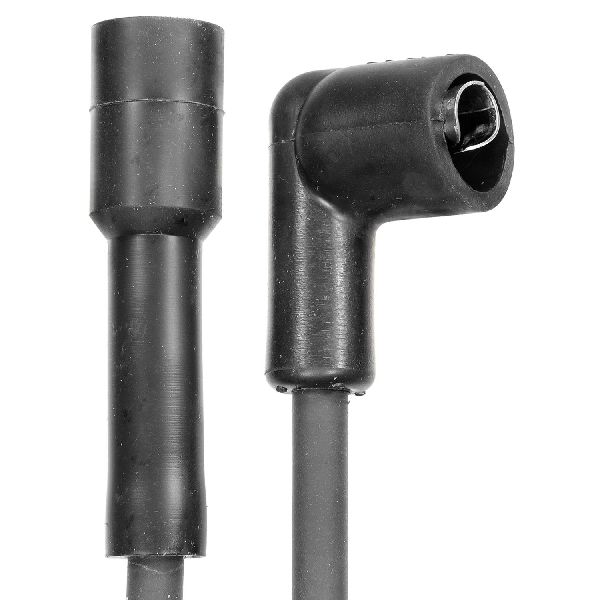
- Ensure each wire boot 'clicks' firmly onto the distributor cap and spark plug for a solid connection.
Is Your Country Squire Running Rough? It Could Be the Wires.
The spark plug wires on your 1969-1975 Country Squire live in a harsh environment. Constant heat from the big V8 engine and years of use cause the wire's protective outer layer, called the insulation, to become brittle and crack. When this happens, the electrical energy can leak out, a process called "arcing," instead of going to the spark plug. This can cause a range of noticeable problems.
Common Symptoms of Failing Spark Plug Wires:
- Rough Idle: The engine may shake or sputter when you're stopped.
- Engine Misfires: You might feel a stumble or hesitation from the engine, especially when accelerating. This happens because a cylinder isn't firing correctly.
- Poor Acceleration: The car may feel sluggish or down on power.
- Reduced Fuel Economy: If the engine isn't burning fuel efficiently, you'll notice you're filling up the tank more often.
- Difficulty Starting: Weak spark can make it harder for the engine to fire up.
- Visible Damage: A visual check may reveal cracks, melting, or burn marks on the wires or the boots that connect to the spark plugs.
Pro Tip: Check in the Dark
If you suspect your wires are bad, start the engine in a dark garage and look for a faint blue spark jumping from the wires to any metal part of the engine. This is a sure sign of leaking voltage and confirms the wires need replacement.
Choosing the Right Aftermarket Wires
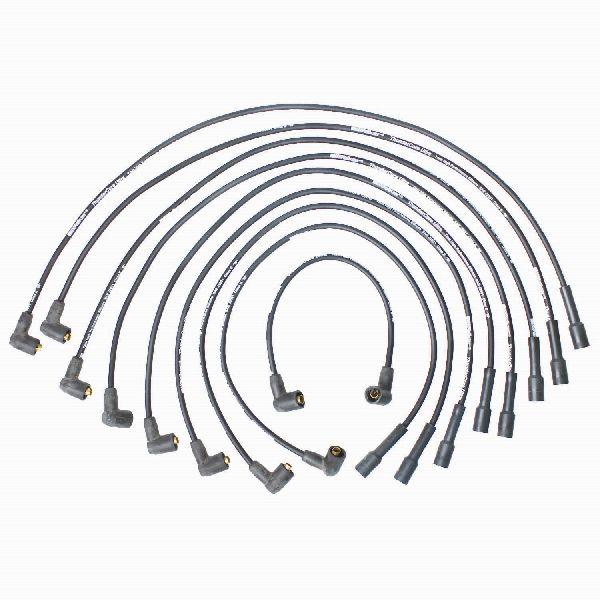
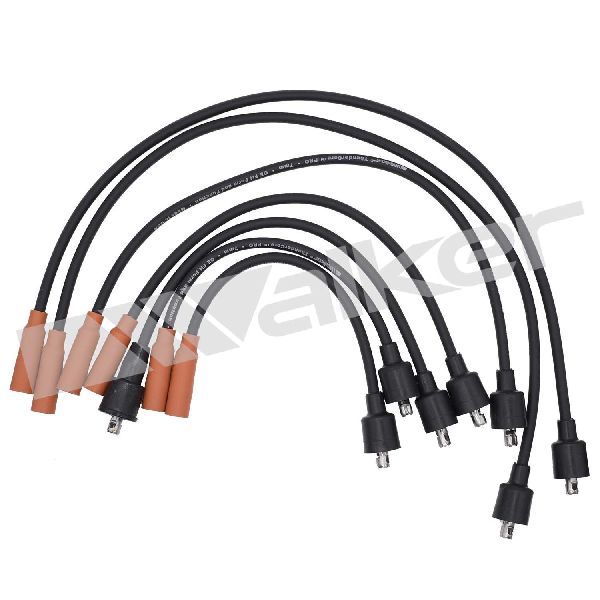
For a classic car like the Country Squire, you have several excellent aftermarket options that often outperform the original stock wires. The most important factor is choosing a set designed for your specific engine, as Ford used several different V8s during this period (like the 351, 400, 429, and 460). Wires for a 351W small-block will not fit a 460 big-block.
Brand Quality Tiers
We can group the available brands into three general categories:
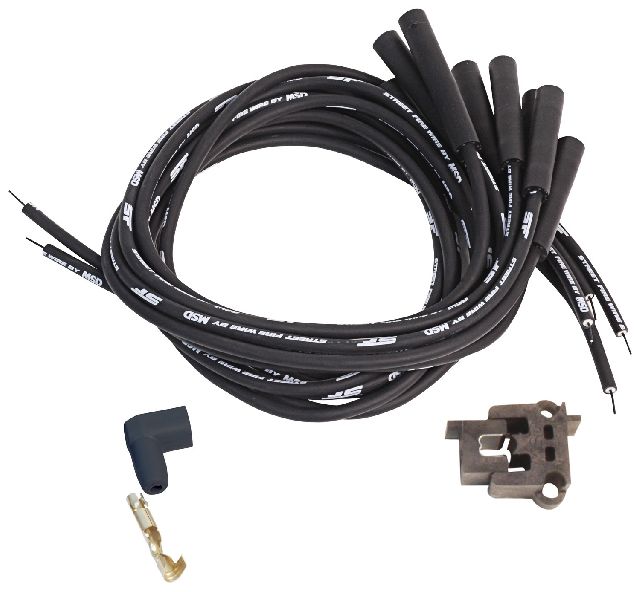
- Performance Brands (MSD, Accel, Ford Performance, Taylor Cable): These brands are focused on high performance. They typically feature thicker 8mm or 8.5mm silicone jackets for superior heat resistance and very low electrical resistance. This means more spark energy reaches the plug, which can lead to a smoother idle and better throttle response. Brands like MSD are very popular with classic Ford owners for their durability and performance.
- OEM-Quality Brands (Motorcraft, NGK, Denso, Standard): Motorcraft is Ford's original equipment brand and is always a safe, reliable choice for a stock vehicle. Brands like NGK, Denso, and Standard (Standard Wires) produce high-quality wires that meet or exceed original specifications. They offer excellent performance and durability for a daily driven or stock restoration vehicle.
- Value Brands: These are the most affordable options. While they will get the job done, they may not have the same heat-resistant silicone jackets or low-resistance cores as the premium brands. For a classic vehicle that generates significant under-hood heat, investing in a mid-grade or performance wire is often worth the small extra cost for long-term reliability.
Warning: Universal vs. Direct-Fit
Some performance wire sets are sold as "universal" kits. These require you to cut each wire to the perfect length and crimp the distributor cap terminals yourself. While this allows for custom routing, it requires a special crimping tool and some experience. For most owners, a "direct-fit" set that is pre-cut for your specific engine is the much easier and faster choice.
| Wire Type | Typical Price Range | Best For |
|---|---|---|
| Value Aftermarket | $21 - $45 | Budget-conscious repairs |
| OEM-Quality Aftermarket (e.g., Standard, NGK) | $40 - $80 | Stock restorations, daily drivers |
| Performance Aftermarket (e.g., MSD, Ford Racing) | $75 - $250+ | Modified engines, high-heat conditions, maximum durability |
Frequently Asked Questions
Do I need special tools to replace my spark plug wires?
No, for a direct-fit set, you typically don't need special tools. A good pair of pliers can help with stubborn boots. The most important technique is to replace the wires one at a time to avoid mixing up the engine's firing order. Applying a small amount of dielectric grease inside the boots can make installation easier and prevent them from getting stuck in the future.
What does wire diameter (e.g., 7mm, 8.5mm) mean?
This refers to the thickness of the wire's outer insulation. A thicker wire, like an 8.5mm performance wire, generally offers better insulation to prevent spark-jump (arcing) and provides more protection against heat and abrasion than a standard 7mm wire.
Is a lower resistance wire always better?
Generally, yes. Lower resistance means less energy is lost as electricity travels from the distributor to the spark plug. This results in a hotter, stronger spark. Performance brands like MSD and FAST pride themselves on having extremely low resistance, often measured in ohms per foot.
Are there any recalls or TSBs for my Country Squire's wires?
No, due to the age of the vehicle, there are no active recalls or Technical Service Bulletins (TSBs) from Ford or the NHTSA related to spark plug wires for the 1969-1975 model years.
Technical Specifications
Varies by engine. Key specs include wire core material (spiral wound, carbon core), insulation material (silicone, EPDM), wire diameter (typically 7mm to 8.5mm), and boot angle (straight, 45-degree, 135-degree).
We Have This Part in Stock

The information in this article is provided for general reference and educational purposes only. Vehicle specifications, procedures, and part compatibility can vary by production date, trim level, and region. Always consult your vehicle's factory service manual and verify part numbers before purchasing or performing repairs. Safety-critical components such as airbags, seat belts, and braking systems should be installed by a qualified professional.