

Spark Plug Replacement Guide for the 1969-1977 Audi 100 Series
Keep your classic Audi 100 running smoothly with the right set of new spark plugs.
- Replacing spark plugs is a simple, essential maintenance task you can do yourself in under an hour.
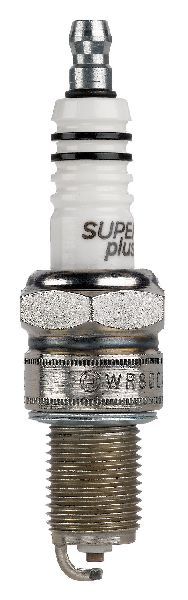
- Choose a quality aftermarket brand like Bosch or NGK; they are well-regarded for European vehicles.
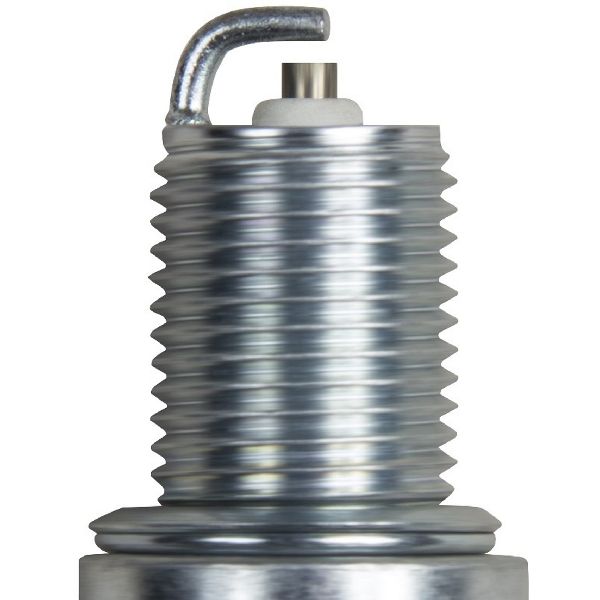
- Always check and set the spark plug gap (typically 0.7mm) before installation for optimal performance.
- Use a torque wrench to tighten plugs to the correct specification (around 25-28 Nm) to avoid damaging the engine's cylinder head.
Signs of Failing Spark Plugs in Your Audi 100
An engine from the 1970s is straightforward. When spark plugs start to fail, the signs are usually obvious. You don't have a modern computer to flash a check engine light, so you need to pay attention to how your car feels and sounds.
- Trouble Starting: Worn plugs have a hard time creating the strong spark needed to start the engine, especially when cold.
- Rough Idling: If your car shakes or the engine speed pulsates when you're stopped at a light, it could be due to inconsistent sparks.
- Engine Misfires: A misfire feels like a stumble or hesitation from the engine while you're driving. This happens when a plug fails to ignite the fuel in its cylinder.
- Worse Fuel Economy: When plugs don't fire efficiently, your engine has to work harder and burns more gasoline to produce the same amount of power.
- Sluggish Acceleration: If your Audi feels weak or slow to respond when you press the gas pedal, worn-out spark plugs could be the cause.
Choosing the Right Aftermarket Spark Plugs
For a classic car like the 1969-1977 Audi 100, original equipment (OEM) spark plugs can be hard to find. Luckily, many excellent aftermarket brands are available that meet or exceed the original specifications. The most important thing is to use the correct plug for your engine; fancy materials like iridium aren't always better for vintage engines. Simple, reliable copper or nickel plugs often work best.
Aftermarket Brand Tiers
| Tier | Brands | Quality & Notes |
|---|---|---|
| Top Tier (OEM Equivalent) | Bosch, NGK | Bosch is a German brand and was a likely original supplier for Audi. NGK is a highly respected Japanese brand known for quality and reliability. Both are excellent choices and often preferred by Audi owners. |
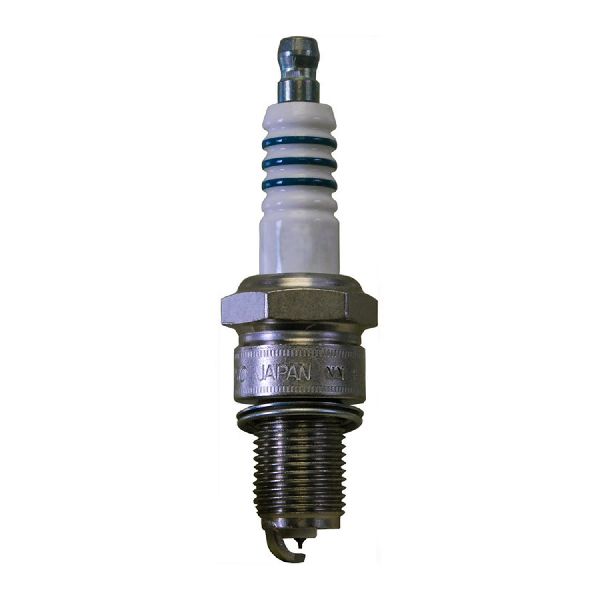
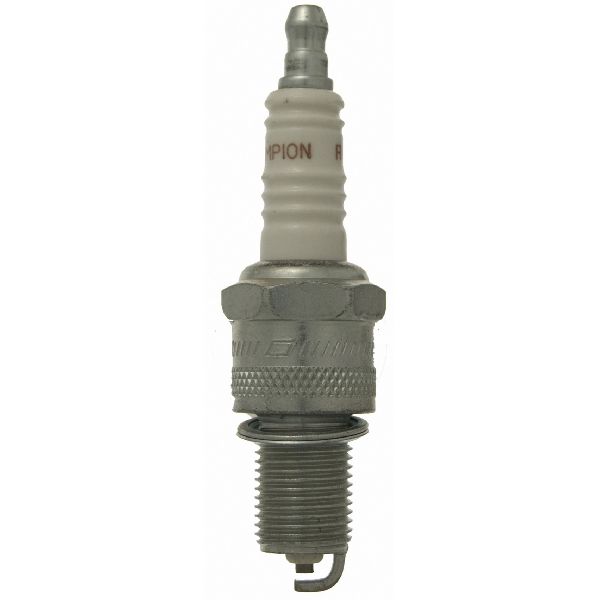
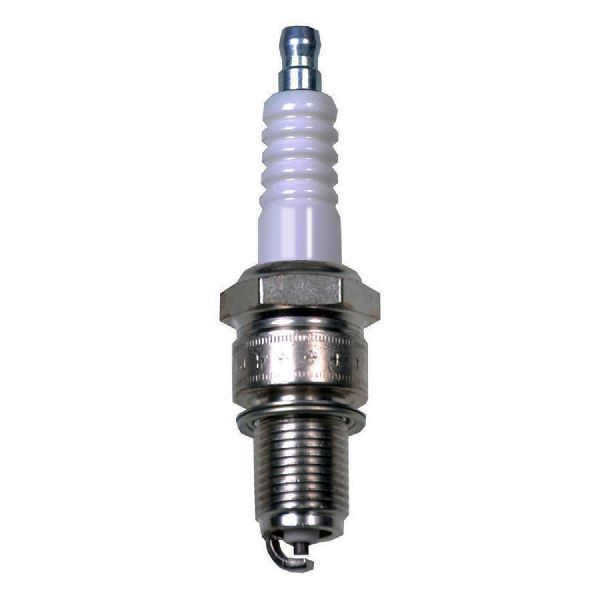
| Mid-Grade | Denso, Champion | Denso is another high-quality Japanese manufacturer known for durability. Champion is a well-known American brand that produces reliable plugs. These are solid, dependable options. |
| Economy | Autolite | Autolite offers a good balance of performance and value. They are a budget-friendly choice that will get the job done for daily driving and regular maintenance. |
A Note on Plug Materials
Your Audi 100 was designed for standard copper or nickel spark plugs. While modern plugs made of platinum or iridium last longer, they may not provide the optimal spark for your vintage ignition system. Sticking with a quality copper or nickel plug from a reputable brand like Bosch or NGK is a safe and effective choice.
Known Issues, Recalls, or TSBs
Searches for official recalls or Technical Service Bulletins (TSBs) from the National Highway Traffic Safety Administration (NHTSA) did not find any issues specifically related to spark plugs for the 1969-1977 Audi 100. Any major recalls for Audi vehicles from this era or later tend to focus on issues like airbags, not routine maintenance parts like spark plugs.
Frequently Asked Questions (FAQ)
How often should I change the spark plugs on my Audi 100?
For a classic car using standard copper or nickel spark plugs, a good rule of thumb is to inspect them every 15,000 miles and replace them every 30,000 miles. This ensures your ignition system stays in top shape.
Do I need to gap the new spark plugs?
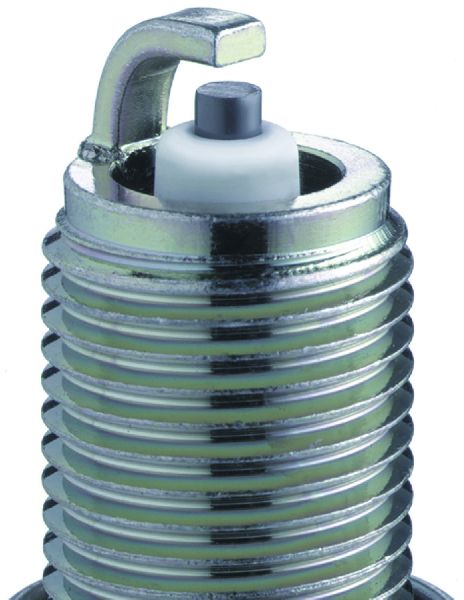
Yes. Gapping is critical. The "gap" is the small space between the center and ground electrodes. For the Audi 100, this is typically set to 0.7mm or 0.8mm. An incorrect gap can cause misfires and poor performance. Always check the gap with a feeler gauge and adjust it before installation.
Is replacing the spark plugs a difficult job?
No, this is a great DIY job for beginners. The engine bay on the Audi 100 is relatively open, and the plugs are easy to access. You will need a spark plug socket, a ratchet, and a torque wrench. The entire job can usually be done in under an hour.
Should I use anti-seize on the new spark plug threads?
Yes, applying a small amount of anti-seize lubricant to the threads of the new plugs is a good practice. This prevents the plugs from getting stuck (seizing) in the aluminum cylinder head, which can make them very difficult to remove in the future.
Technical Specifications
OEM Part Numbers: 101000002AB
Thread Size: M14x1.25, Thread Length: 19mm, Spanner Size: 21mm (or 20.8mm), Electrode Gap: 0.7mm - 0.8mm.
We Have This Part in Stock

The information in this article is provided for general reference and educational purposes only. Vehicle specifications, procedures, and part compatibility can vary by production date, trim level, and region. Always consult your vehicle's factory service manual and verify part numbers before purchasing or performing repairs. Safety-critical components such as airbags, seat belts, and braking systems should be installed by a qualified professional.