

Chrysler 300 Power Steering Pump Guide: 1969-1977 Models
Address steering whine and stiffness by understanding how to choose the right replacement power steering pump for your classic Chrysler 300.
- Most available aftermarket pumps for this vehicle are remanufactured; brand new units are rare.
- Before installing a new pump, you must flush the entire power steering system to remove old fluid and contaminants.
- Properly bleeding the air out of the system after installation is critical to prevent noise and damage to the replacement pump.
- There are no NHTSA safety recalls for the power steering system on the 1969-1977 Chrysler 300.
Is Your Power Steering Pump Failing?
A failing power steering pump on a classic Chrysler 300 gives clear warning signs. Ignoring them can lead to a complete loss of steering assist. Be aware of these common symptoms:
- Whining or Groaning Noises: A constant whine that gets louder when you turn the steering wheel is the most common sign of a failing pump. This is often caused by low fluid levels, air in the system, or internal wear.
- Stiff Steering: If turning the wheel suddenly feels like a workout, the pump is likely not producing enough pressure to assist you. This can be intermittent at first but will worsen over time.
- Fluid Leaks: Puddles of reddish or pinkish fluid under the front of your car indicate a leak in the power steering system. While hoses can leak, the pump itself is a common source.
Choosing the Right Aftermarket Pump: New vs. Remanufactured
For a vehicle from the 1969-1977 model years, finding a brand-new Original Equipment Manufacturer (OEM) power steering pump is nearly impossible. The market primarily consists of aftermarket parts, which are usually remanufactured units.
What is a Remanufactured Part? A remanufactured pump is an original pump (a "core") that has been disassembled, cleaned, inspected, and rebuilt with new seals, O-rings, and any other components that failed or are known to wear out. Brands like Cardone and BBB Industries are common providers of these parts.
Aftermarket Brand Considerations
| Brand | General Reputation | Notes for Chrysler 300 Owners |
|---|---|---|
| Cardone (A1 Cardone) | Budget-friendly, widely available. Forum reviews are often mixed, with some users reporting premature failures or leaks out of the box. | Often the most accessible option. Quality can be "hit or miss." It is critical to inspect the part upon arrival and understand the warranty policy. A lifetime warranty is sometimes offered on their new parts, with a shorter warranty on remanufactured ones. |
| BBB Industries | Generally seen as a competitor to Cardone, with a similar position in the market. Some sources suggest the two companies may be related. | Considered a viable alternative. Like any remanufactured part, quality can vary. Always flush the entire steering system with fresh, correct-spec fluid to give the new pump the best chance at a long life. |
Pro Tip: Before installing any replacement pump, it is essential to flush all the old fluid and any metal shavings from the steering system. Contaminated fluid is a primary cause of premature failure in new and remanufactured pumps.
Power Steering Pump Replacement Cost for 1969-1977 Chrysler 300
The cost to replace your power steering pump will depend on the part you choose and labor rates in your area. Below are typical cost ranges.
| Item | Estimated Cost |
|---|---|
| New OEM Pump | Not Available |
| New/Remanufactured Aftermarket Pump | $84 - $351 |
| Shop Labor | $200 - $400 |
| Total Estimated Cost | $284 - $751 |
Note: Prices are estimates and can vary based on location, supplier, and the specific part chosen. Many remanufactured parts require a "core charge" which is refunded when you return your old pump.
Frequently Asked Questions (FAQ)
Is replacing the power steering pump a difficult DIY job?
For a mechanic with some experience, it is a manageable job that takes 2-3 hours. However, it can be messy and requires special tools, like a pulley remover and installer kit. The most critical and often mishandled step is properly bleeding all the air from the system after installation. Failure to do so will cause noise and can quickly damage the new pump.
What are the most common mistakes when ordering a replacement pump?
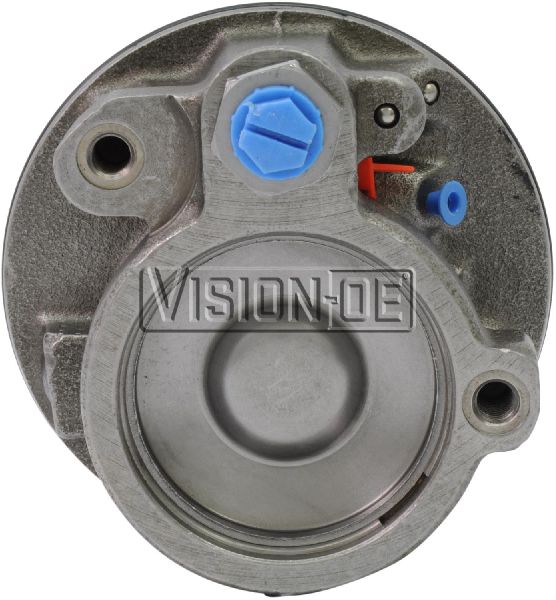
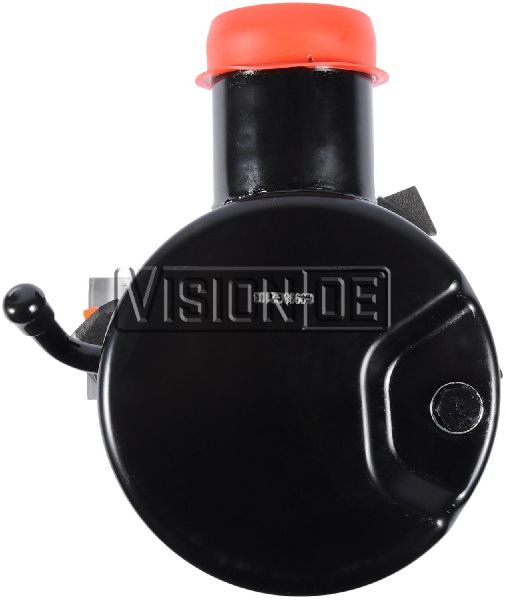
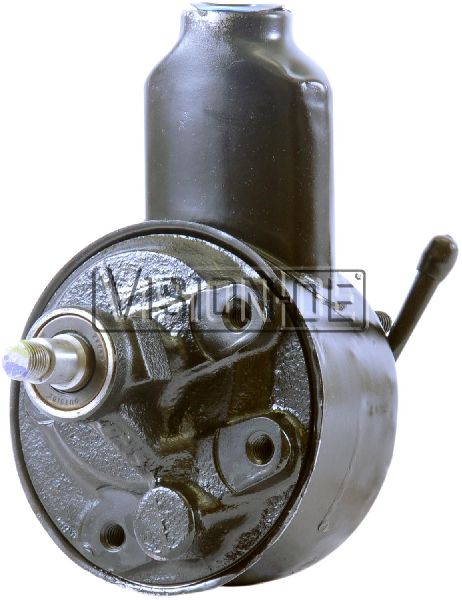
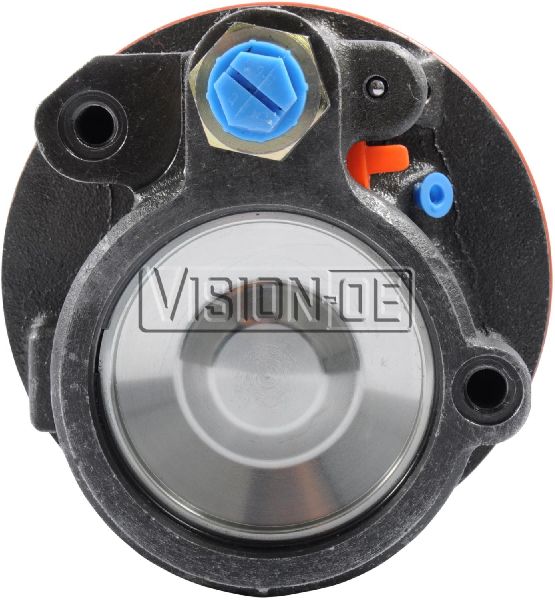
For this era of Chrysler, there were different pump designs used, most commonly from TRW or Saginaw. It's important to visually match your old pump to the new one. Pay close attention to the type of pulley attachment—some are press-on, while others use a key and woodruff key. Also, verify the orientation of the fluid ports.
What is a core charge?
Since most aftermarket pumps are remanufactured, the manufacturer needs your old, failed pump to rebuild. The core charge is a deposit you pay when you buy the part. You get this deposit back when you return your old pump to the seller.
Are there any recalls for the 1969-1977 Chrysler 300 power steering pump?
No. Searches of the National Highway Traffic Safety Administration (NHTSA) database show no open or past recalls specifically for the power steering pump or system on the 1969-1977 Chrysler 300. Any failures are due to the age and wear of the components.
Technical Specifications
Common pump types for this era are TRW and Saginaw. It is crucial to verify if your vehicle uses a press-on or keyed pulley, as well as the clocking position of the high-pressure and return hose ports before ordering.
We Have This Part in Stock

The information in this article is provided for general reference and educational purposes only. Vehicle specifications, procedures, and part compatibility can vary by production date, trim level, and region. Always consult your vehicle's factory service manual and verify part numbers before purchasing or performing repairs. Safety-critical components such as airbags, seat belts, and braking systems should be installed by a qualified professional.