

A Practical Guide to the Alternator on Your 1969-1977 Ford Custom 500
Keep your classic Ford's electrical system healthy by understanding how to spot a failing alternator and choose the right replacement.
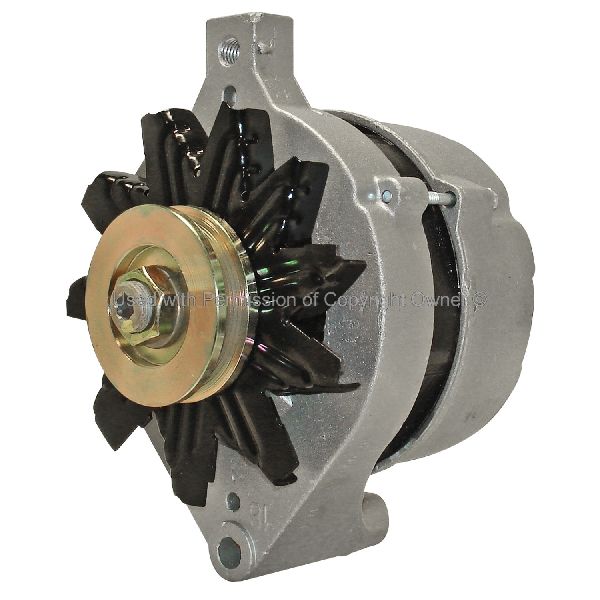
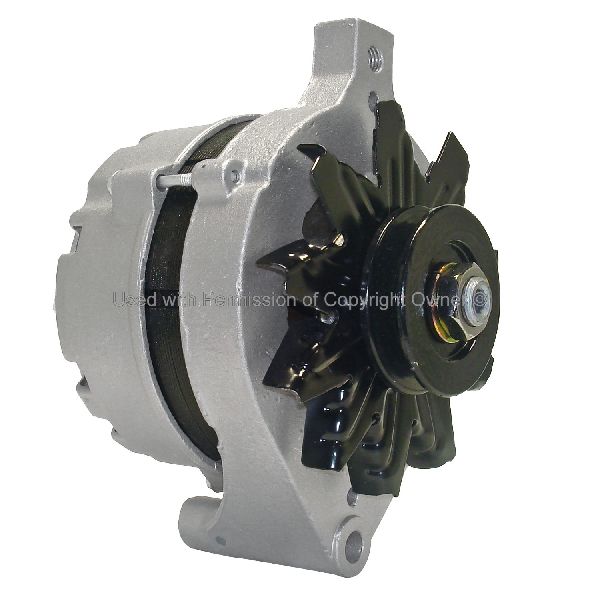
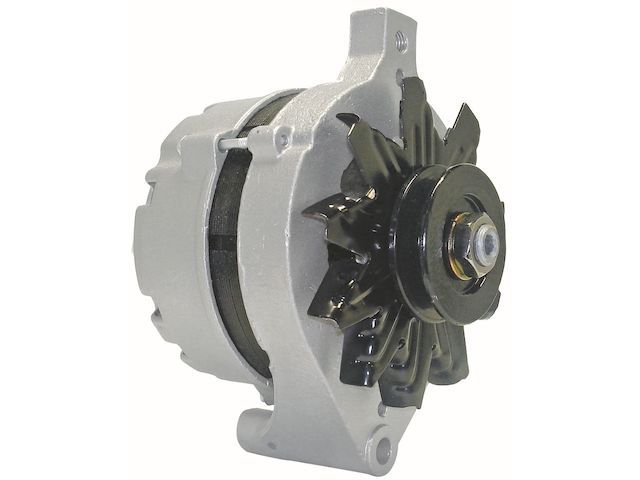
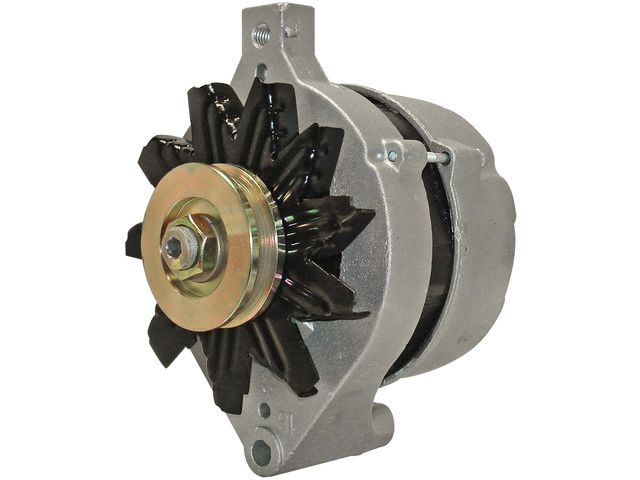
- Your Custom 500 uses an externally regulated 1G style alternator; ensure your replacement is the same type.
- Symptoms like dimming lights, a dead battery, and whining noises are strong indicators of a failing alternator.
- Replacing the alternator is a simple, one-hour job that is very feasible for a DIY mechanic.
- Consider replacing the external voltage regulator at the same time for a complete and reliable repair.
Is Your Alternator Failing? Common Symptoms
When the alternator in your Custom 500 starts to go bad, it gives you several warning signs. Because this part powers the entire electrical system, the symptoms are usually easy to spot.
- Dimming or Flickering Lights: Headlights and dashboard lights that dim, flicker, or change brightness as you speed up or slow down are a classic sign of a weak alternator.
- Battery Warning Light: A light on your dashboard shaped like a battery or labeled "ALT" or "GEN" means the system is not charging correctly.
- Weak or Dead Battery: The alternator is supposed to recharge your battery while you drive. If you find yourself needing frequent jump-starts, the alternator is likely the culprit.
- Slow or Malfunctioning Accessories: Electrical features like the radio, windshield wipers, or power windows may work slowly or not at all if the alternator can't provide enough power.
- Strange Noises: A whining, grinding, or squealing sound coming from the front of the engine can indicate failing bearings or a slipping belt on the alternator.
- Engine Stalling or Hard Starts: The ignition system needs electricity to run. A failing alternator can cause the engine to run poorly or stall, and a drained battery will make it hard to start the car.
OEM vs. Aftermarket Quality
For a vehicle like the 1969-1977 Custom 500, finding a brand-new Original Equipment (OEM) alternator from Ford is no longer possible. The market consists almost entirely of new and remanufactured aftermarket parts. For a straightforward, externally regulated alternator like this, a quality aftermarket unit provides reliable performance for daily driving. Brands like Bosch have a strong reputation and were even original equipment suppliers for some Ford parts. Other brands such as Remy and ACDelco are also well-regarded in the aftermarket space. The key is to buy from a reputable manufacturer rather than the cheapest option available, as poor-quality internal components can lead to premature failure.
Choosing the Right Aftermarket Alternator
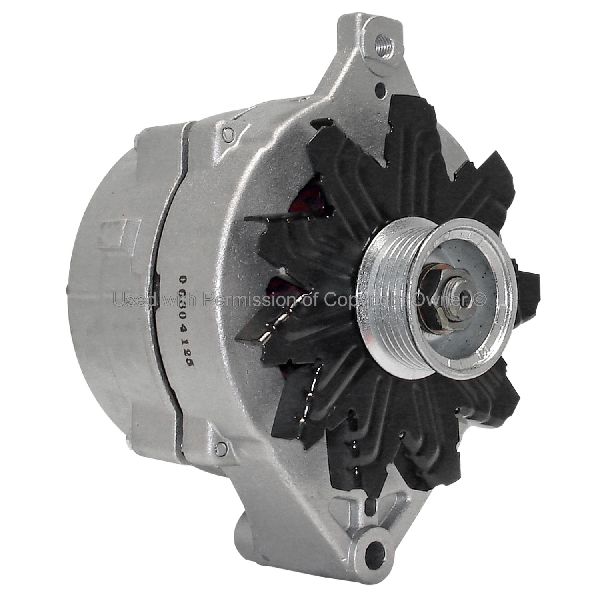
When shopping for a replacement, the most important factor is ensuring it's the correct style for your vehicle. Your Custom 500 uses a Ford 1G, externally regulated alternator. Do not purchase an internally regulated model unless you plan on rewiring your car.
Pay attention to the amperage rating. Stock alternators for this era were typically in the 70-75 amp range. If your car is stock, a replacement with a similar amperage is sufficient. If you have added modern accessories like a powerful stereo or extra lighting, consider a higher-amperage unit to handle the extra electrical load.
Among the available brands:
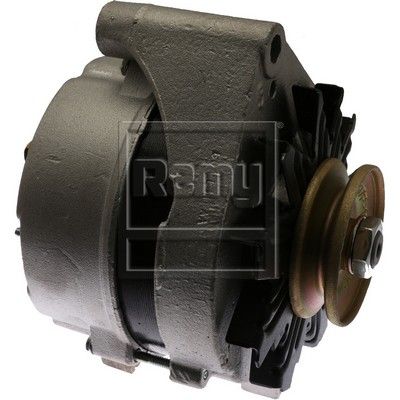
- Good Quality: Brands like Remy and ACDelco have a long history and are generally considered reliable choices in the aftermarket.
- Good Value: BBB Industries and DB Electrical often provide a good balance of price and performance for standard applications.
- Performance-Oriented: Proform often caters to users looking for higher output and a customized look.
There is less independent data available for brands like MPA and USA Industries, so it is best to rely on seller reputation and warranty coverage when considering them.
Estimated Replacement Costs
The cost to replace the alternator on a 1969-1977 Custom 500 is relatively low compared to modern vehicles. The part itself is affordable, and the job is simple enough for a short amount of labor time at a shop.
| Item | Estimated Cost |
|---|---|
| New Aftermarket Alternator | $45 - $125 |
| Shop Labor | $100 - $180 |
| Total Estimated Cost | $145 - $305 |
Frequently Asked Questions
Can I replace the alternator myself?
Yes, this is a very DIY-friendly job for a beginner or intermediate mechanic. The alternator is usually easy to access at the top front of the engine. The process involves disconnecting the battery, loosening the drive belt, removing a few bolts and electrical connections, and then swapping the part. The entire job can typically be done in about an hour with basic hand tools.
Do I have an internally or externally regulated alternator?
All 1969-1977 Ford Custom 500 models came from the factory with an externally regulated alternator. This means there is a separate voltage regulator module mounted elsewhere in the engine bay, usually on the radiator support. You must use an externally regulated replacement unless you perform a wiring conversion.
Should I replace the voltage regulator at the same time?
It's a good idea, especially given the age of the vehicle. The voltage regulator can fail and cause charging problems that might seem like a bad alternator. Since the regulator is an inexpensive part, replacing it along with the alternator is good preventive maintenance and helps ensure the entire charging system is reliable.
What is a "1-wire" alternator and should I get one?
A 1-wire alternator is a modification that uses a modern, internally regulated alternator and simplifies the wiring down to a single wire connected to the battery. While this is a popular upgrade for classic cars, it requires changing your factory wiring. This guide focuses on direct-fit, externally regulated alternators that work with your car's original wiring harness.
Technical Specifications
Style: Ford 1G Regulation: External Common Amperage: 70-75 Amps Pulley Type: Single V-Groove
We Have This Part in Stock

The information in this article is provided for general reference and educational purposes only. Vehicle specifications, procedures, and part compatibility can vary by production date, trim level, and region. Always consult your vehicle's factory service manual and verify part numbers before purchasing or performing repairs. Safety-critical components such as airbags, seat belts, and braking systems should be installed by a qualified professional.