

Ford Custom 500 Engine Coolant Bypass Hose Replacement Guide (1969-1977)
Keep your classic Ford's engine safe by understanding this small but critical cooling system hose.
- A failing bypass hose will cause coolant leaks, overheating, or a sweet smell from the engine bay.
- New aftermarket hoses from brands like Gates, Continental, or Dayco are the only reliable replacement option for this classic vehicle.
- Replacement is a simple DIY job for most owners, but ensure the hose fittings are clean and clamps are tight to prevent leaks.
- While replacing the bypass hose, it is wise to inspect and likely replace the main radiator and heater hoses as well.
Is Your Engine Coolant Bypass Hose Failing?
On a classic car like the Ford Custom 500, rubber parts like hoses wear out over time. Heat and age cause the rubber to crack, swell, and weaken. A failure in this small hose can lead to big engine problems. Here are the signs to watch for.
Symptoms of a Bad Bypass Hose
- Coolant Leaks: This is the most common sign. You might see small drips or a puddle of green, yellow, or orange fluid under the front of your engine. The leak might only happen when the engine is hot.
- Sweet Smell: Leaking coolant has a distinct sweet, syrupy smell. You may notice this smell from the engine bay even before you see a leak.
- Engine Overheating: If the hose leaks enough coolant, your engine's temperature gauge may climb into the red. Driving with low coolant can cause serious and permanent engine damage.
- Low Coolant Level: You may find yourself needing to add coolant to the radiator or overflow tank often. This indicates a leak somewhere in the system.
- Visible Hose Damage: Look at the hose itself. If it feels mushy, spongy, or rock-hard and brittle, it needs to be replaced. Also look for cracks, splits, or bulging, especially near the clamps.
Don't Ignore a Coolant Leak
A small drip can turn into a burst hose without warning. A sudden loss of coolant can cause your engine to overheat and fail in minutes, leading to very expensive repairs.
Choosing the Right Aftermarket Hose
For a 1969-1977 Ford Custom 500, finding a new original Ford (OEM) hose is nearly impossible. Even if you found a "New Old Stock" (NOS) part, the rubber would be decades old and unreliable. A new aftermarket hose is your best and only real option. The good news is that several reputable brands make quality replacements.
| Brand Tier | Brands | General Quality & Reputation |
|---|---|---|
| Premium Quality | Gates, Continental | Gates is often considered an OEM-equivalent supplier and is well-regarded for fit and quality on American vehicles. Continental (which now owns the Goodyear brand for auto parts) is also seen as a top-tier choice. |
| Standard Quality | Dayco | Dayco is a widely available brand that provides a reliable replacement. While some users report occasional fitment issues compared to Gates, many have used them without any problems. For a simple bypass hose, it is a perfectly acceptable choice. |
Check the Fit
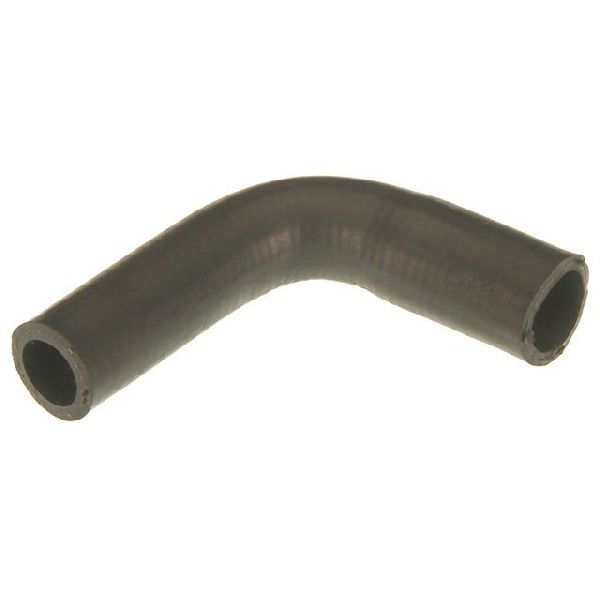
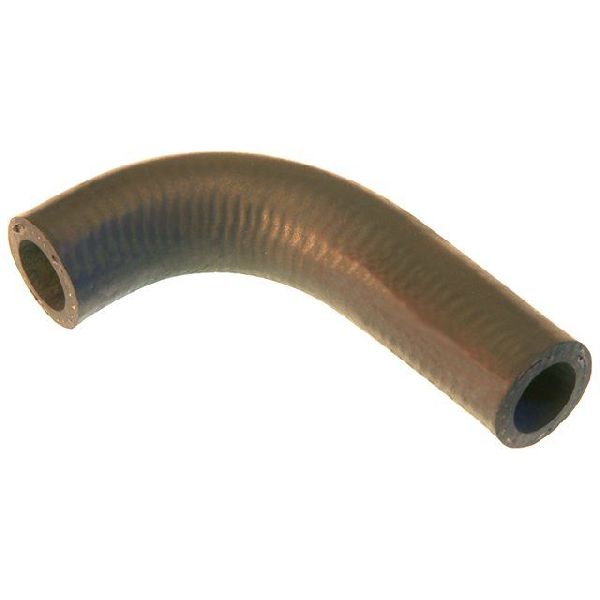
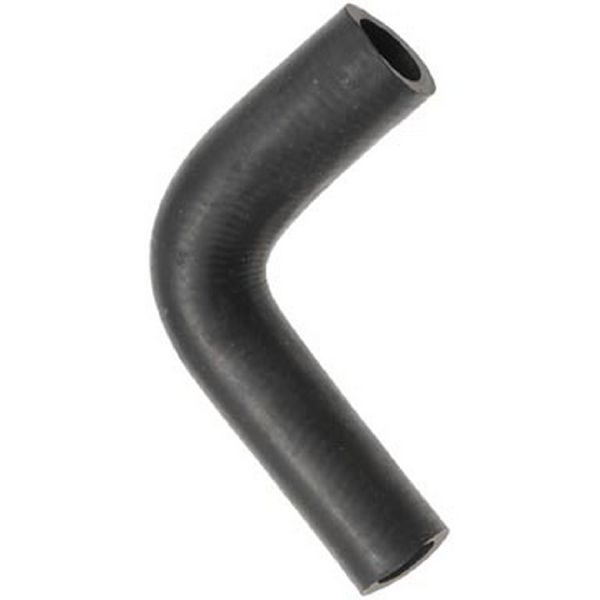
No matter which brand you choose, always compare the new hose to the old one before you start the installation. Make sure the diameter and bends match up. Most fitment problems with aftermarket hoses are related to incorrect shapes.
Frequently Asked Questions (FAQ)
Why is it called a 'bypass' hose?
It's called a bypass hose because it allows coolant to 'bypass' the radiator and thermostat when the engine is cold. This helps the engine warm up faster and more evenly.
Can I replace the bypass hose myself?
Yes, this is a job that most DIY mechanics can handle. It requires basic hand tools, a drain pan, and new coolant. Access can be tight, but the process of removing clamps and swapping the hose is straightforward.
Should I replace my other coolant hoses at the same time?
Yes, it's a great idea. If the bypass hose has failed due to age, your upper and lower radiator hoses and heater hoses are likely just as old and weak. Replacing them all at once is smart preventative maintenance and can save you from a future breakdown.
What if it still leaks after I replace the hose?
First, check that your clamps are tight enough. If they are, inspect the metal fittings on the water pump and intake manifold. These can corrode over time, creating a rough surface that prevents a good seal. You may need to clean the fittings carefully with sandpaper or emery cloth. In some cases, the leak may be from a nearby thermostat housing gasket, not the hose itself.
Technical Specifications
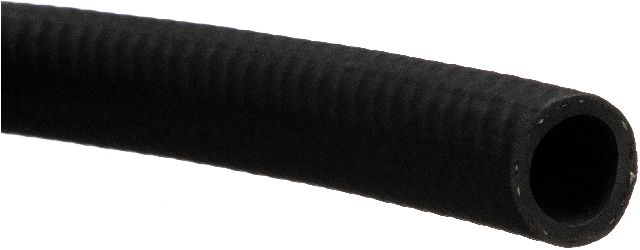
This is a molded rubber hose, often with a 90-degree bend, designed to connect the water pump to the intake manifold. It must be resistant to heat, pressure, and modern coolant formulas. Aftermarket parts are designed to meet or exceed original specifications.
We Have This Part in Stock

The information in this article is provided for general reference and educational purposes only. Vehicle specifications, procedures, and part compatibility can vary by production date, trim level, and region. Always consult your vehicle's factory service manual and verify part numbers before purchasing or performing repairs. Safety-critical components such as airbags, seat belts, and braking systems should be installed by a qualified professional.