

Choosing the Right Spark Plugs for Your 1969-1977 Ford Custom 500
Get the correct spark and keep your classic Ford running strong with the right set of new plugs.
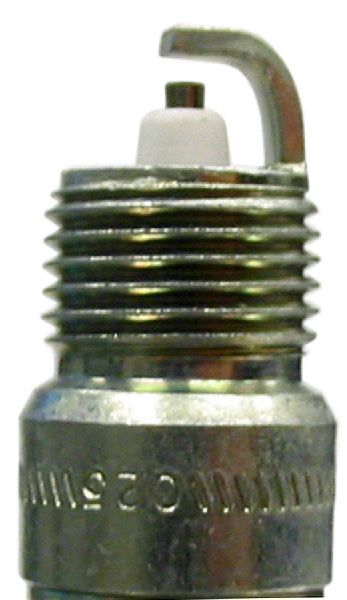
- Stick to standard copper core spark plugs from reputable brands like Autolite, Motorcraft, or NGK for best performance.
- Avoid expensive platinum or iridium plugs, as they offer no benefit and can cause issues in these older engines.
- Always verify your specific engine (302, 351, 400, etc.) before purchasing to ensure correct thread size and heat range.
- Check and set the spark plug gap with a feeler gauge before installation; do not rely on the pre-set gap.
Understanding Spark Plugs in Your Classic Ford
The spark plugs in your 1969-1977 Ford Custom 500 are a fundamental maintenance item that directly impacts how your engine performs. Unlike modern vehicles, the simple, robust ignition systems in these classic Fords work best with traditional, standard-type spark plugs. Choosing the wrong plug can lead to poor performance, so it's important to understand what your engine needs.
Symptoms of Failing Spark Plugs
Worn-out spark plugs can cause a variety of noticeable issues. If you experience any of the following, it might be time for a replacement:
- Rough Idling: The engine may shake or vibrate more than usual when stopped.
- Hard Starting: The engine may take longer to crank over before it starts, or it may fail to start at all.
- Engine Misfires: You might feel a hesitation or stumble during acceleration as a cylinder fails to fire correctly. This can sometimes trigger a check engine light on later models, but it is less common on these vehicles.
- Reduced Fuel Economy: Inefficient combustion from a weak spark means you'll be visiting the gas station more often.
- Poor Acceleration: A lack of power when you press the gas pedal can be a sign that your plugs aren't firing effectively.
Known Issues and Important Notes
Searches for official recalls or Technical Service Bulletins (TSBs) from the NHTSA for spark plugs on the 1969-1977 Ford Custom 500 did not yield any specific results. The well-known Ford spark plug issues (plugs breaking in the head or blowing out) apply to much newer engines, primarily the 3-Valve modular V8s from the mid-2000s, and are not a common concern for this vehicle's era. The most common "problem" for these classic Fords is simply using the wrong type of spark plug.
Choosing the Right Aftermarket Spark Plug
For a 1969-1977 Ford Custom 500, the original factory plugs were typically standard copper core units. When shopping for aftermarket replacements, it's best to stick with this technology. Fancy, expensive plugs with platinum or iridium tips often provide no performance benefit on these older, lower-voltage ignition systems and can sometimes run too hot or foul more easily.
Brand Tiers for Your Custom 500
Based on owner feedback and mechanic recommendations, here’s a breakdown of reliable brand choices:
- Tier 1 (Highly Recommended): Autolite & Motorcraft. Autolite was a frequent original equipment (OE) supplier for Ford, and Motorcraft is Ford's own parts brand. For these vehicles, they are the go-to choice for reliable performance that matches factory specifications. Many owners report these are the best plugs for classic Ford engines.
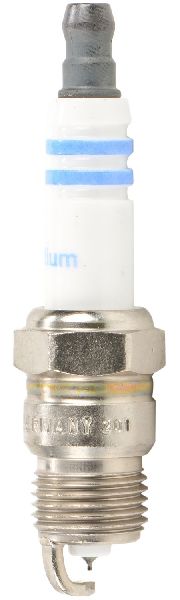
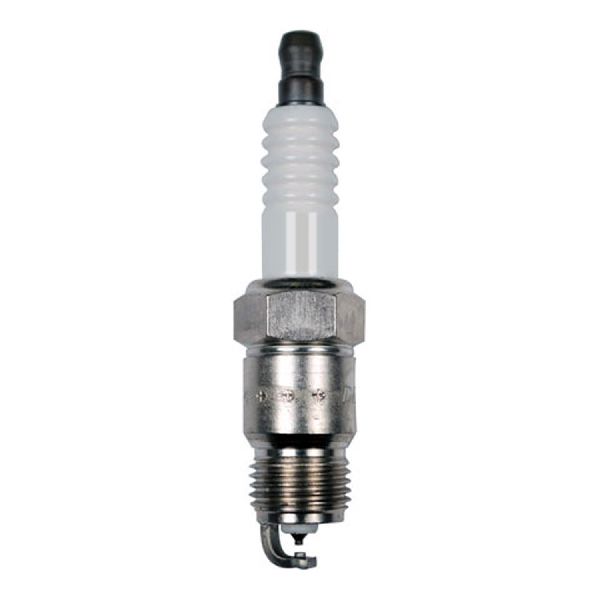
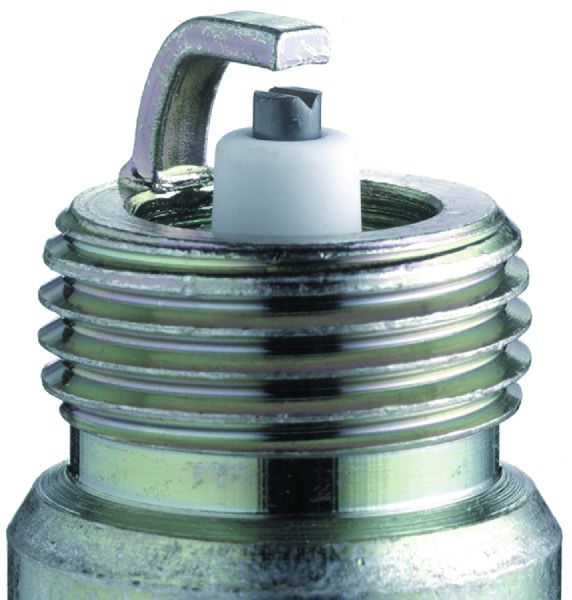
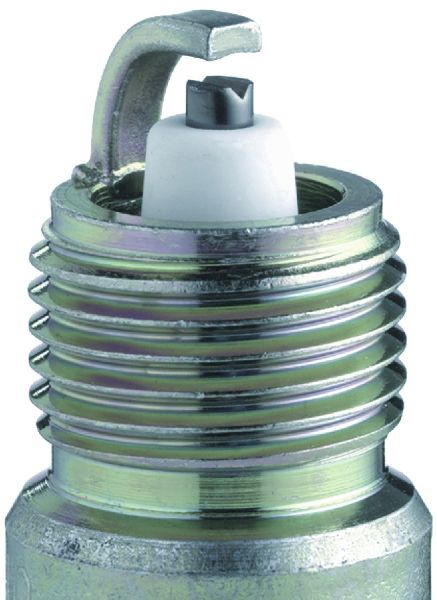
- Tier 2 (Good Quality Alternatives): NGK & Denso. Both are highly respected Japanese brands known for excellent quality control. Many owners who switch from Autolite or Motorcraft find that NGK plugs are a great alternative, offering smooth performance.
- Tier 3 (Standard & Performance): Champion, Bosch, Accel, MSD. Champion plugs were also used as original equipment in this era, but some long-time mechanics feel their quality has become less consistent over the years. Bosch offers solid, reliable plugs. Accel and MSD are geared more towards performance applications and are a good choice if you have an upgraded ignition system.
Pro Tip: Always check the spark plug gap before installation! Even if the box says they are "pre-gapped," they can be knocked out of spec during shipping. The correct gap for your specific engine is crucial. A typical gap for these engines is around 0.034-0.035 inches for points ignition, but can be wider (up to 0.045 inches) for electronic ignitions. Always consult the service manual for your specific year and engine combination.
Cost of New Aftermarket Spark Plugs
The cost to replace spark plugs on a Custom 500 is very reasonable. The parts themselves are inexpensive, and the job is straightforward for a DIYer or a professional mechanic.
| Category | Price Range |
|---|---|
| New Aftermarket Spark Plugs (per plug) | $3.03 - $12.00 |
| Shop Labor for Replacement (8 plugs) | $100 - $200 |
Frequently Asked Questions
What engine do I have and which plug is right?
The 1969-1977 Custom 500 was available with a wide range of engines, including the 302, 351W, 351C, 351M, 390, 400, 429, and 460 V8s. It is critical to identify your engine to get the correct spark plug. The right plug will have the correct thread size, reach, and heat range. Using a plug with the wrong reach, for example, can cause catastrophic engine damage. Always use a parts lookup tool based on your specific year and engine to find the exact part numbers.
Should I use platinum or iridium spark plugs?
No. For this generation of Ford V8s, it is almost universally recommended to use standard copper core spark plugs. The ignition systems are not designed for the materials used in modern plugs, and you will see no benefit. In fact, you may experience poorer performance. Stick with the basics from brands like Autolite, Motorcraft, or NGK.
How often should I change the spark plugs?
With a standard copper core plug, a good interval for these vehicles is every 15,000 to 30,000 miles, or every 2-3 years. Since it's an inexpensive and easy job, frequent changes are good preventative maintenance to keep the engine running at its best.
Do I need to use anti-seize on the threads?
This is a topic of debate. Some plug manufacturers, like NGK, pre-coat their plugs with a material that prevents seizing and advise against using additional anti-seize. If you do use anti-seize, use it very sparingly on the threads only, and be aware that it can alter torque readings, so you may need to reduce the manufacturer's specified torque by about 10-15% to avoid over-tightening.
Technical Specifications
The key specifications for spark plugs are thread diameter, thread reach, and heat range. These vary significantly depending on the specific V8 engine your Custom 500 is equipped with (e.g., 302, 351W, 351M/400, 390 FE, 429/460). It is essential to use a vehicle-specific lookup to find the correct plug for your engine.
We Have This Part in Stock


The information in this article is provided for general reference and educational purposes only. Vehicle specifications, procedures, and part compatibility can vary by production date, trim level, and region. Always consult your vehicle's factory service manual and verify part numbers before purchasing or performing repairs. Safety-critical components such as airbags, seat belts, and braking systems should be installed by a qualified professional.