

A Practical Guide to the 1969-1977 Mercury Comet Distributor Cap
Keep your classic Comet's ignition system firing on all cylinders with the right replacement distributor cap.
- A bad distributor cap will cause noticeable engine problems like misfiring, rough running, and hard starting.
- Visually inspect your cap for cracks, corrosion, or carbon tracks as a first step in diagnosis.
- Always replace the distributor rotor at the same time as the cap for a complete tune-up.
- Choose an aftermarket cap with brass terminals for better conductivity and a longer service life.
Symptoms of a Failing Distributor Cap
A distributor cap is a wear-and-tear item. Over time, the high voltage, heat, and moving parts cause it to fail. When it starts to go bad, your Comet will let you know. The signs are often straightforward and related to how the engine is running.
- Engine Misfires or Runs Rough: This is the most common sign. You might feel the engine stumbling, shaking, or hesitating during acceleration. This happens because cracks or corrosion on the cap's terminals prevent a strong spark from reaching the spark plugs.
- Hard Starting or No Start: A bad cap can make it difficult to get your engine started, especially in damp weather. Moisture can get inside a cracked cap and interfere with the spark. In severe cases, a worn-out center terminal or heavy carbon tracking can lead to an engine that cranks but refuses to start.
- Stalling and Backfiring: If the engine stalls unexpectedly or you hear backfiring from the exhaust, a broken or faulty distributor cap could be the cause. This means the spark isn't being delivered reliably, causing unburnt fuel to ignite in the exhaust.
- Visible Damage: The best way to check a cap is to look at it. Remove it and inspect for hairline cracks, corrosion (white or green crust) on the metal terminals, or black lines that look like pencil marks, which are called carbon tracks. Also, check the center button; it should be intact and springy, not worn down or stuck.
Choosing the Right Aftermarket Distributor Cap
For a vehicle like the 1969-1977 Comet, finding a new original Ford (Motorcraft) part is nearly impossible. The aftermarket is your primary source, and the quality is generally very good. The key is choosing the right material and brand for your needs.
Aftermarket Brand Tiers
| Tier | Brands | Best For |
|---|---|---|
| Performance | MSD | Owners with modified engines, high-energy ignition systems, or those who want the highest quality materials like Rynite plastic and brass terminals for maximum durability and conductivity. |
| Standard Replacement | Standard Ignition (SMP) | A reliable, trusted choice that meets or exceeds original specifications. Often available with desirable brass terminals, providing a great balance of quality and cost for a daily driver or stock restoration. |
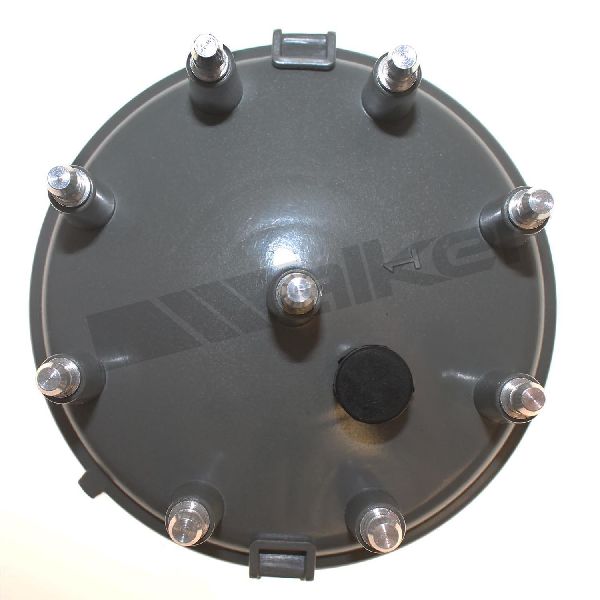
| Economy | Walker Products | A budget-friendly option for getting your Comet back on the road. While a functional replacement, they may use standard aluminum terminals which can corrode faster than brass. |
Pro Tip: Brass vs. Aluminum Terminals
Whenever possible, choose a distributor cap with brass terminals instead of aluminum. Brass is a better conductor and is far more resistant to corrosion, which means a longer life and a more reliable spark.
Distributor Cap Replacement Cost
Replacing the distributor cap is one of the more affordable maintenance jobs on a classic car. The parts are inexpensive, and the labor is minimal.
| Item | Estimated Cost |
|---|---|
| New Aftermarket Distributor Cap | $18.53 - $96.19 |
| Shop Labor | $50 - $100 |
Frequently Asked Questions
Is replacing a distributor cap a hard job to do myself?
No, this is a great DIY job for beginners. The difficulty is very low. You only need basic hand tools. The most important part is to label your spark plug wires or transfer them from the old cap to the new one, one at a time, to ensure the firing order stays correct.
Should I replace the distributor rotor at the same time?
Yes, absolutely. The rotor is the spinning part inside the cap that actually distributes the spark. It wears out just like the cap does. Rotors are inexpensive and replacing both at the same time is considered a standard part of a tune-up.
What's the difference between a clip-on and a screw-down cap?
It simply refers to how the cap attaches to the distributor body. Some use clips that you pry off, while others are held on by screws. Your Comet will have one or the other. Make sure the new cap you buy matches the attachment style of your old one.
Are there any recalls or bulletins for the Comet distributor cap?
No, there are no recalls or Technical Service Bulletins (TSBs) from Ford or the NHTSA specifically for the distributor cap on the 1969-1977 Mercury Comet. Issues with this part are related to normal wear and tear.
Technical Specifications
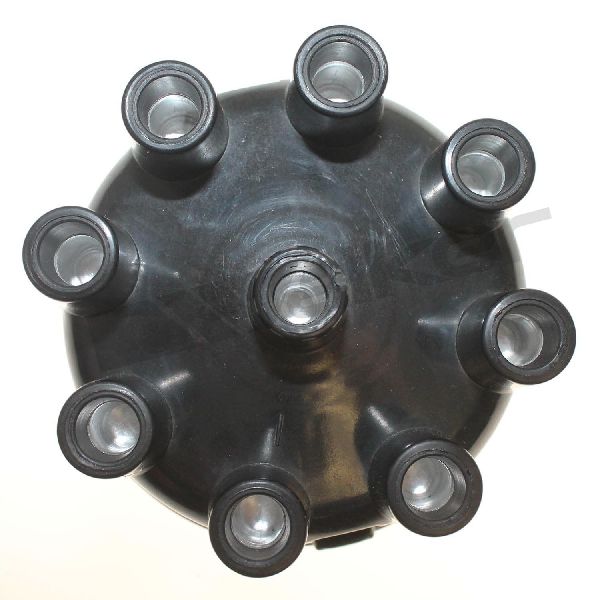
Varies by engine (6-cylinder vs. V8) and ignition type (points vs. electronic). Ensure you select the correct cap style (clip-on vs. screw-down) and terminal type (male vs. female posts) for your specific distributor.
We Have This Part in Stock


The information in this article is provided for general reference and educational purposes only. Vehicle specifications, procedures, and part compatibility can vary by production date, trim level, and region. Always consult your vehicle's factory service manual and verify part numbers before purchasing or performing repairs. Safety-critical components such as airbags, seat belts, and braking systems should be installed by a qualified professional.