

Choosing the Right Spark Plugs for Your 1969-1978 Ford Mustang
Get the right spark for your classic Mustang's engine, whether it's a Windsor, Cleveland, or a Mustang II powerplant.
- Match the spark plug to your Mustang's specific engine (e.g., 302, 351C, 2.3L).
- For most stock engines, standard copper plugs from Autolite, Motorcraft, or NGK are the best and most cost-effective choice.
- Always check and adjust the spark plug gap before installation using a gapping tool.
- Black, fouled spark plugs often indicate a separate problem, such as an out-of-tune carburetor or an oil leak.
Symptoms of Failing Spark Plugs
Worn-out spark plugs can cause a variety of noticeable engine problems. Because these classic Mustangs rely on a strong, consistent spark, even minor plug issues can affect performance. Look out for a rough idle, where the engine shakes or feels uneven at a stop. You might also experience hesitation or stumbling during acceleration, a clear sign of an engine misfire. Other common symptoms include a decrease in fuel economy, difficulty starting the engine, and a general feeling of sluggishness. 🎬 Watch a spark plug inspection on a 1973 Mach 1. In many cases on these older cars, fouled spark plugs are a symptom of another issue, like an improperly tuned carburetor running too rich or an engine that is burning oil.
Choosing the Right Aftermarket Spark Plug
The single most important factor when choosing a spark plug is matching it to your specific engine. The 1969-1978 period saw a wide range of engines, from inline-sixes (170, 200, 250ci), the Mustang II's 2.3L four-cylinder and 2.8L V6, and numerous V8s like the 302 Windsor, 351 Windsor, and 351 Cleveland. Each has different requirements.
Brand & Material Tiers
For a classic Mustang, newer doesn't always mean better. Expensive platinum or iridium plugs, designed for modern engines with 100,000-mile service intervals, are often not the best choice and can sometimes cause issues.
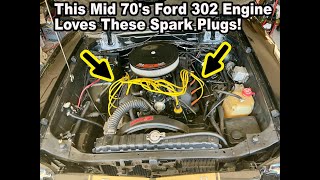
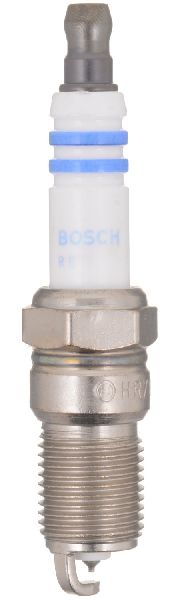
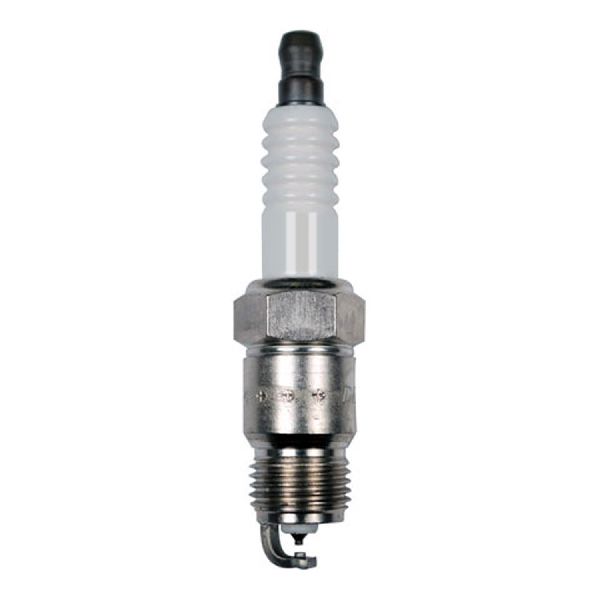
- Standard & OEM-Style (Best for Stock Engines): For a stock or lightly modified engine, standard copper-core spark plugs are the most reliable and appropriate choice. They are excellent conductors of electricity and are what these ignition systems were designed for. Brands like Motorcraft (Ford's own brand), Autolite, and standard copper NGK or Denso plugs are all excellent choices that provide strong performance. Many Mustang owners have great success with these affordable and effective options. 🎬 See which spark plugs and wires work best for Mustangs.
- Performance & Modified Engines: If your Mustang has significant engine modifications like higher compression, a performance camshaft, or a different fuel system, you may need a 'colder' spark plug to handle the extra heat. Brands like Accel and MSD specialize in performance ignition components. Performance lines from NGK or Bosch may also be suitable, but it's crucial to select the correct heat range for your specific setup.
Pro Tip: Gapping is Not Optional
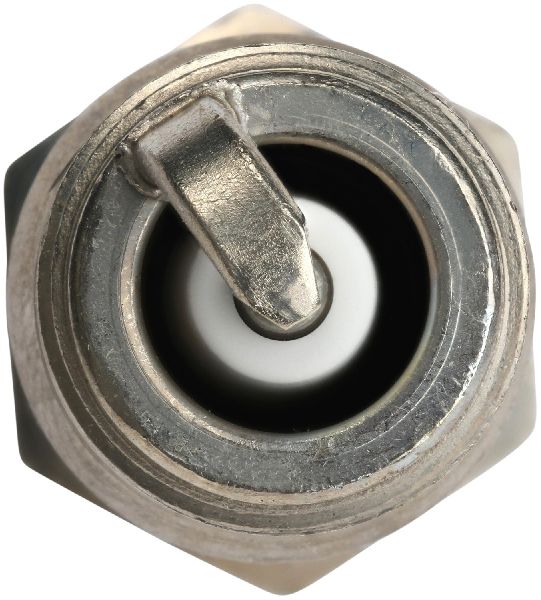
Always check the spark plug gap before installation using a gap tool. The correct gap ensures the strongest possible spark. This specification can vary based on your engine and ignition system, so consult a service manual for the correct setting (a common starting point is around .035" for points ignition and .044" for electronic ignition).
Cost of New Aftermarket Spark Plugs (1969-1978 Mustang)
| Category | Price Range (Single Plug) | Price Range (Set of 8) |
|---|---|---|
| Standard Copper (Autolite, NGK, Motorcraft) | $3 - $6 | $24 - $48 |
| Performance/Specialty (Accel, MSD, some Bosch) | $7 - $20+ | $56 - $160+ |
| Iridium/Platinum (Generally not recommended) | $8 - $25+ | $64 - $200+ |
Frequently Asked Questions
How often should I change spark plugs on my classic Mustang?
For standard copper spark plugs used in these vehicles, a good interval is every 10,000 to 20,000 miles, or every couple of years. This is much more frequent than modern cars, but it's essential for maintaining performance in older ignition systems.
What is a spark plug 'heat range'?
The heat range is a measure of how quickly the spark plug dissipates heat from its firing tip. A 'cold' plug transfers heat quickly and is used in high-performance, high-temperature engines. A 'hot' plug transfers heat more slowly, which helps it stay hot enough to burn off carbon deposits in lower-speed or stock engines. Using the wrong heat range can lead to plug fouling (too cold) or engine damage (too hot).
Do I need expensive iridium or platinum plugs?
For the vast majority of 1969-1978 Mustangs, the answer is no. These plugs are designed for modern high-energy ignition systems and long life. The ignition systems in classic Mustangs perform best with standard copper-core plugs, which provide excellent conductivity at a much lower cost.
Should I use anti-seize on the spark plug threads?
This is a topic of debate, but many mechanics recommend using a very small amount of high-temperature nickel anti-seize on the threads when installing plugs into aluminum cylinder heads to prevent them from getting stuck. However, be careful not to get any on the electrode or insulator. Some plug manufacturers, like NGK, advise against it as their plug coatings already have anti-seize properties.
Helpful Videos
Technical Specifications
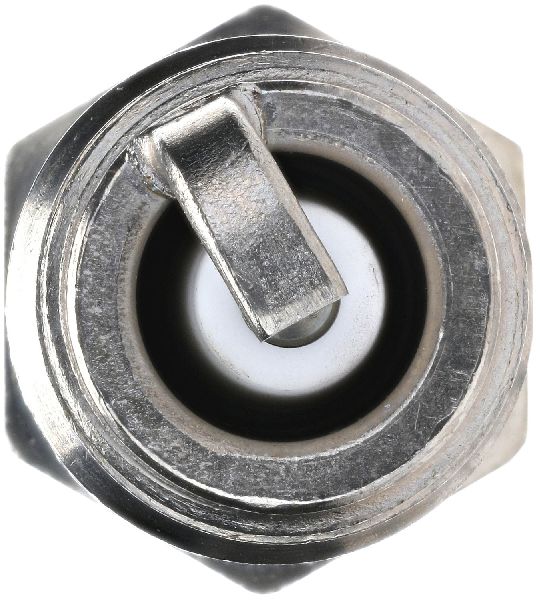
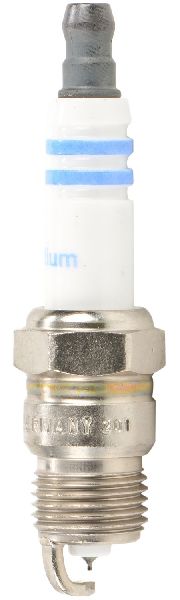
OEM Part Numbers: ARF42 AGRF52 BF42 ASF42C
Engine-specific. Key variables include thread size (commonly 14mm or 18mm), seat type (tapered or gasket), and heat range. Material is typically a copper core for this era.
We Have This Part in Stock


The information in this article is provided for general reference and educational purposes only. Vehicle specifications, procedures, and part compatibility can vary by production date, trim level, and region. Always consult your vehicle's factory service manual and verify part numbers before purchasing or performing repairs. Safety-critical components such as airbags, seat belts, and braking systems should be installed by a qualified professional.