

Oldsmobile Cutlass Speedometer Cable Replacement Guide (1969-1979)
Fix your bouncing speedometer needle and get an accurate speed reading in your classic Cutlass.
- A bouncing needle is the most common sign of a failing speedometer cable and is usually fixed by lubricating or replacing the cable.
- Before ordering, you must verify if your Cutlass has cruise control and whether the cable is a push-on or screw-on type at the speedometer.
- Aftermarket cables are the main option; choose a standard brand like ATP for budget repairs or a premium cut-to-fit brand like Lokar for custom or high-performance use.
- Properly lubricating the new inner cable with graphite-based grease before installation is essential for a long service life.
Is Your Cutlass Speedometer Acting Up?
A faulty speedometer cable is one of the most common issues for a classic Oldsmobile Cutlass. Because it's a mechanical part with a spinning inner core, it wears out over time. The most frequent complaint from owners is a bouncing or wobbling speedometer needle, especially at lower speeds. This happens when the old, dry grease inside the cable sheath causes the inner cable to bind and release as it spins. You might also hear a pathetic-sounding whining or grinding noise from behind the dash. Eventually, the cable can fray and snap, leaving you with a speedometer that doesn't work at all.
Pro Tip: Check the Odometer
If your speedometer needle isn't moving but the odometer is still tracking miles, the problem is likely inside the speedometer head itself, not the cable. If neither the speedometer nor the odometer is working, a broken cable or a stripped transmission gear is the most likely culprit.
Choosing the Right Aftermarket Cable
For a vehicle from this era, new original equipment (OEM) cables are generally not available. Aftermarket replacements are your primary option. The quality and type of cable you need will depend on your budget and how you use your Cutlass.
Standard Replacement Cables (ATP, Pioneer Cable)
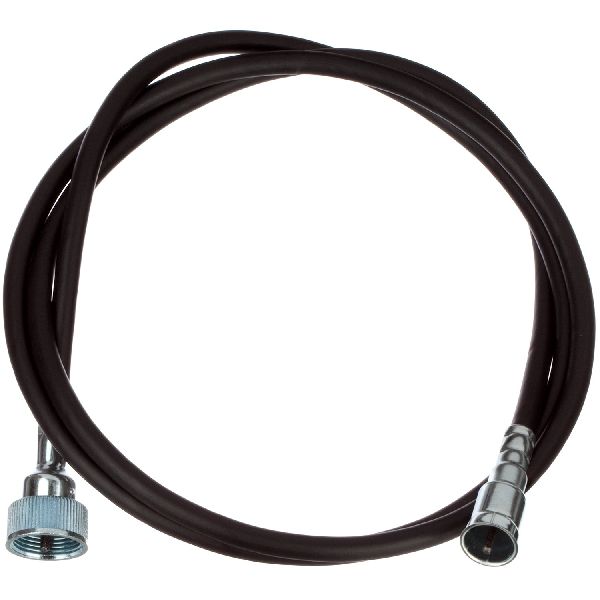
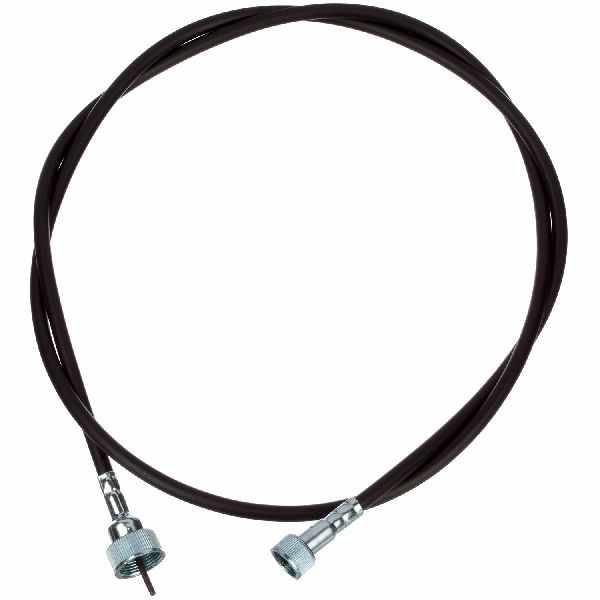
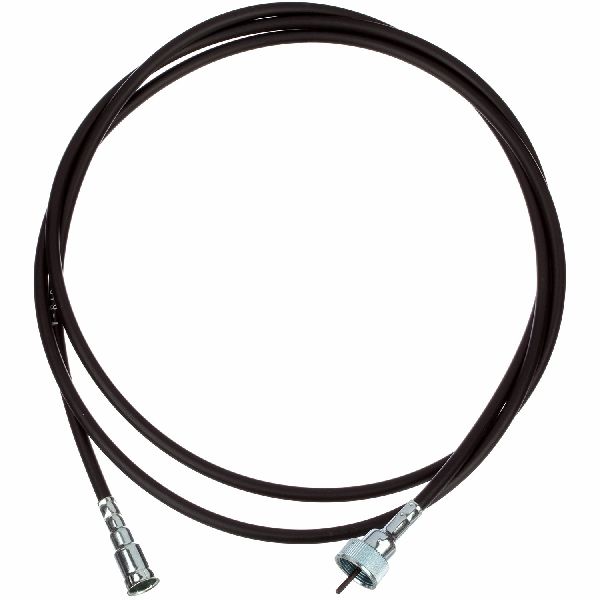
Brands like ATP and Pioneer offer direct-fit, OE-style replacement cables that are very budget-friendly. These are designed to install just like the original part and are a good choice for a daily driver or standard restoration. Some ATP cables even come with a packet of lubricant. However, be aware that some owners in forums have reported mixed quality with these budget-friendly brands, citing issues like poor fitment or a shorter lifespan compared to original parts. One user noted a replacement cable from Pioneer was a "total piece of crap" that seized up.
Premium & Custom-Fit Cables (Lokar, B&M)
For modified cars, hot rods, or owners wanting a higher-quality part, brands like Lokar are a top choice. These cables often feature durable braided stainless steel or heavy-duty black vinyl housings. They are typically sold as "cut-to-fit" kits, which means they are longer than needed and you trim them to the perfect length for your specific application. This makes them very versatile if you have a non-stock transmission or custom routing. Users praise Lokar for its high quality, durability, and smooth operation.
Important: Check Before You Buy!
The 1969-1979 Cutlass generation saw changes in speedometer cable design. Before ordering, you must check your car's specific setup:
- Connection Type: 1969 was a transition year. Your speedometer may have a screw-on fitting or a push-on clip that holds the cable. Check the back of your gauge to be sure.
- Cruise Control: If your Cutlass has cruise control, it uses a two-piece cable system. You will need to order the correct upper or lower cable. Non-cruise cars use a single cable.
- Transmission: Cables can differ between automatic and manual transmissions.
Speedometer Cable Replacement Cost
Replacing a speedometer cable is an affordable repair. The main cost is the part itself, with labor being relatively low for an experienced mechanic.
| Part/Service | Estimated Cost |
|---|---|
| New Aftermarket Cable | $16 - $152 |
| Shop Labor | $100 - $250 |
| Total Estimated Cost | $116 - $402 |
Frequently Asked Questions
Can I replace the speedometer cable myself?
Yes, this is a very DIY-friendly job for someone with basic tools. The process involves unscrewing the cable from the transmission and unclipping it from the back of the speedometer. The hardest part is often reaching the connection behind the dashboard. Removing the driver's seat can make access much easier.
Do I need to lubricate the new cable?
Yes, lubrication is critical. Most replacement cables are not pre-lubed. Use a dedicated speedometer cable lubricant (often graphite-based) along the length of the inner cable before sliding it into the housing. Do not put a large amount of grease near the top end, as it can work its way into the speedometer head and cause damage.
Why is my new cable still bouncing?
If a new, properly lubricated cable doesn't fix a bouncing needle, check the cable routing. Sharp bends or kinks in the housing can cause the inner cable to bind. If the routing is smooth, the issue may be worn plastic gears in the transmission or a problem inside the speedometer head itself, which may require a professional rebuild.
What's the difference between a push-on and screw-on cable?
This refers to how the cable housing attaches to the back of the speedometer. Older models often used a female threaded nut on the cable that screwed onto the male threads of the gauge. Starting around 1969, GM switched to a simpler push-on style with a spring clip that snaps into a groove on the gauge housing.
Technical Specifications
OEM Part Numbers: 6478176 6478175 6478177 6478126
Connection types vary. The transmission end is typically a 7/8"-18 female thread. The speedometer end can be a GM push-on style (1969+ models) or a 5/8"-18 female thread (pre-1969 models). Lengths vary significantly based on year, transmission, and cruise control options, with common lengths being 59", 66", or 69".
We Have This Part in Stock


The information in this article is provided for general reference and educational purposes only. Vehicle specifications, procedures, and part compatibility can vary by production date, trim level, and region. Always consult your vehicle's factory service manual and verify part numbers before purchasing or performing repairs. Safety-critical components such as airbags, seat belts, and braking systems should be installed by a qualified professional.
- 🛍️ Shop This Part
- Is Your Cutlass Speedometer Acting Up?
- Pro Tip: Check the Odometer
- Choosing the Right Aftermarket Cable
- Standard Replacement Cables (ATP, Pioneer Cable)
- Premium & Custom-Fit Cables (Lokar, B&M)
- Important: Check Before You Buy!
- Speedometer Cable Replacement Cost
- Frequently Asked Questions
- 🎟️ Get 5% Off