

Choosing the Right Aftermarket Carburetor for Your 1969-1980 Chevrolet Nova
From daily driving to performance builds, find the perfect carburetor to keep your classic Nova running strong.
- Replacing a worn-out carburetor is often easier and more effective than rebuilding it for a classic Nova.
- Choose between a performance brand like Edelbrock or Holley, or a remanufactured stock-style unit from Uremco based on your car's use.
- For street-driven Novas, an Edelbrock carburetor is often favored for its reliability and ease of tuning.
- Matching the carburetor's CFM rating to your engine is crucial for performance; 500-650 CFM is a good range for most stock V8s.
Is Your Nova's Carburetor Failing?
A bad carburetor can cause a range of problems, from annoying to serious. Because they are complex mechanical parts with many small passages and moving components, they are prone to issues over time. If you notice any of these signs, your carburetor might be the culprit.
🎬 Watch: 10 essential carburetor checks for beginners to diagnose issues.- Rough Idling or Stalling: The engine may shake, sputter, or idle too slowly. It might also stall when you come to a stop or brake hard. This often points to an incorrect air-fuel mixture or a bad float inside the carburetor.
- Hesitation on Acceleration: If your Nova stumbles or hesitates when you press the gas pedal, it's a classic sign that the carburetor isn't delivering enough fuel quickly enough. This is often caused by a failing accelerator pump.
- Black Exhaust Smoke & Poor Fuel Economy: Seeing black smoke from the tailpipe means the engine is running "rich," or getting too much fuel. This wastes gas, can foul your spark plugs, and is a sure sign of a carburetor problem.
- Hard Starting: Difficulty starting the engine, especially when cold, can be caused by a misadjusted or stuck choke on the carburetor.
Choosing an Aftermarket Carburetor: Repair or Replace?
For a classic car like the 1969-1980 Nova, finding a brand new original equipment (OEM) carburetor is nearly impossible. The market consists of remanufactured stock-style carburetors and new performance carburetors. While rebuilding an original carburetor is an option, it can be finicky work, and simply replacing the entire unit is often easier and guarantees a solution.
What is CFM?
CFM stands for Cubic Feet per Minute. It's a measure of how much air a carburetor can flow. Choosing the right CFM is critical. A carburetor that's too large for your engine will result in poor performance and drivability, while one that's too small will restrict horsepower. For most stock or mildly modified Nova V8 engines (like a 305 or 350), a carburetor in the 500-650 CFM range is a good starting point.
Aftermarket Brand Options
Your choice comes down to your goals: do you want a simple, stock-style replacement or a performance upgrade?
Performance Brands: Holley & Edelbrock
Holley and Edelbrock are the two biggest names in performance carburetors. The general consensus among classic car owners is that Edelbrock carburetors are easier to use and tune right out of the box, making them great for daily drivers and street-friendly performance. Holley carburetors are known for producing maximum horsepower but often require more fine-tuning to get them dialed in perfectly. For a street-driven Nova, an Edelbrock is often considered more reliable and less prone to leaks.
🎬 Watch: How to install and adjust an Edelbrock carburetor.Stock Replacement: Uremco
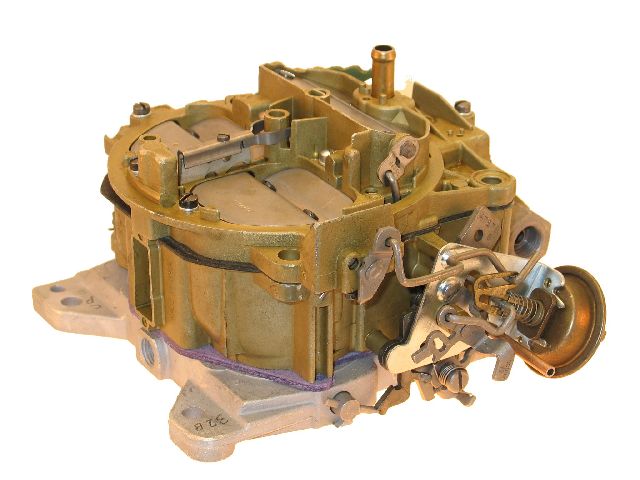
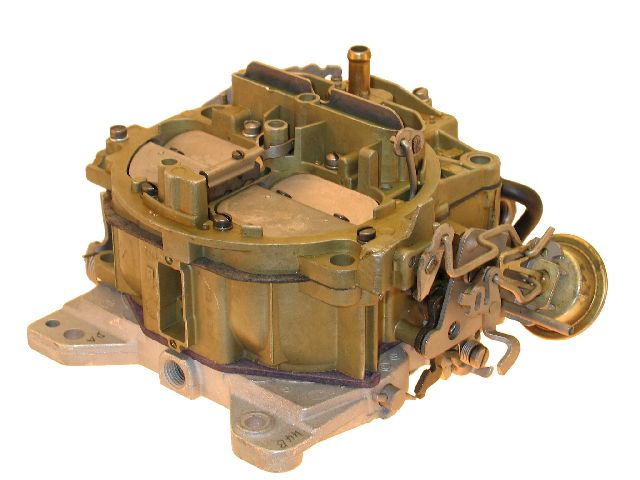
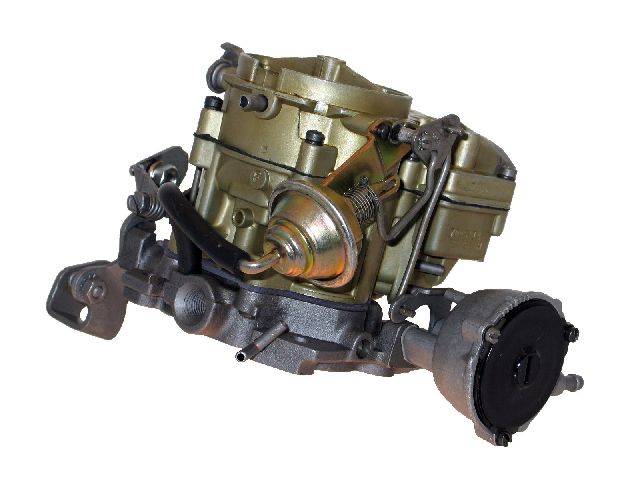
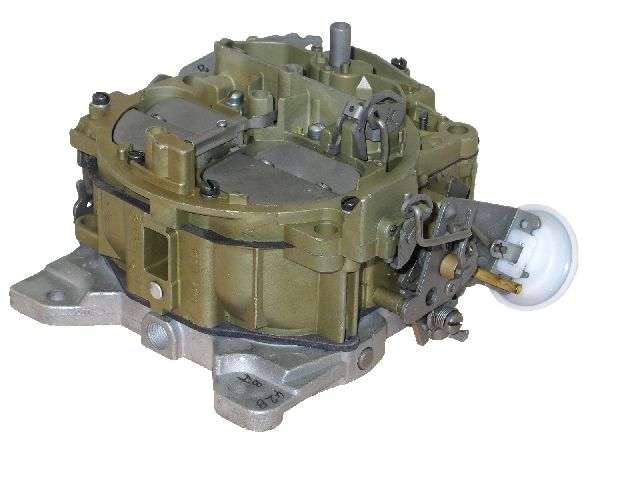
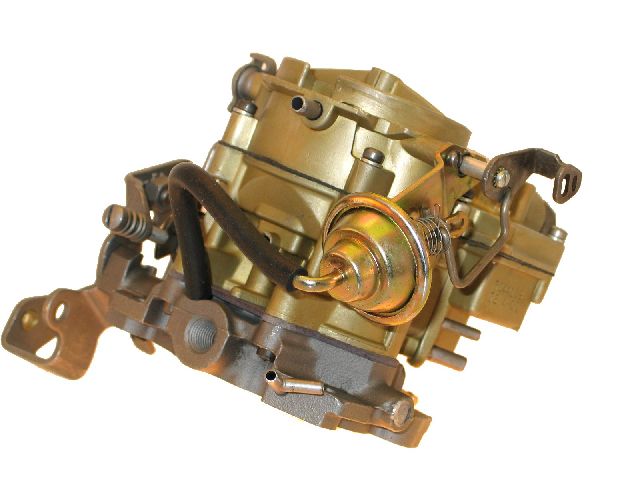
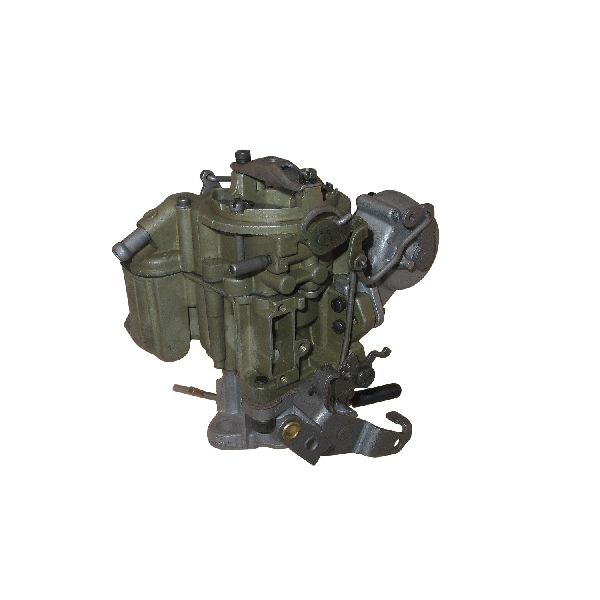
Uremco specializes in remanufacturing carburetors to original factory specifications. These are a good choice if you want to maintain a stock setup without the complexity of a performance carburetor. Reviews are generally positive, with users noting easy installation and good out-of-the-box performance. However, as with any remanufactured part, there is a small chance of an occasional defect, like a missing component from the assembly line.
A Note on Recalls and TSBs
Searches for official recalls and Technical Service Bulletins (TSBs) for the 1969-1980 Chevrolet Nova's carburetor did not yield any active or relevant results. Recalls for this era typically focused on other areas like steering or seat belts. Any issues with the original carburetors are addressed by the modern aftermarket and remanufactured parts available today.
Frequently Asked Questions
Do I need to tune a new aftermarket carburetor?
Yes. While many aftermarket carburetors are set up to run well out of the box, final tuning is almost always necessary to get the idle speed and air/fuel mixture perfect for your specific engine and local climate. This ensures optimal performance and fuel economy.
Is Holley or Edelbrock better for my Nova?
It depends on your goals. For a daily driver or mild street car, many owners prefer Edelbrock for its ease of use and reliability. If you are building a high-performance engine for racing and want to extract every bit of power, a Holley is often the preferred choice, though it may require more tuning.
Can I install a new carburetor myself?
Yes, for most mechanically inclined owners, replacing a carburetor on a 1969-1980 Nova is a straightforward DIY job. It involves disconnecting the fuel line, vacuum hoses, and throttle linkage, unbolting the old carburetor, and installing the new one in the reverse order. It typically takes a couple of hours and requires basic hand tools.
🎬 See this walkthrough on how to replace a classic carburetor.What's the difference between a 2-barrel and a 4-barrel carburetor?
The number of "barrels" (or venturis) determines how much air and fuel the carburetor can deliver. Six-cylinder Novas and some small V8s came with 2-barrel carburetors for economy. Most performance V8s use 4-barrel carburetors, which have two smaller primary barrels for normal driving and two larger secondary barrels that open up for maximum power under heavy acceleration.
Helpful Videos
Technical Specifications
Barrel Count: 1, 2, or 4; Choke Type: Electric or Manual; Mounting Flange: Square Bore or Spread Bore; CFM Rating: Varies (e.g., 500, 600, 650, 750)
We Have This Part in Stock

The information in this article is provided for general reference and educational purposes only. Vehicle specifications, procedures, and part compatibility can vary by production date, trim level, and region. Always consult your vehicle's factory service manual and verify part numbers before purchasing or performing repairs. Safety-critical components such as airbags, seat belts, and braking systems should be installed by a qualified professional.