

Saab 99 Ignition Coil Guide for 1969-1980 Models
Solve starting and running issues by choosing the right ignition coil for your classic Saab 99.
- A failing ignition coil can cause a no-start, misfiring, or stalling.
- Verify if your car has an external ballast resistor to ensure you buy a compatible coil.
- For best results, choose a reputable aftermarket brand like NGK or Standard Ignition.
- Replacing the coil is a simple, beginner-friendly DIY task that takes less than 30 minutes.
Understanding the Ignition Coil in Your Saab 99
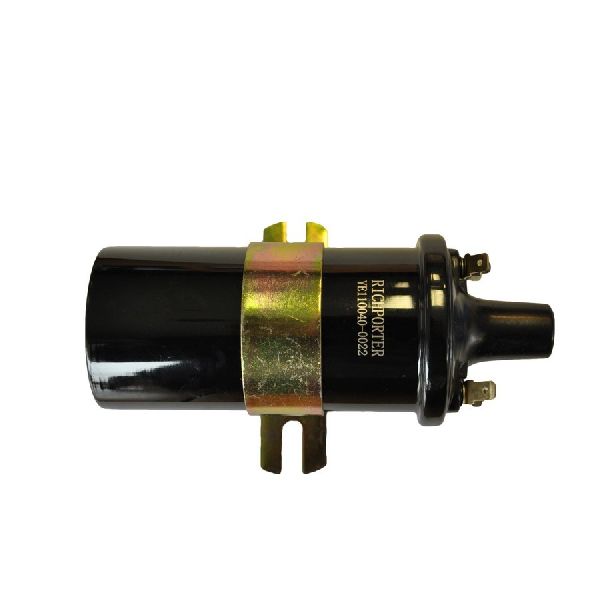
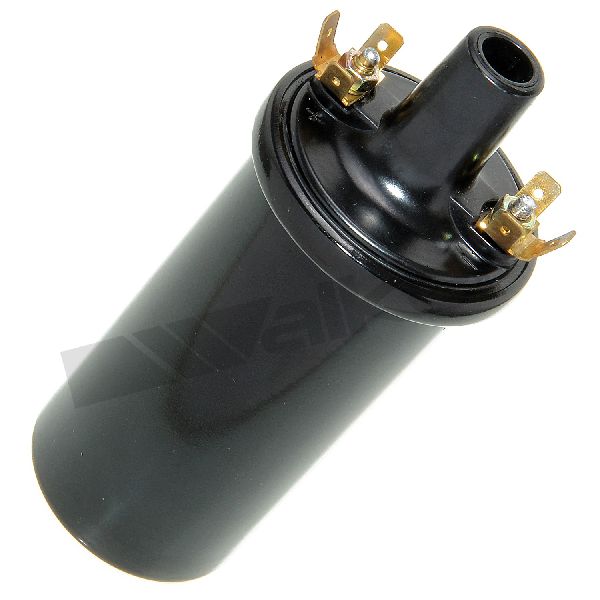
The ignition coil is a critical component for keeping your 1969-1980 Saab 99 running properly. It acts as a high-voltage transformer, converting the car's 12-volt battery power into the 20,000+ volts needed for the spark plugs to ignite the fuel mixture. Without a properly functioning coil, your engine will lack spark, leading to poor performance or a car that won't start at all. Over time, the internal windings of the coil can break down from heat and vibration, causing it to fail.
Symptoms of a Failing Saab 99 Ignition Coil
A bad ignition coil can cause problems that seem like they are related to the carburetor or fuel system. Watch for these common signs:
- No-Start or Hard Starting: The engine cranks but won't fire up, or takes a long time to start. This is the most common symptom of a completely failed coil.
- Engine Misfires: The engine may sputter, shake, or hesitate, especially under acceleration. This can feel like a jerking or stumbling sensation.
- Rough Idle: When the car is stopped, the engine may vibrate or run unevenly.
- Stalling: The engine may suddenly shut off while idling or driving, which can be a serious safety risk.
- Reduced Power & Poor Fuel Economy: The car may feel sluggish, and you might notice you're using more gas than usual.
Stalling When Hot
While a failing coil can cause stalling, if your Saab 99 specifically stalls when the engine gets hot and then restarts after cooling down, the issue is more likely the ignition control module, not the coil. Test the module before replacing the coil for this specific symptom.
Choosing the Right Aftermarket Ignition Coil
Since new OEM (Original Equipment Manufacturer) coils for a classic Saab 99 are rare, the aftermarket is your primary source. Quality can vary, but reputable brands offer reliable performance. Aftermarket coils are designed to meet or exceed original specifications.
Brand Tiers
- Premium Brands (NGK, Standard Ignition): Brands like NGK and Standard Ignition (including their Blue Streak line) are well-regarded in the aftermarket for quality and durability. They often use high-quality materials and robust designs to improve on original weaknesses. These are a solid choice for owners who want the best reliability.
- Standard Replacement Brands (Walker Products, Spectra, Holstein, WAI Global): These brands offer good quality, OE-equivalent parts that provide reliable performance for daily driving. They are a cost-effective solution that meets the original specifications for your Saab.
- Economy Brands (Global Parts, Skyward): These brands provide the most budget-friendly options. While they are designed to function correctly, they may not have the same long-term durability or use the same premium materials as higher-tiered brands.
Check for a Ballast Resistor
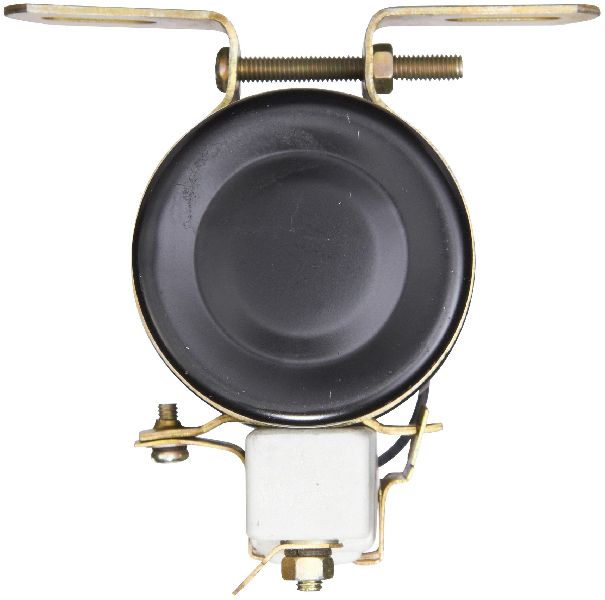
Some ignition systems on these older cars use a ballast resistor to protect the ignition points and coil. It's a small ceramic block usually found on the firewall. If your car has one, make sure the replacement coil you buy is compatible with a ballast system. Using the wrong type of coil can lead to premature failure.
Cost of Replacing a Saab 99 Ignition Coil
Replacing the ignition coil on a 1969-1980 Saab 99 is an affordable repair. The part itself is inexpensive, and the labor is minimal.
| Item | Estimated Cost |
|---|---|
| New Aftermarket Ignition Coil | $23.53 - $42.76 |
| Shop Labor | $50 - $100 |
| Total Estimated Cost | $75 - $145 |
Frequently Asked Questions
Can I replace the ignition coil myself?
Yes, this is a very easy DIY job for a beginner. It typically takes less than 30 minutes and requires only basic hand tools like a wrench or socket set. The coil is easily accessible in the engine bay. Just be sure to disconnect the battery first and label the two small wires so you can reconnect them correctly.
What is a ballast resistor and do I need one?
A ballast resistor is a ceramic piece that reduces voltage to the coil during normal operation to prevent it from overheating and to extend the life of the ignition points. Some ignition systems require a coil designed for a ballast resistor, while others use a coil with internal resistance. Check if your car has an external resistor and purchase a compatible coil.
Are all ignition coils for the 1969-1980 Saab 99 the same?
For the most part, yes. The Saab 99 used a conventional canister-style coil with a distributor for this entire period. However, it's always wise to double-check if your system uses an external ballast resistor, as this may require a specific type of coil.
Should I replace my spark plugs and wires with the coil?
It's a good idea. The ignition coil, distributor cap, rotor, spark plug wires, and spark plugs all work together. If the coil has failed due to age, the other components are likely old as well. Replacing them at the same time ensures the entire ignition system is in top condition for reliable performance.
Technical Specifications
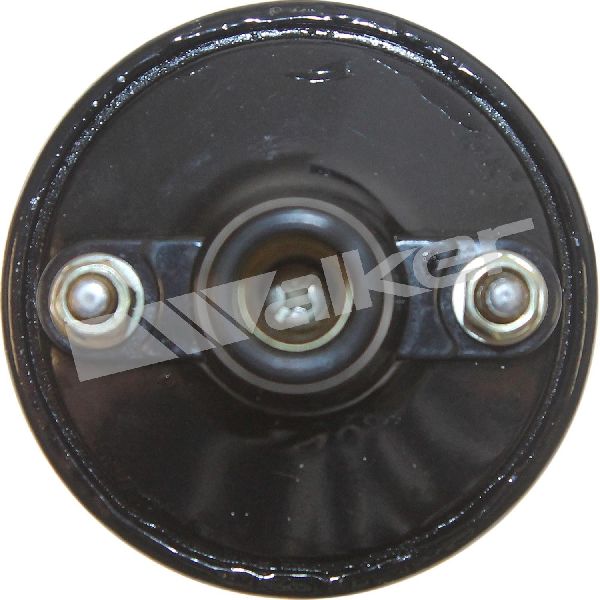
Coil Type: Canister, Oil Filled Voltage: 12V Terminal Type: 2-Pin (DIN) Mounting: Bracket Mount
We Have This Part in Stock


The information in this article is provided for general reference and educational purposes only. Vehicle specifications, procedures, and part compatibility can vary by production date, trim level, and region. Always consult your vehicle's factory service manual and verify part numbers before purchasing or performing repairs. Safety-critical components such as airbags, seat belts, and braking systems should be installed by a qualified professional.