

Checker Marathon Disc Brake Caliper Guide for 1969-1982 Models
Everything you need to know to get the right front brake calipers for your classic Checker.
- Your Checker likely uses a common GM-style caliper, making parts easy to find and affordable.
- Always replace calipers in pairs (both front wheels) to ensure even and safe braking.
- Sticking or seizing is the most common failure mode for these older calipers, often caused by corrosion from moisture in the brake fluid.
- Choosing a caliper with a protective coating (like those from Raybestos) can help prevent future rust and corrosion.
Understanding Your Checker's Brake Calipers
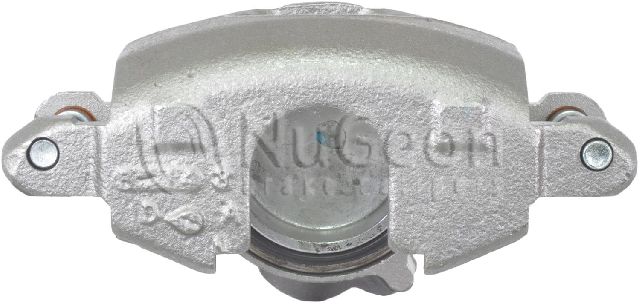
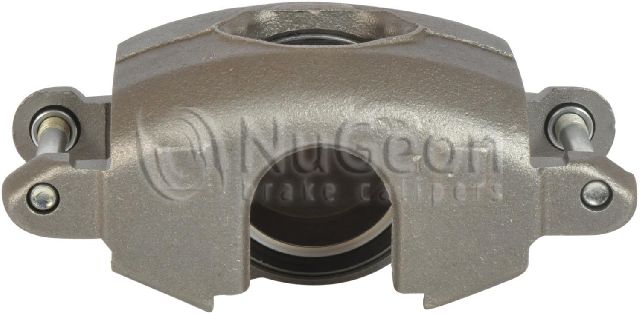
If you're working on a 1969-1982 Checker Marathon, you're in luck. While the car itself is unique, it was built using many common parts from major automakers, particularly General Motors. The front disc brake calipers used on these models are typically a standard GM single-piston design (often referred to as the D52 style). This is good news because it means replacement parts are widely available and affordable.
The most common issue you'll face with calipers on a car of this age is sticking or seizing. This happens when the caliper piston corrodes from old, moisture-filled brake fluid or when the caliper's slide pins get rusty and prevent the caliper from moving freely. A car that sits for long periods, like many classic cars, is especially prone to this problem.
Symptoms of a Failing Brake Caliper
- Vehicle Pulling: The car pulls to one side when you brake, or even when you're just driving. This indicates a caliper is either stuck on or not working at all.
- Brake Drag: You might feel like the car is sluggish or that you're driving with the parking brake slightly on. A stuck caliper forces the brake pad to stay in contact with the rotor, creating constant friction.
- Burning Smell: A strong, acrid smell after driving is a sign of a dragging brake overheating. You may also see smoke from the wheel well in severe cases.
- Leaking Fluid: Puddles of brake fluid near the front wheels or visible wetness around the caliper itself point to a failed seal. This is a critical safety issue.
- Uneven Brake Pad Wear: When changing pads, if you notice one side is significantly more worn than the other, it's a clear sign the caliper isn't functioning correctly.
Choosing the Right Aftermarket Caliper
Since new original equipment (OEM) calipers for a Checker have not been made in decades, your choice is between a new aftermarket part or a remanufactured one. Remanufactured calipers use the original metal housing, which is inspected, cleaned, and rebuilt with all-new seals, boots, and pistons. New calipers are made entirely from new materials. For a classic like the Marathon, a quality remanufactured caliper is often an excellent and cost-effective choice.
Aftermarket Brand Tiers
| Tier | Brands | Quality & Cost Assessment |
|---|---|---|
| Value (Remanufactured) | Cardone | Cardone is a major supplier of remanufactured parts and is often the most budget-friendly option. While they provide a functional replacement, some professional mechanics and DIYers report occasional quality control issues that may require an exchange. A good choice for a tight budget. |
| Standard | Centric, BBB Industries, Dynamic Friction | This tier offers a great balance of quality and price. Centric, in particular, is well-regarded for its remanufacturing process, often resulting in a cleaner, more reliable part. These brands are solid, dependable choices for a daily driver or a weekend cruiser. |
| Premium | Raybestos | Raybestos is a legacy brand in the brake industry. They offer both high-quality remanufactured and fully new calipers. Their new calipers often feature superior coatings that provide extra protection against rust and corrosion—a valuable feature for a car that might be exposed to the elements or stored for periods. |
A Note on "Loaded" vs. "Unloaded" Calipers
You will see options for "loaded" or "semi-loaded" calipers. A loaded caliper comes complete with new brake pads and all the necessary mounting hardware, making the job faster. An unloaded caliper is just the caliper body itself. If your brake pads are new, an unloaded caliper is fine. If you're doing a full brake job, a loaded caliper can save time and ensure all components are fresh.
Frequently Asked Questions (FAQ)
Should I replace my brake calipers in pairs?
Yes, it is always recommended to replace calipers in pairs (both front calipers at the same time). This ensures balanced braking performance and prevents the car from pulling to one side. Since the calipers are the same age, if one has failed, the other is likely not far behind.
What is a "core charge"?
Remanufactured calipers require you to return your old caliper. The core charge is a temporary deposit you pay when you buy the part. You get this money back when you return your old, rebuildable caliper to the seller. This system allows manufacturers to keep a supply of original housings for remanufacturing.
Is replacing a Checker Marathon caliper a DIY job?
If you have experience with automotive brake systems, yes. The job requires safely lifting and supporting the vehicle, using wrenches to remove the caliper and brake line, and then bleeding the brake system to remove air. If you are not 100% comfortable with bleeding brakes, it is best to leave this job to a professional mechanic.
Do I need any special tools?
You will need a good socket/wrench set, a tool to catch brake fluid (a bottle and hose), and potentially a C-clamp to compress the piston if you are installing new pads. A flare nut wrench for the brake line is highly recommended to avoid stripping the fitting. You will also need a fresh bottle of DOT 3 brake fluid.
Technical Specifications
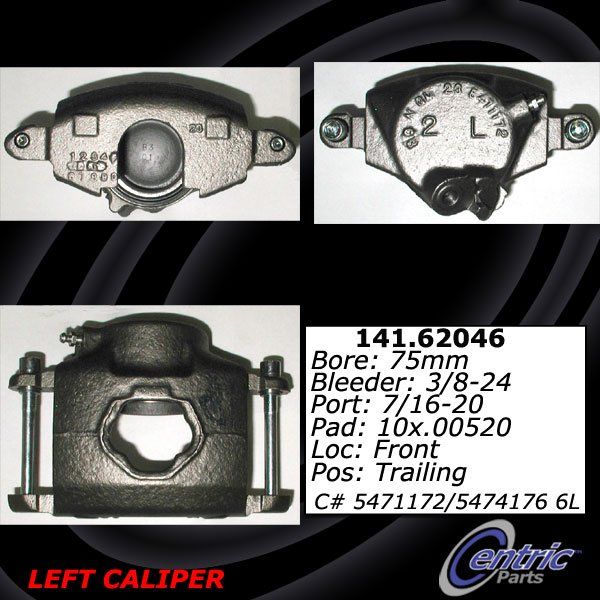
The most common replacement is a single-piston floating caliper, often cross-compatible with the General Motors D52 caliper design used from 1969-1977 on various mid-size cars. Always verify fitment using your vehicle's specific year.
We Have This Part in Stock

The information in this article is provided for general reference and educational purposes only. Vehicle specifications, procedures, and part compatibility can vary by production date, trim level, and region. Always consult your vehicle's factory service manual and verify part numbers before purchasing or performing repairs. Safety-critical components such as airbags, seat belts, and braking systems should be installed by a qualified professional.