

Ford Thunderbird Suspension Stabilizer Bar Link Kit: 1969-1982
Eliminate front-end clunks and restore your Thunderbird's handling with the right stabilizer link kit.
- The most common symptom of a bad stabilizer link is a clunking noise from the front end over bumps.
- Always replace stabilizer links in pairs to ensure balanced handling and even wear.
- Aftermarket brands like Moog are often considered premium, while Mevotech and Delphi offer a good balance of quality and value.
- This is a straightforward DIY repair that can be done with basic hand tools in about an hour or two.
Is Your Thunderbird Making Clunking Noises?
The most common sign of a failing stabilizer bar link is a distinct clunking or rattling noise from the front suspension. This sound is most noticeable when driving over bumps, uneven roads, or turning at slow speeds. 🎬 Watch: How to diagnose clunking noises in your front-end suspension. You might also notice excessive body roll, making the car feel less stable in corners, or a general looseness in the steering and handling. Worn links allow for too much movement, causing metal parts to bang against each other.
Choosing the Right Aftermarket Stabilizer Link Kit
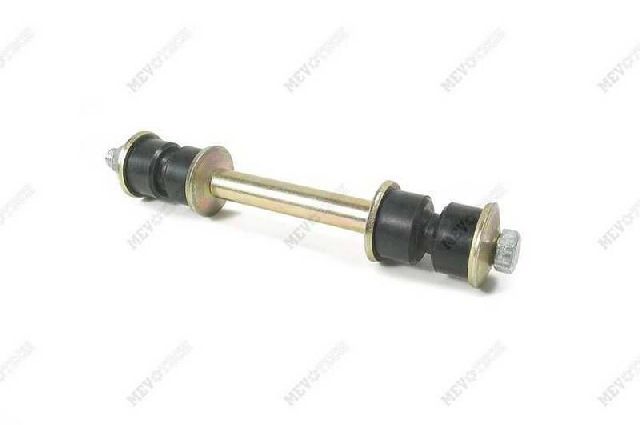
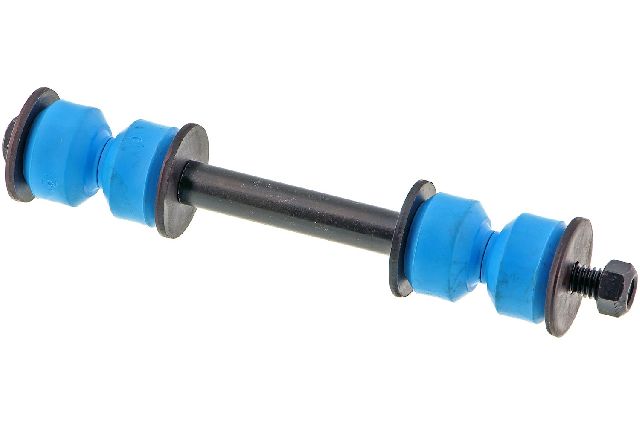
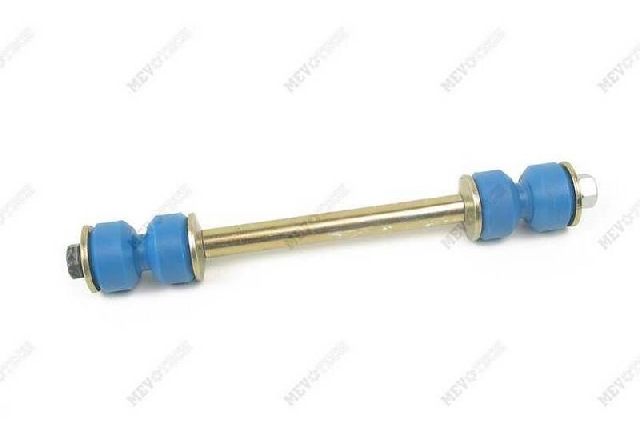
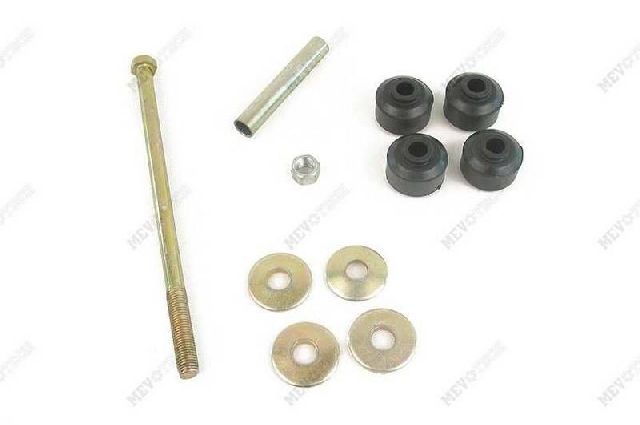
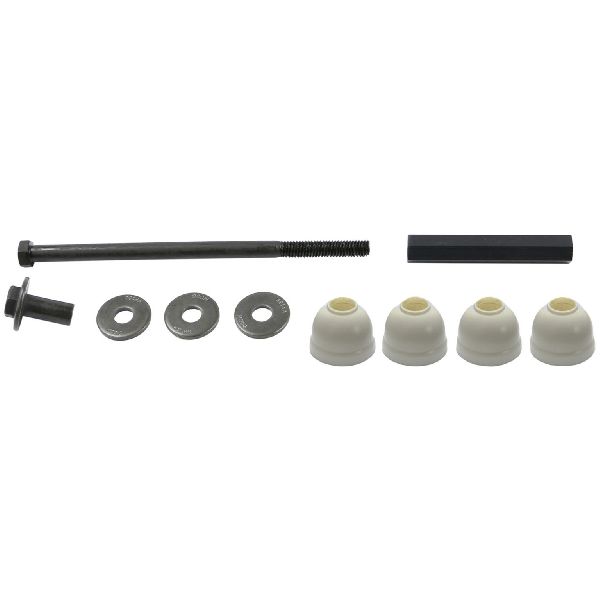
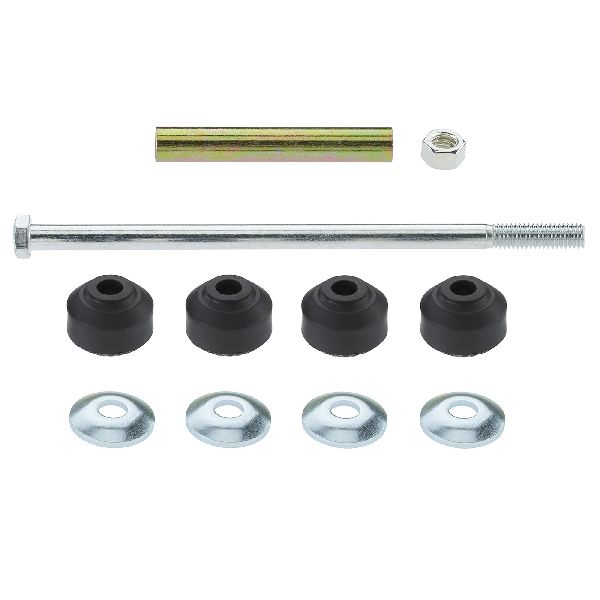
For a classic car like the 1969-1982 Thunderbird, original equipment (OEM) parts are virtually non-existent. Aftermarket parts are your primary choice, and many offer improvements over the original 1960s design. The stabilizer link for this Thunderbird is a simple design, typically a long bolt with a series of rubber bushings and metal sleeves. The key difference between brands often comes down to the quality of these components and added features.
Aftermarket Brand Tiers
| Tier | Brands | Characteristics & Notes |
|---|---|---|
| Premium | Moog, Nolathane | Often considered a higher-quality choice, Moog parts are known for durability. Some kits may feature greasable fittings (zerk fittings) which allow you to add grease, potentially extending the part's life. Nolathane specializes in polyurethane bushings, which are firmer than rubber and can improve steering response, though they may transmit more vibration. |
| Standard / Mid-Grade | Delphi, Mevotech, QuickSteer | These brands provide a good balance of quality and price, often meeting or exceeding original specifications. Mevotech is a popular option and sometimes includes helpful features like new mounting hardware or pre-assembled bushings. Delphi is also a well-regarded brand in suspension components. |
| Economy | Dorman, Skyward | These brands offer a functional and affordable solution to fix worn-out links. While some users have mixed opinions on the longevity of economy brands compared to premium ones, they are a cost-effective way to eliminate noise and restore proper function. |
Pro Tip: Always replace stabilizer bar links in pairs (both left and right sides). Since they experience the same amount of wear, if one has failed, the other is likely not far behind. This ensures balanced handling and prevents you from having to do the same job twice.
Known Issues, Recalls, and Bulletins
There are no specific recalls or Technical Service Bulletins (TSBs) from the NHTSA related to the suspension stabilizer bar links for the 1969-1982 Ford Thunderbird. Any issues you experience are due to the age and wear of the components, which is normal for a vehicle of this vintage.
Frequently Asked Questions (FAQ)
How do I know for sure my stabilizer links are bad?
Besides the clunking noise, you can perform a physical inspection. With the front of the car safely supported on jack stands, grab the stabilizer bar near the link and try to move it up and down. If you feel significant play or hear the same clunking noise, the links and/or their bushings are worn and need replacement. Visually inspect the rubber bushings for cracks, deterioration, or signs of being compressed and pushed out of place.
🎬 Watch: A pro walkthrough on inspecting and replacing sway bar links.Can I just replace the bushings instead of the whole kit?
Yes, bushing-only kits are available. However, for a part this simple and inexpensive, replacing the entire link kit (which includes the bolt, sleeves, and all new bushings) is recommended. This ensures all components are new and eliminates the possibility of a worn or corroded bolt causing issues later.
Is replacing a stabilizer link kit a difficult job?
No, this is considered a relatively easy DIY job for someone with basic tools. It involves removing two nuts, swapping the old link for the new one, 🎬 See this step-by-step replacement guide for Ford and Lincoln vehicles. and tightening everything back up. The most common difficulty is dealing with rusted nuts and bolts, so applying a penetrating oil beforehand is highly recommended.
Should I get links with greasable fittings?
While the simple bolt-and-bushing design for this Thunderbird may not always have a greasable option, some premium brands might offer kits with polyurethane bushings that can be greased. Greasable joints allow for periodic maintenance that can flush out contaminants and extend the life of the part, but they require you to remember to service them.
Helpful Videos
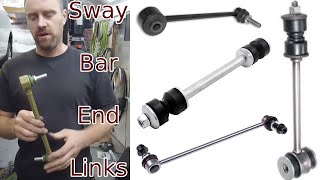
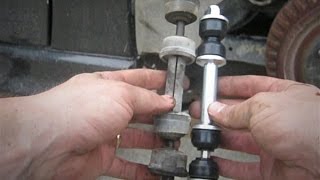
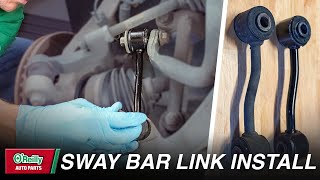
Technical Specifications
The 1969-1982 Ford Thunderbird uses a front stabilizer bar link kit that is typically a bolt-through design with rubber or polyurethane bushings and metal sleeves. The design is consistent across this year range. No specific OEM part numbers were found in the search, as they are largely obsolete.
We Have This Part in Stock

The information in this article is provided for general reference and educational purposes only. Vehicle specifications, procedures, and part compatibility can vary by production date, trim level, and region. Always consult your vehicle's factory service manual and verify part numbers before purchasing or performing repairs. Safety-critical components such as airbags, seat belts, and braking systems should be installed by a qualified professional.