

Choosing a Starter Motor for Your 1969-1986 Chevrolet Blazer
Solve common starting problems and get your classic K5 Blazer turning over reliably every time.
- A common issue for 1969-1986 Blazers is starter 'heat soak', where the engine won't start when hot.
- Upgrading to a modern gear-reduction 'mini starter' is the most effective way to solve heat soak and improve cranking power.
- You must match your new starter to your engine's flywheel (153-tooth or 168-tooth) and bolt pattern (straight or staggered).
- Always disconnect the negative battery cable before beginning work on the starter to prevent dangerous electrical shorts.
Signs of a Failing Starter Motor
A bad starter rarely fails without warning. If you notice any of these symptoms, it's time to inspect your starting system before you get stranded.
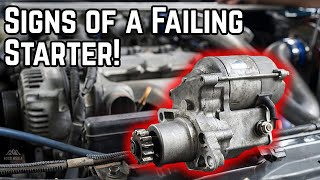
🎬 Watch: See and hear these 5 common starter failure symptoms- Single Click or Rapid Clicking: When you turn the key, you hear a sharp click but the engine doesn't crank. This often means the starter solenoid is engaging, but the motor itself isn't turning. Rapid clicking can point to a weak battery or a starter motor that's drawing too much power.
- Slow, Labored Cranking: The engine turns over much slower than usual, as if the battery is weak. If the battery is healthy, the starter motor may be worn out and struggling.
- Grinding Noise: A loud grinding sound when you try to start the engine can indicate the starter's gear is not meshing correctly with the flywheel, or it has failed to disengage. This can cause serious damage to both the starter and the flywheel.
- No Sound at All: You turn the key and nothing happens, but your dashboard lights and accessories work. This could mean the starter solenoid isn't receiving the signal or has failed completely.
- Smoke or Burning Smell: Smoke coming from under the vehicle when trying to start it is a serious sign. It indicates an electrical short or that the starter is overheating from excessive cranking. Stop trying to start it immediately and disconnect the battery.
Blazer-Specific Issue: Starter Heat Soak
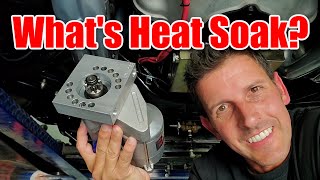
A very common problem with 1969-1986 Blazers, especially those with V8 engines and headers, is "heat soak." The starter is located very close to the hot exhaust manifold. After a long drive, the heat radiates to the starter, increasing its internal electrical resistance. This makes the starter struggle or fail to crank the engine until it cools down, often leaving you waiting for 15-30 minutes. If your Blazer starts fine when cold but won't crank when hot, heat soak is the likely culprit.
Choosing the Right Aftermarket Starter
For a classic vehicle like the K5 Blazer, aftermarket starters are often a significant upgrade over the original factory design. You have two main choices:
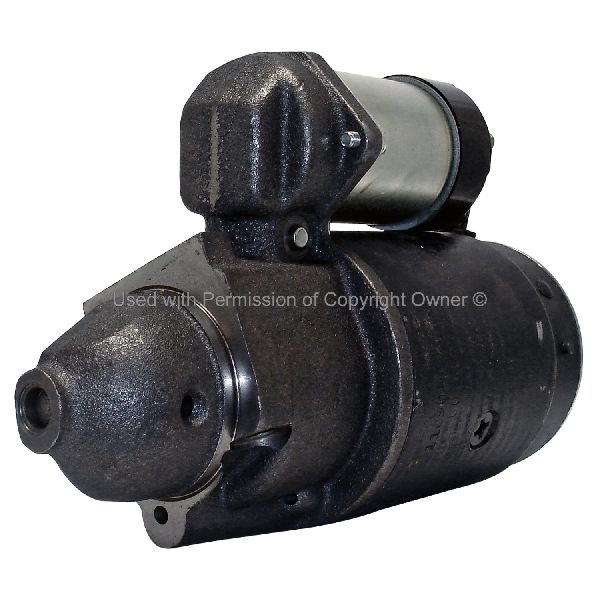
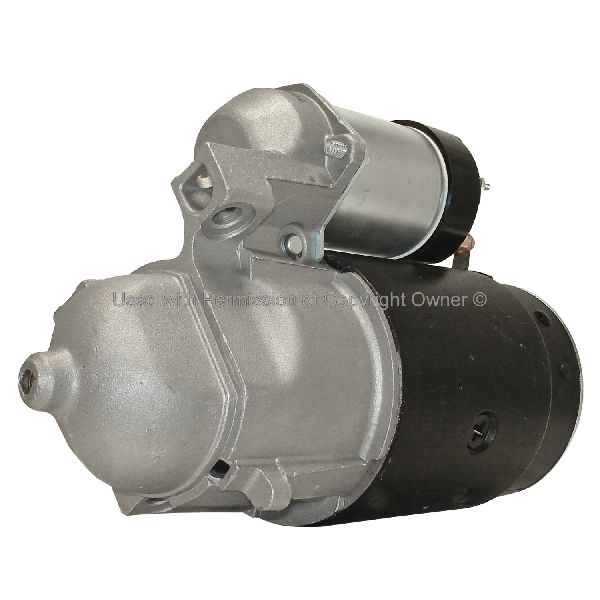
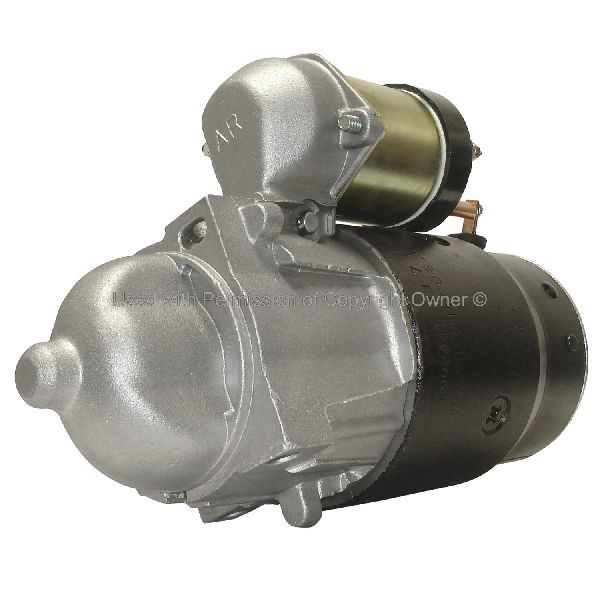
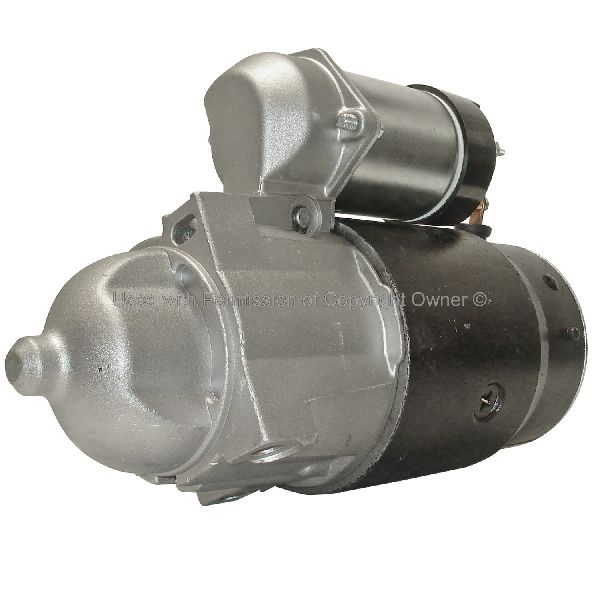
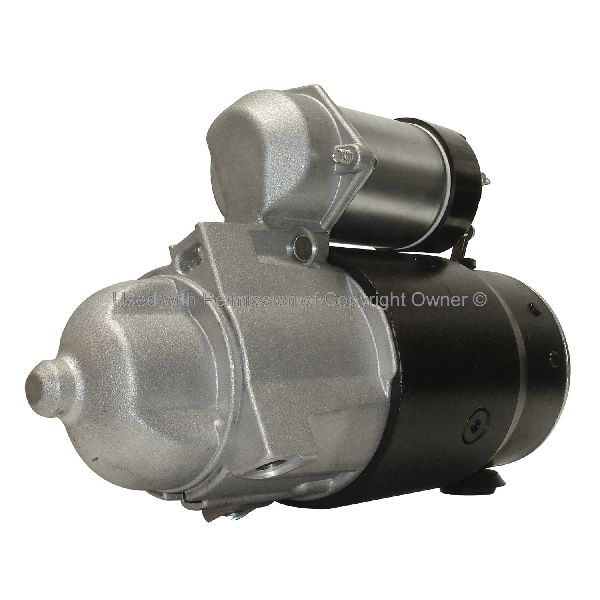
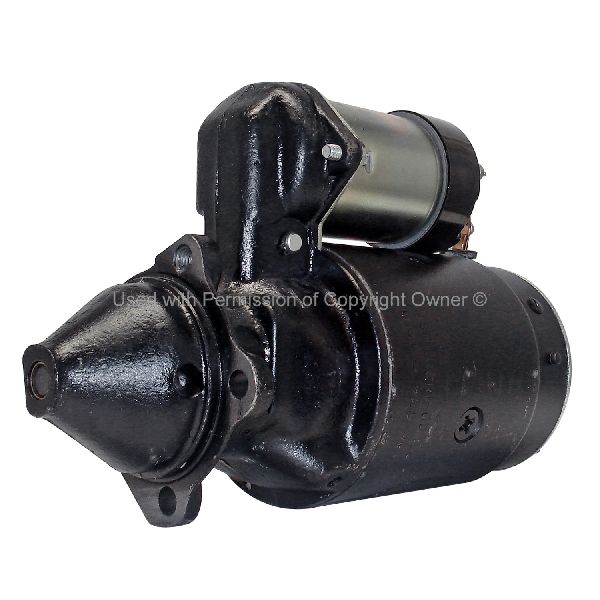
- Direct-Drive (Stock Style): These are similar to the original starter. Brands like ACDelco offer reliable, direct-fit replacements. They are a good choice for stock or lightly modified engines, but can still be susceptible to heat soak.
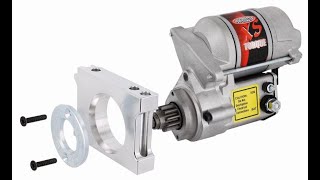
- Gear Reduction (Mini Starters): These modern starters from brands like Powermaster and Proform use internal gears to multiply torque. They are smaller, lighter, and much more powerful than the old direct-drive units. Their higher torque and efficiency make them the best solution for overcoming heat soak and starting high-compression engines.
Pro Tip: For most Blazer owners, especially those with headers or who experience hot-start issues, a gear-reduction mini starter is the recommended upgrade. The extra cost is well worth the reliability and peace of mind.
Brand Quality & Tiers
Your choice of brand depends on your budget and needs:
- Performance (Powermaster, Proform): These brands specialize in high-torque, gear-reduction starters. They are considered a top-tier choice for modified engines, high-compression builds, or as a permanent fix for heat soak. They offer excellent power in a compact size.
- OEM-Equivalent (ACDelco): As a GM-affiliated brand, ACDelco provides new and remanufactured starters that meet original equipment specifications. This is a trusted, reliable option for a standard, stock replacement.
- Standard Aftermarket (MPA): Motor Parts of America (MPA) and other similar brands offer new and remanufactured starters that provide a cost-effective solution for daily drivers and stock vehicles. They are a good balance of price and quality for standard replacement needs.
Cost of a New Starter Motor
| Part Type | Estimated Cost |
|---|---|
| New Aftermarket Starter | $65 - $385 |
| Remanufactured Starter | $50 - $150 |
| Shop Labor for Installation | $100 - $250 |
Frequently Asked Questions (FAQ)
What is the difference between a direct-drive and a gear-reduction starter?
A direct-drive starter, like the original on your Blazer, has its motor shaft directly connected to the starter drive gear. A gear-reduction starter uses a set of internal gears between the motor and the drive gear. This allows a smaller, faster motor to produce more torque, making it more efficient and powerful, especially for overcoming heat soak or high engine compression.
Do I need to use shims when I install my new starter?
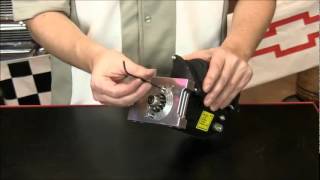
Maybe. Chevrolet engines of this era sometimes require thin metal shims to properly align the starter gear with the flywheel. Incorrect spacing can cause grinding noises or damage to the gears. Always check the gear mesh after installing a new starter. 🎬 Watch this guide on how to properly shim a GM starter If your old starter used shims, start by installing the new one with the same shims.
What is a starter solenoid and is it included?
The solenoid is a powerful switch that does two things: it pushes the starter gear forward to engage the flywheel and it closes the electrical circuit to power the starter motor. On nearly all starters for the 1969-1986 Blazer, the solenoid is mounted directly on top of the starter motor and is sold as a complete assembly.
Can I fix heat soak without buying a new starter?
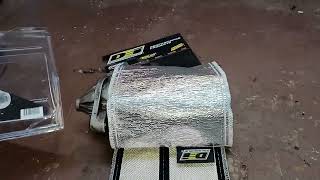
Sometimes. You can try installing a starter heat shield, which is a physical barrier that blocks radiant heat from the exhaust. Wrapping the starter or solenoid in a special insulating blanket is another option. 🎬 See how to fix heat soak for under thirty dollars However, the most effective and permanent solution is typically upgrading to a high-torque, gear-reduction starter that is less affected by heat.
Do I need a special starter for my engine swap?
Yes, it's critical. You must match the starter to the flywheel or flexplate. Small Block and Big Block Chevys used two common flywheel sizes (153-tooth and 168-tooth), which require different starters with either a straight-across or staggered bolt pattern. Using the wrong starter will result in misalignment, grinding, or a no-start condition. Always verify your engine's flywheel size and required bolt pattern before ordering.
Helpful Videos
Technical Specifications
OEM Part Numbers: 1958679 14097279 12338064
Key specifications include the bolt pattern (straight or staggered) and compatibility with the flywheel tooth count (153-tooth or 168-tooth). Starters for this era are typically direct-drive, but aftermarket gear-reduction units are common upgrades. Most starters are sold as a complete assembly with the solenoid.
We Have This Part in Stock

The information in this article is provided for general reference and educational purposes only. Vehicle specifications, procedures, and part compatibility can vary by production date, trim level, and region. Always consult your vehicle's factory service manual and verify part numbers before purchasing or performing repairs. Safety-critical components such as airbags, seat belts, and braking systems should be installed by a qualified professional.