

1970-1972 Buick GS Parking Brake Cable Replacement and Selection Guide
Don't let a stretched or broken cable compromise the safety of your classic GS; here's what you need to know.
- The most critical factor when buying an aftermarket cable is ensuring it is the correct length for your specific transmission (e.g., TH400 vs. manual).
- It is strongly recommended to replace all three cables (front, rear left, rear right) at the same time, as they have all been exposed to the same wear and elements.
- Failure is almost always due to age-related rust, stretching, or seizing. Aftermarket quality varies, with fitment being the most common complaint.
- A non-functioning parking brake is a serious safety hazard, especially when parking on a grade.
Symptoms of a Failing Parking Brake Cable
A faulty parking brake cable isn't just an inconvenience; it's a safety issue. If your classic GS is parked on an incline, a failed cable could lead to the car rolling away. Watch for these clear warning signs.
- Loose Pedal: The parking brake pedal feels loose or goes to the floor with little to no resistance. This often indicates a snapped or disconnected cable.
- Car Won't Hold: You engage the parking brake, but the car still rolls or moves. This is a classic sign of a stretched or broken cable that can no longer apply enough force to the brakes.
- Brake Won't Release: The parking brake feels stuck on, and you might feel drag or hear scraping from the rear wheels while driving. This can happen when a cable is corroded and seized within its protective sheath.
- Visible Damage: A quick look under the car might reveal a frayed, rusty, or snapped cable. Corrosion is a major enemy of these parts after 50+ years.
Common Ordering Mistakes
The most common issue owners face is buying an aftermarket cable that is the wrong length. The 1970-1972 Buick GS had different cable configurations based on the transmission. For example, cars with a TH400 automatic transmission route the front cable differently than manual transmission cars. Always verify your car's exact transmission and, if possible, measure your old cables before ordering a replacement.
Choosing the Right Aftermarket Cable
Finding a New Old Stock (NOS) GM cable is nearly impossible. The aftermarket is your primary source for these parts. Quality and fit can vary, so it's important to know the brands.
OEM vs. Aftermarket Quality: An original GM cable would provide a perfect fit, but decades-old rubber and potential corrosion make even NOS parts a gamble. Modern aftermarket cables are your most reliable option. Some forum users report that aftermarket cables can be slightly too long or short, requiring modification to work correctly. Higher-quality aftermarket options may use stainless steel for better corrosion resistance.
Brand Tiers
- Dorman: Dorman is one of the most common aftermarket brands available. Their quality can be hit-or-miss; some parts are excellent, while others may have fitment issues. For a part like this, Dorman is a widely accessible, mid-tier choice that often gets the job done. They offer features like zinc-plated fittings to help prevent corrosion.
- Replacement: This is often a generic or house brand. These cables are typically the most budget-friendly option. While they are designed to fit, the materials and quality control may not be as robust as more established brands. They can be a good choice for a car that is driven infrequently, but inspect them carefully before installation.
- Other Brands (AC Delco, Raybestos): Brands like AC Delco (GM's own parts division) and Raybestos also produce these cables. They are generally considered to be reliable, OE-quality replacement parts.
Pro Tip: Your Buick GS uses three separate cables: one front (from the pedal), one left rear, and one right rear. They are all different lengths. If one has failed due to age and rust, the others are likely in similar condition. It is highly recommended to replace all three at the same time for reliable operation.
Parking Brake Cable Cost
The cost for new aftermarket cables is very reasonable. Expect to pay more for a complete kit versus individual cables.
| Part Type | Estimated Cost |
|---|---|
| New Aftermarket Cable (Individual) | $32.25 - $72.41 |
| Shop Labor for Installation (All Cables) | $180 - $350 |
Frequently Asked Questions
Can I just adjust my old parking brake cable?
If the cable has only stretched slightly, you may be able to remove some slack at the cable equalizer. However, if the cable is corroded, frayed, or stretched beyond its adjustment limit, it must be replaced. Given the age of the vehicle, replacement is almost always the better long-term solution.
Is replacing the parking brake cables a DIY job?
Yes, for someone with moderate mechanical skill. The job requires safely lifting and supporting the vehicle on jack stands. The most difficult parts are often dealing with 50 years of rust and routing the new cables correctly through the chassis and crossmembers.
Do I need special tools to replace the cables?
Basic hand tools like sockets, wrenches, and pliers are required. Penetrating oil is essential for loosening rusted fasteners. In some cases, you may need to remove the rear brake drums to disconnect the cable from the brake shoe lever.
Are the front and rear cables the same?
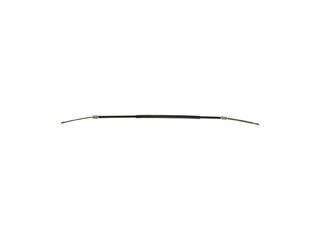
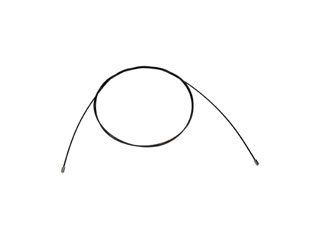
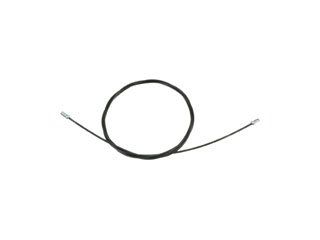
No. The system uses a longer front cable, an intermediate cable, and two different rear cables (left and right). They are specific lengths and are not interchangeable. For example, a Dorman front cable for a GS with a THM350 transmission has a length of 44.75 inches, while a rear cable is around 35.75 inches.
Technical Specifications
OEM Part Numbers: 1382429 3925057
System consists of three cables: front, left rear, and right rear. Cable lengths vary based on transmission type. Example specifications include a front cable length of 44.75 inches and a rear cable length of 35.75 inches with a 23.62-inch conduit.
We Have This Part in Stock

The information in this article is provided for general reference and educational purposes only. Vehicle specifications, procedures, and part compatibility can vary by production date, trim level, and region. Always consult your vehicle's factory service manual and verify part numbers before purchasing or performing repairs. Safety-critical components such as airbags, seat belts, and braking systems should be installed by a qualified professional.