

1970-1974 Dodge Challenger Engine Coolant Bypass Hose: A Complete Guide
Keep your classic Challenger's V8 cool by understanding this small but critical hose.
- A failing bypass hose can cause coolant leaks and lead to critical engine overheating.
- For a 1970-1974 Challenger, high-quality aftermarket brands like Gates or Dayco are the best choice.
- Always replace hose clamps when replacing the hose to ensure a leak-free seal.
- Consider replacing all coolant hoses (radiator, heater) at the same time for preventative maintenance.
Signs Your Bypass Hose is Failing
On a classic car like the 1970-1974 Dodge Challenger, rubber parts are often the first to go. After 50+ years of heat cycles, the original bypass hose is likely long gone, but even replacements wear out. Look for these signs:
- Coolant Leaks: This is the most obvious symptom. You might see a small puddle of green or yellow fluid under the front of the engine. The leak is often found where the hose connects to the water pump or intake manifold. You might also notice a sweet smell of coolant after driving.
- Visible Damage: Squeeze the hose (when the engine is cold). If it feels mushy, spongy, rock-hard, or brittle, it needs to be replaced. Look for cracks, splits, or swelling, especially near the ends where the clamps are.
- Engine Overheating: A significant leak in the bypass hose will cause a loss of coolant, leading your temperature gauge to climb. If this happens, pull over immediately to avoid serious engine damage like a warped cylinder head.
- Low Coolant Level: If you find yourself constantly needing to top off the coolant in your radiator or overflow tank, you have a leak somewhere. The bypass hose is a common culprit due to its size and location.
Warning: Risk of Severe Engine Damage
Do not ignore signs of a failing coolant hose. A sudden burst can cause a rapid loss of coolant, leading to severe engine overheating and potentially catastrophic damage to your Challenger's engine.
Choosing the Right Aftermarket Hose: Dayco vs. Gates
For a classic vehicle like the 1970-1974 Challenger, finding a New Old Stock (NOS) Mopar hose is nearly impossible and would be very expensive. Modern aftermarket hoses are the best choice for reliability and value. The two main brands you'll find are Dayco and Gates.
- Gates: Often considered a top-tier aftermarket brand, Gates is known for making high-quality molded hoses that fit well. Their hoses are engineered to resist electrochemical degradation, which is a primary cause of modern hose failure. Many professional mechanics and Mopar enthusiasts prefer Gates for their reliability.
- Dayco: Dayco is another well-respected brand that produces quality hoses. Some users feel they are slightly thicker than Gates hoses, which they prefer. Ultimately, both Dayco and Gates are trusted brands that will provide a reliable replacement part for your Challenger. The most important factor is ensuring you get the correct molded hose for your specific engine (e.g., 318, 340, 360 V8) for a perfect fit without kinks.
Pro Tip: Replace Your Clamps
When you replace any coolant hose, it's critical to replace the hose clamps as well. Old clamps can lose their tension over time and may not provide a proper seal, leading to new leaks. Modern worm-gear or spring-style clamps are a good upgrade over the original factory-style clamps.
Estimated Replacement Costs
| Part/Service | Estimated Cost |
|---|---|
| New Aftermarket Hose (Dayco, Gates) | $20.08 - $81.22 |
| Shop Labor | $90 - $180 |
| Total Professional Replacement | $110 - $262 |
Cost estimates are for the part and labor only and do not include taxes, shop supplies, or the cost of new coolant. Prices can vary by location and garage.
Frequently Asked Questions
Are there any recalls for the 1970-1974 Challenger coolant bypass hose?
No. There are no recalls or technical service bulletins (TSBs) from the NHTSA specifically for the engine coolant bypass hose on the 1970-1974 Dodge Challenger. Any failure today is due to the age and wear of the part.
Should I replace other hoses at the same time?
Yes. If the bypass hose has failed due to age, the upper and lower radiator hoses and the heater hoses are likely in similar condition. It is smart preventative maintenance to replace all of them at once, since you will already have the cooling system drained.
Is this a difficult job to do myself?
For a home mechanic with basic tools, this is a relatively easy job. The main steps involve draining some coolant, accessing the hose clamps (which can be in a tight spot between the water pump and intake manifold), removing the old hose, and installing the new one. The most common difficulty is the old hose being 'stuck' to the fittings; you can carefully cut the old hose with a utility knife to remove it without damaging the metal fittings.
What kind of coolant should I use in my classic Challenger?
For this era of vehicle, a traditional green or yellow Inorganic Acid Technology (IAT) coolant is the correct type to use. Do not use modern orange or pink coolants (OAT/HOAT) as they can damage the materials in your classic cooling system.
Do I need to do anything after replacing the hose?
Yes. After replacing the hose and refilling the coolant, you must bleed the air from the cooling system. Trapped air can cause hot spots and overheating. This is usually done by running the engine with the radiator cap off until the thermostat opens and all air bubbles are expelled.
Technical Specifications
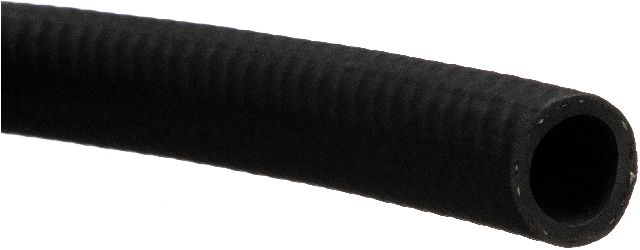
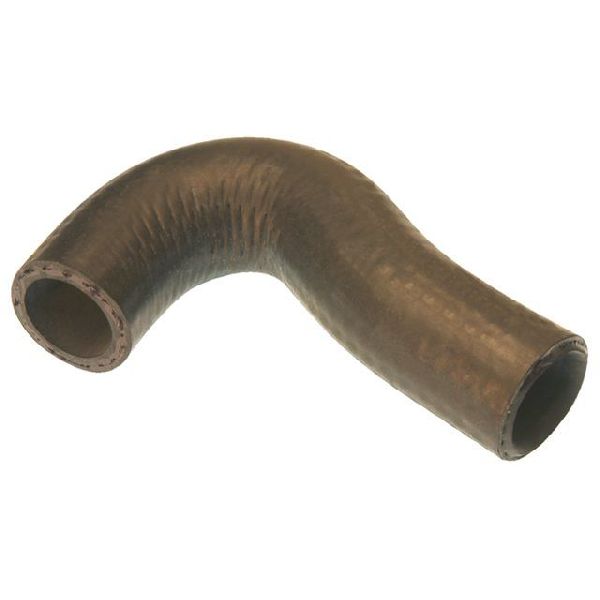
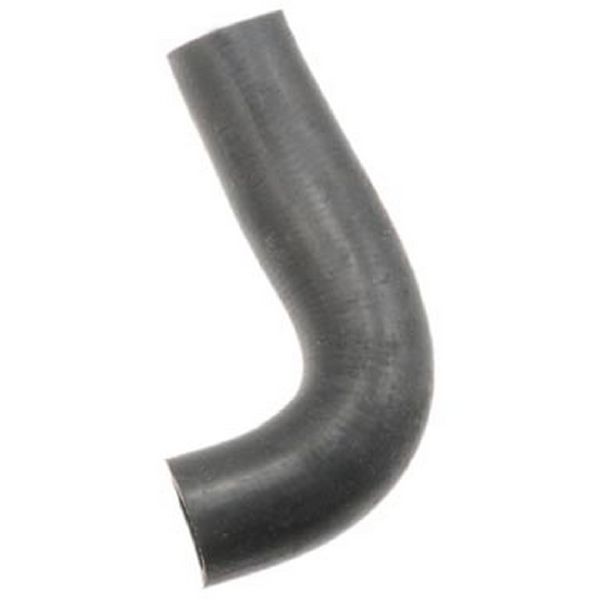
This hose typically connects the water pump to the intake manifold on small block V8 engines (318, 340, 360). It is a molded rubber hose made from EPDM to resist heat and chemicals. Inner diameter is typically 5/8 inch or 1 inch depending on the specific application.
We Have This Part in Stock

The information in this article is provided for general reference and educational purposes only. Vehicle specifications, procedures, and part compatibility can vary by production date, trim level, and region. Always consult your vehicle's factory service manual and verify part numbers before purchasing or performing repairs. Safety-critical components such as airbags, seat belts, and braking systems should be installed by a qualified professional.