

Choosing the Right Carburetor for Your 1970-1974 Dodge D200 Pickup
Keep your classic Dodge truck running strong by understanding your carburetor options.
- A new aftermarket carburetor from Holley or Edelbrock can improve reliability and performance over a worn original.
- For most D200 owners with stock engines, a 500-600 CFM carburetor with an electric choke is a great choice.
- Symptoms like rough idle, hard starting, and hesitation are strong indicators of a carburetor problem.
- Before replacing the carburetor, rule out simpler issues like a clogged fuel filter or ignition problems.
Is it Time for a New Carburetor?
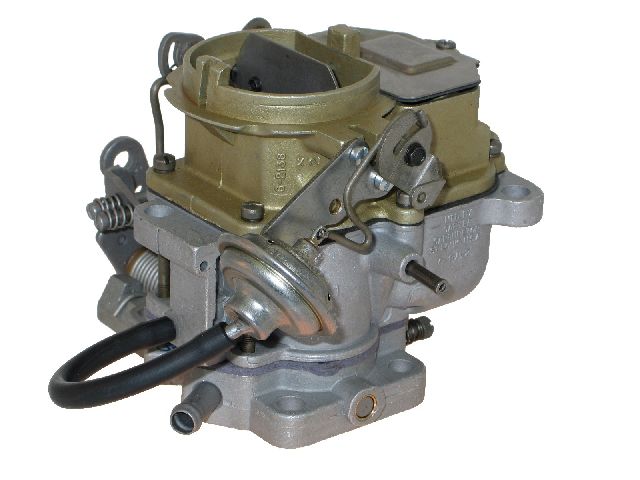
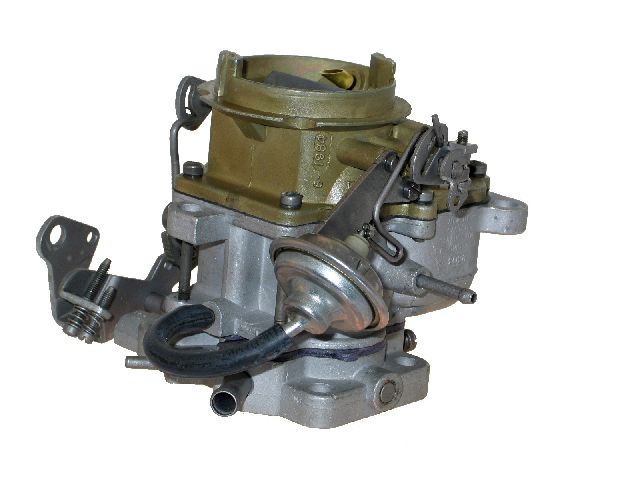
The original carburetors on the 1970-1974 Dodge D200, often a Holley or Carter 2-barrel model, can become unreliable over time. If you're experiencing poor engine performance, a new aftermarket carburetor can be a straightforward and effective upgrade. These modern replacements often offer better reliability, easier tuning, and improved performance right out of the box.
Symptoms of a Failing Carburetor
A bad carburetor can cause a variety of engine problems. Here are some of the most common signs that your D200's carb may need replacing:
- Rough Idle: The engine idles unevenly or stalls when you come to a stop.
- Hard Starting: The engine is difficult to start, especially when cold, requiring you to pump the gas pedal multiple times.
- Engine Hesitation or Stumbling: When you press the gas pedal, the engine bogs down or stumbles before accelerating.
- Black Smoke from Exhaust: This indicates a rich fuel mixture, meaning the carburetor is sending too much gasoline into the engine.
- Fuel Leaks: You may see or smell gasoline around the carburetor. One owner noted fuel dripping from the throttle plate bushing area.
Check Other Systems First
Many symptoms of a bad carburetor can also be caused by other issues. The electrical systems on 1970s Dodge trucks were a known weak point. Before replacing your carb, check your ignition system 🎬 Watch: 10 essential carburetor checks for beginners (spark plugs, wires, distributor) and look for vacuum leaks around the engine.
Choosing an Aftermarket Carburetor Brand
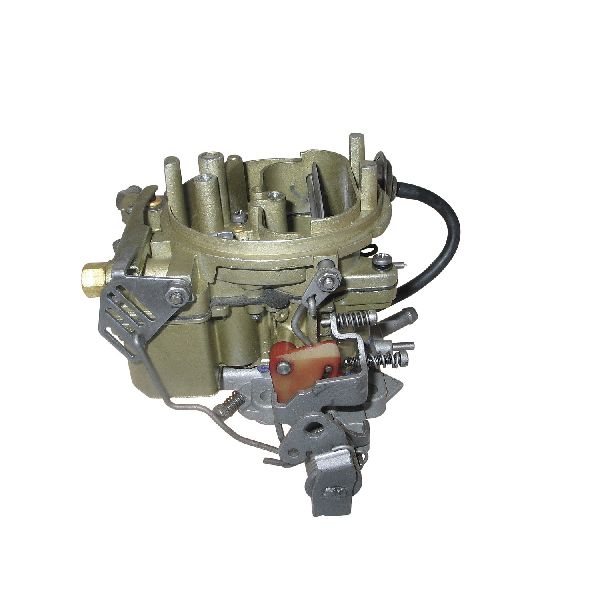
For the D200, you have excellent aftermarket options that can be a significant upgrade over a worn-out original. The main choice is between a direct 2-barrel replacement or upgrading to a 4-barrel carburetor, which also requires a new intake manifold.
Brand Tiers
- Holley: A legendary name in carburetors, Holley offers a wide range of products from direct-fit street replacements to high-performance race carbs. They are known for their tunability and performance. A simple Holley 2-barrel can be a great stock replacement, while their 4-barrel models are popular for performance upgrades.
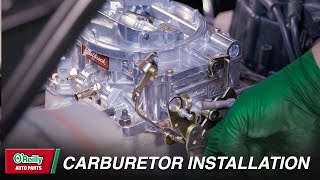
- Edelbrock: Edelbrock carburetors are very popular for their ease of use and reliable performance. Many owners find them easy to install and tune, with a reputation for working well right out of the box. Their Performer and AVS2 series are excellent choices for street-driven trucks. 🎬 See this step-by-step Edelbrock carburetor installation guide
- Uremco: Uremco specializes in remanufactured carburetors. While this guide focuses on new parts, a remanufactured unit can be a cost-effective option if you want to maintain the original type of carburetor.
Electric vs. Manual Choke
When choosing a carburetor, you'll see options for an electric or manual choke. An electric choke automatically adjusts for cold starts, making it a convenient 'set it and forget it' option. A manual choke requires you to pull a cable inside the cab but gives you direct control over the choke plate, which some drivers prefer.
Cost of a New Carburetor for a 1970-1974 Dodge D200
| Part Type | Estimated Cost |
|---|---|
| New Aftermarket Carburetor | $308.16 - $469.95 |
| Shop Labor for Installation | $100 - $250 |
Note: Costs are estimates and can vary based on your location, the specific product chosen, and the condition of your vehicle. Upgrading from a 2-barrel to a 4-barrel carburetor will involve additional costs for a new intake manifold and potentially more labor.
Frequently Asked Questions
Should I rebuild my original carburetor or buy a new one?
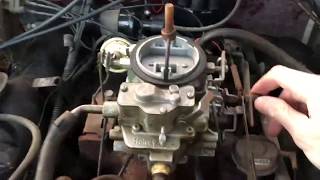
Rebuilding an original carburetor is possible with available kits, but it can be challenging. Forum users have noted that the original Holley 2210 carbs can be a "hot mess." 🎬 Watch a mechanic troubleshoot and modify a Holley 2-barrel Given the reasonable cost and modern improvements in new aftermarket carburetors from brands like Edelbrock and Holley, buying new is often a more reliable and less frustrating solution for a daily driver.
Should I upgrade to a 4-barrel carburetor?
Upgrading from the stock 2-barrel to a 4-barrel carburetor is a common performance modification. It can provide more power, especially at higher RPMs. However, this upgrade requires you to also replace the engine's intake manifold to accept the 4-barrel carb, which adds significant cost and complexity to the job. For general reliability and daily driving, a quality 2-barrel replacement is often sufficient.
What is CFM and how much do I need?
CFM stands for Cubic Feet per Minute, and it measures how much air the carburetor can flow into the engine. For a stock or mildly modified V8 engine in a D200 (like a 318 or 360), a carburetor rated between 500 and 600 CFM is typically recommended. Using a carburetor that is too large can actually hurt performance and fuel economy.
Do I need to make any other changes when I install a new carburetor?
You should always replace the fuel filter when installing a new carburetor to prevent debris from clogging it. It's also a good time to inspect fuel lines for cracks or wear. Depending on the new carburetor, you may need a different air cleaner or a throttle linkage adapter, but many aftermarket carbs are designed for easy installation.
Helpful Videos
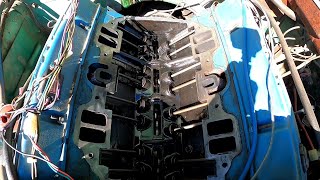
Technical Specifications
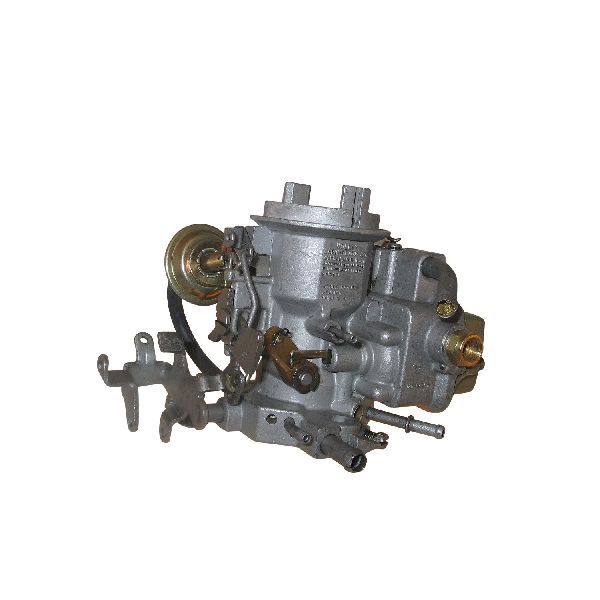
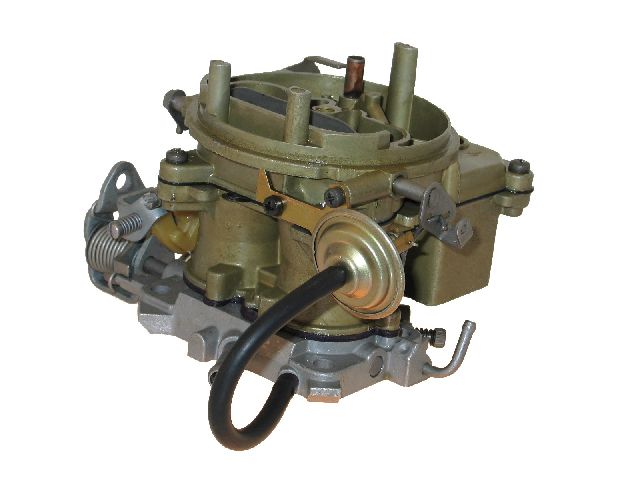
Original carburetors were typically 2-barrel models from Holley (like the 2210 series) or Carter. Aftermarket replacements are available in 2-barrel or 4-barrel configurations, with CFM ratings typically between 500 and 750.
We Have This Part in Stock


The information in this article is provided for general reference and educational purposes only. Vehicle specifications, procedures, and part compatibility can vary by production date, trim level, and region. Always consult your vehicle's factory service manual and verify part numbers before purchasing or performing repairs. Safety-critical components such as airbags, seat belts, and braking systems should be installed by a qualified professional.