

Ford Mustang Brake Light Switch Guide for 1970-1974 Models
Solve common brake light problems by understanding how to choose and replace the right switch for your classic Mustang.
- This is a critical safety repair; do not drive your Mustang if the brake lights are not working correctly.
- Confirm if your car has power or manual brakes before ordering, as they require different switches for proper operation.
- Replacement is a simple DIY job, but be prepared to work in a cramped space under the dash.
- If a new switch doesn't fix the issue, the problem is likely the turn signal switch, wiring, or a bad ground.
Symptoms of a Failing Brake Light Switch
Because this switch is used every time you drive, it's common for it to wear out. The internal contacts can burn out or the plastic housing can become brittle and fail. The most obvious signs of a bad brake light switch are:
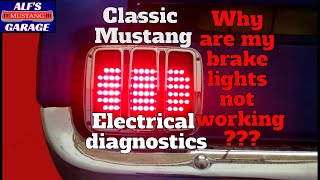
- Brake Lights Do Not Work: This is the most common and dangerous symptom. The switch fails to complete the electrical circuit when the pedal is pressed.
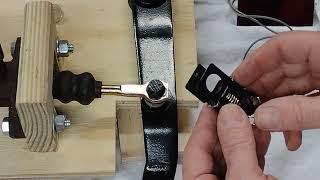
- Brake Lights Stay On: The switch can get stuck in the 'on' position, which will drain your battery and confuse other drivers. 🎬 Watch: Understanding how Ford brake light switches operate and fail.
Pro Tip: Check Other Parts First
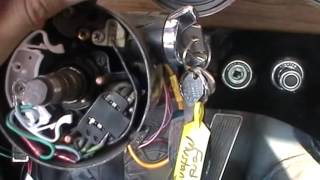
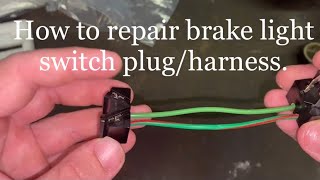
Before you replace the switch, always check the easiest things first: the fuse and the bulbs. On these classic Mustangs, brake light problems can also be caused by a faulty turn signal switch, since the brake light power runs through it. Also, inspect the wiring connector (pigtail) at the switch for corrosion or broken wires, which is a common failure point.
🎬 See how to repair a damaged brake light switch pigtail.Choosing the Right Aftermarket Switch
For a classic car like the 1970-1974 Mustang, the distinction between OEM and quality aftermarket parts is often minimal. The technology is simple, and reputable aftermarket brands produce reliable replacements.
Brand Availability:
- Standard Ignition (Standard Motor Products): This is a widely available and trusted brand for electrical components like brake light switches. They are a common and reliable choice for this repair. While any part can fail, they are a go-to for many mechanics.
- Rostra Powertrain: Rostra is a known manufacturer of automotive electronics, but they are less commonly associated with parts for this specific vintage of Mustang. You are more likely to find a direct-fit part from Standard Ignition.
The Most Common Ordering Mistake:
It is critical to order the correct switch for your car's brake system. There are different switches for manual brakes and power brakes. A switch designed for power brakes activates with less pedal travel. If you install a manual brake switch on a car with power brakes, your brake lights may not come on during light braking, which is extremely dangerous. Always verify the part is correct for your specific year and brake setup.
Critical Safety Warning
Driving with brake lights that do not work or are stuck on is a major safety hazard. It dramatically increases your risk of a rear-end collision. This repair should be performed immediately.
Cost to Replace a 1970-1974 Mustang Brake Light Switch
This is an inexpensive part and a straightforward repair. If you have a shop do the work, labor will be the biggest part of the cost.
| Item | Estimated Cost |
|---|---|
| New Aftermarket Switch | $16.58 - $26.40 |
| Shop Labor | $60 - $120 |
| DIY Repair Total | $16.58 - $26.40 |
| Professional Repair Total | $77 - $146 |
Frequently Asked Questions (FAQ)
Is it hard to replace the brake light switch myself?
No, it is considered an easy DIY job. The main difficulty is the uncomfortable position required to work under the dashboard in the driver's footwell. The process involves unplugging the switch, removing a single hairpin retaining clip, and sliding the old switch off the pedal pin.
🎬 Watch this walkthrough of a 1970 Mustang brake light fix.Does the new switch need to be adjusted?
Sometimes, yes. Some owners report that new aftermarket switches may need a slight adjustment to work correctly. This can involve carefully bending the metal contact tabs on the switch to ensure it activates and deactivates at the right point in the pedal's travel. If your lights are stuck on or don't come on with a new switch, this is a likely cause.
Why do power brakes and manual brakes use a different switch?
Power brake systems require much less pedal travel to activate the brakes compared to manual systems. Because of this, the power brake switch is designed with a lighter spring or different internal mechanism to activate the lights with very little pedal movement. Using the wrong switch can lead to delayed or non-functioning brake lights.
I replaced the switch, but my brake lights still don't work. What now?
If a new switch doesn't solve the problem, the issue lies elsewhere in the circuit. The most common culprit after the switch itself is the turn signal switch in the steering column, as the brake light wiring passes through it. A failure inside the turn signal switch can interrupt power to the brake lights. You should also re-check your bulbs, the fuse, and look for any corroded grounds or damaged wires in the rear of the car.
Helpful Videos
Technical Specifications
OEM Part Numbers: C9ZZ-13480-A C9ZZ-13480-B C9VY-13480-A
Mechanical switch mounted on brake pedal support bracket. Attaches via the main pedal pivot pin and is secured with a hairpin clip. Features a 2-prong electrical connector.
We Have This Part in Stock


The information in this article is provided for general reference and educational purposes only. Vehicle specifications, procedures, and part compatibility can vary by production date, trim level, and region. Always consult your vehicle's factory service manual and verify part numbers before purchasing or performing repairs. Safety-critical components such as airbags, seat belts, and braking systems should be installed by a qualified professional.