

1970-1975 Dodge Challenger Brake Light Switch: A Complete Guide
Keep your classic Challenger safe and legal by troubleshooting and replacing your faulty brake light switch.
- A faulty brake light switch is a critical safety issue that should be fixed immediately.
- Symptoms include brake lights not working, staying on, or working intermittently.
- The switch is an easy, inexpensive DIY replacement located on the brake pedal support under the dash.
- Always check and adjust the new switch to ensure the lights activate instantly with pedal movement.
Is Your Brake Light Switch Failing?
A bad brake light switch is more than an annoyance; it's a major safety hazard. The symptoms are usually straightforward, but can sometimes be confused with other wiring problems. Because the part is inexpensive, it's often a good first step in diagnosing brake light issues.
Common Symptoms of a Bad Switch:
- Brake Lights Don't Work: The most common sign is that your brake lights do not light up at all when you press the pedal.
- Brake Lights Stay On: The switch can fail in the 'on' position, leaving your brake lights permanently lit and draining your battery.
- Intermittent Lights: The lights may flicker or only work when you press the brake pedal very hard. This can indicate a worn-out switch or one that is out of adjustment.
Choosing the Right Aftermarket Switch
For a classic car like the 1970-1975 Challenger, you won't find original parts at the dealership. You'll be choosing between New Old Stock (NOS) Mopar parts, which are rare and expensive, or new aftermarket parts. For a simple switch, a quality aftermarket part is a reliable and cost-effective choice.
Aftermarket brands for this part generally fall into two tiers:
- Premium Aftermarket (e.g., Standard Ignition): Brands like Standard Motor Products (SMP) have a long-standing reputation for producing quality components that meet or exceed original specifications. They often use better materials and perform extensive testing to ensure reliability right out of the box. For a critical safety part, spending a few extra dollars for a trusted brand is a wise investment.
- Economy (e.g., Skyward): Economy brands offer the lowest price. While tempting, the quality can be inconsistent. There are forum reports from classic car owners who have received new, inexpensive switches that were faulty from the start. These parts may be a viable option for a tight budget, but be prepared to test the part before and after installation.
Brake Light Switch Cost for 1970-1975 Dodge Challenger
| Part Type | Estimated Cost |
|---|---|
| New Aftermarket (Economy) | $5.40 - $15.00 |
| New Aftermarket (Premium) | $15.00 - $29.97 |
| New OEM (NOS Mopar) | $50.00+ (if found) |
| Shop Labor | $75 - $150 |
Frequently Asked Questions
Where is the brake light switch located?
The brake light switch is located under the driver's side dashboard. It is mounted to the brake pedal support bracket, high up on the pedal arm. You will need to lie on your back and look up toward the top of the brake pedal to see it.
Can I replace the brake light switch myself?
Yes, this is a very DIY-friendly job. The main challenge is the uncomfortable position required to access the switch under the dash. The only tools needed are typically a wrench or socket to loosen the mounting bolt and your hands to unplug the electrical connector.
Does the new switch need to be adjusted?
Yes, proper adjustment is critical. The switch is mounted on a slotted bracket that allows you to move it closer to or further from the pedal arm. It should be positioned so that the brake lights turn on immediately with the slightest pedal movement, but remain off when the pedal is not being touched.
Are there any recalls for the brake light switch on my Challenger?
No, searches of the National Highway Traffic Safety Administration (NHTSA) database show no safety recalls for the brake light switch on the 1970-1975 Dodge Challenger.
Technical Specifications
OEM Part Numbers: 2947712
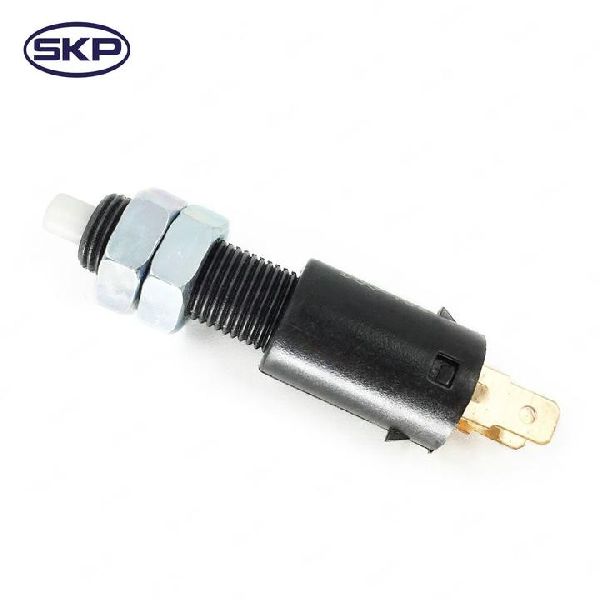
Mechanical plunger-type switch, 2-terminal connector, adjustable mounting bracket.
We Have This Part in Stock


The information in this article is provided for general reference and educational purposes only. Vehicle specifications, procedures, and part compatibility can vary by production date, trim level, and region. Always consult your vehicle's factory service manual and verify part numbers before purchasing or performing repairs. Safety-critical components such as airbags, seat belts, and braking systems should be installed by a qualified professional.