

Dodge Challenger Front Disc Brake Pad Set Guide (1970-1975)
Get the right stopping power for your classic Challenger by choosing the perfect aftermarket brake pads.
- First, confirm your Challenger has front disc brakes, as they were optional for this model year.
- Choose a pad material based on your driving style: semi-metallic for daily driving, ceramic for low dust, or a high-friction compound for performance.
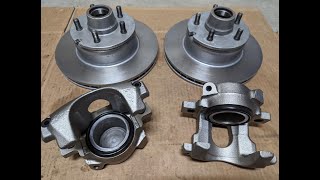
- When changing pads, inspect the single-piston caliper to ensure it slides freely. Uneven pad wear is a sign of a stuck caliper that needs servicing or replacement.
- Always install new pads on freshly resurfaced or new brake rotors for the best performance and longevity.
Is Your Challenger Ready for New Brake Pads?
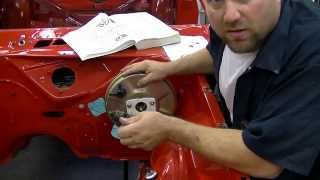
For the 1970-1975 Dodge Challenger, front disc brakes were an optional upgrade over the standard drum brakes. If your car has them, you have a system that was advanced for its time. 🎬 Watch this step-by-step guide for installing Mopar disc brakes. However, the original 1970s brake pad technology is obsolete. Today's aftermarket pads offer huge improvements in safety, performance, and longevity. Whether you're doing a factory-correct restoration or building a street machine, the right set of new pads is a critical safety upgrade.
Symptoms of Worn-Out Brake Pads
Your Challenger will give you clear signs when the brake pads are nearing the end of their life. Ignoring them can lead to more expensive repairs, like needing to replace the brake rotors.
- Squealing or Screeching: A high-pitched noise when you apply the brakes is often the first warning. This is caused by a small metal indicator tab on the brake pad making contact with the rotor.
- Grinding Noise: A loud, harsh grinding or growling sound means the friction material is completely gone. This is metal-on-metal contact between the pad's backing plate and the rotor, which is a critical safety issue. Stop driving immediately.
- Pulling to One Side: If the car pulls left or right when braking, it can indicate a problem with a stuck caliper or unevenly worn pads.
- Spongy or Soft Brake Pedal: A pedal that feels soft or goes closer to the floor than usual can point to issues in the hydraulic system, but it also warrants a full brake inspection.
- Visible Wear: On these older systems, you can sometimes see the brake pad thickness through the wheel. If the friction material looks very thin (less than 1/4 inch), it's time for a replacement.
A Note on Uneven Wear
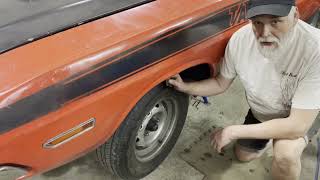
When you remove your old pads, check to see if one is significantly more worn than the other. On these single-piston calipers, this is a classic sign that the caliper is not sliding properly and may be sticking. 🎬 See how to restore a stuck vintage Mopar brake caliper. Replacing a seized caliper along with your pads and rotors is essential for safe, effective braking.
Choosing the Right Aftermarket Brake Pads
Original Mopar brake pads for this era are no longer produced. Fortunately, aftermarket brands offer superior materials and a range of options to fit your driving style. The main choice you'll make is the friction material.
Good: Daily Driver (Semi-Metallic)
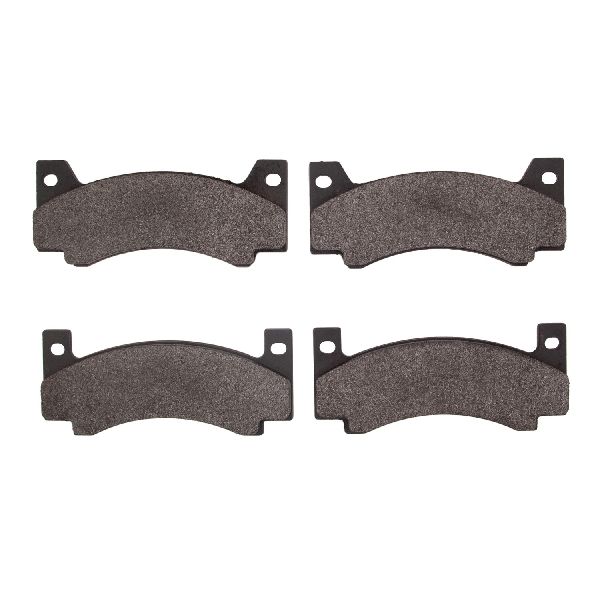
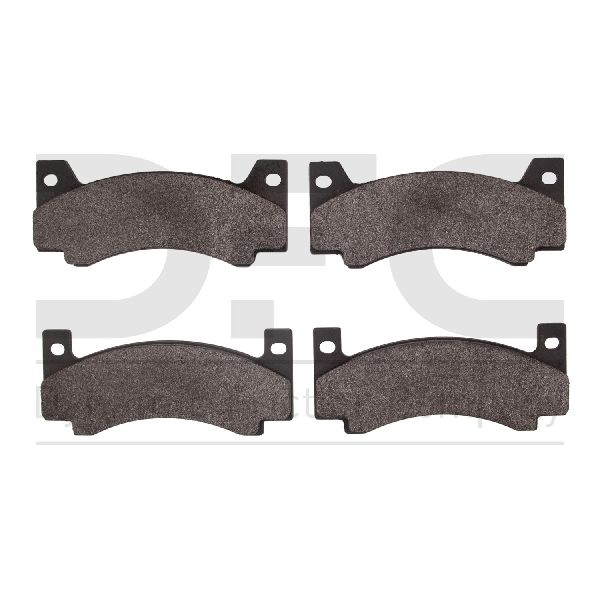
For a car that's used for regular cruising and weekend drives, a quality semi-metallic pad is an excellent choice. Brands like Dynamic Friction offer their 5000 series pads which are designed as an OEM-style replacement. These pads provide reliable stopping power and are a significant step up from 1970s technology. They offer good performance when cold and are very durable.
Better: Spirited Street Use (Ceramic)
If you enjoy more spirited driving and want to keep your wheels clean, a ceramic pad like the EBC Brakes Redstuff is a great upgrade. Ceramic pads are known for producing significantly less brake dust than semi-metallic pads and are very quiet. They offer strong, consistent performance for fast street use with less noise.
Best: High Performance (Aggressive Street/Track)
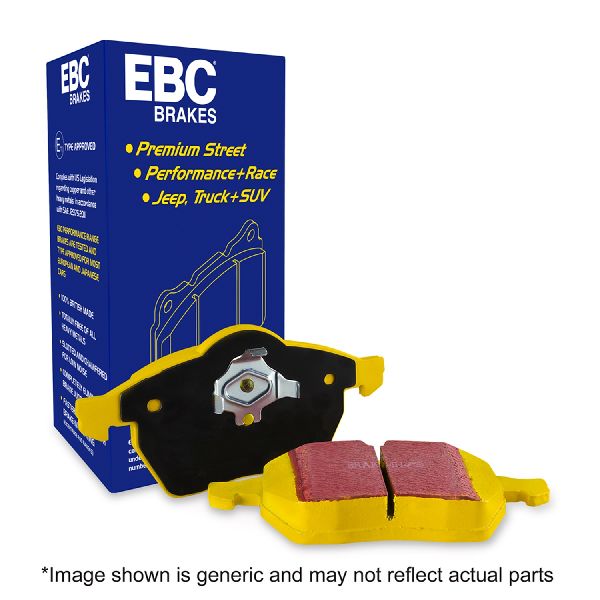
For owners who demand the most stopping power for performance driving or occasional track use, a high-friction pad is the top choice. The EBC Brakes Yellowstuff pads are engineered for this purpose. They provide an extremely strong bite, even when cold, and their performance increases with heat. The trade-off is that they create more dust and can sometimes be noisier than a street-focused pad.
Pro Tip: Bed-In Your New Pads
After installing new brake pads, it's crucial to "bed them in." This process involves a series of controlled stops to transfer an even layer of friction material onto the brake rotor. Proper bedding ensures smooth, quiet, and powerful braking for the life of the pads. Follow the manufacturer's specific bed-in procedure included with your new set.
| Item | Price Range |
|---|---|
| Aftermarket Disc Brake Pad Set | $46.62 - $223.27 |
| Shop Labor for Installation | $120 - $200 |
Frequently Asked Questions
Are there any recalls for 1970-1975 Challenger brake pads?
No. There are no active or recent NHTSA recalls for the disc brake pads on these vehicles. Any original recalls from the 1970s would have long since expired. Always check for recalls on the NHTSA website if you have concerns.
Why are my new brake pads wearing out unevenly?
Uneven pad wear on a single wheel is almost always caused by a stuck or seizing brake caliper. The single-piston floating calipers on the Challenger must be able to slide freely to apply equal pressure to both pads. If the caliper slide pins are rusted or stuck, one pad will wear out much faster than the other. The caliper should be serviced or replaced.
What's the main difference between semi-metallic and ceramic pads?
Semi-metallic pads use metal fibers in their friction material, offering great durability and heat dissipation, making them a solid all-around choice. Ceramic pads use ceramic compounds and non-ferrous fibers, which makes them much quieter and creates significantly less brake dust, keeping your wheels cleaner. Performance versions of both are available.
If I upgrade my pads, should I upgrade my rotors too?
It's always recommended to replace or resurface your rotors when you install new pads. This gives the new pads a perfectly flat, clean surface to bed into. If you are upgrading to a high-performance pad like EBC Yellowstuff for track use, pairing them with a high-quality performance rotor is a good idea to handle the increased heat and friction.
Helpful Videos
Technical Specifications
Fits 1970-1975 Dodge Challenger models equipped with factory single-piston front disc brakes.
We Have This Part in Stock

The information in this article is provided for general reference and educational purposes only. Vehicle specifications, procedures, and part compatibility can vary by production date, trim level, and region. Always consult your vehicle's factory service manual and verify part numbers before purchasing or performing repairs. Safety-critical components such as airbags, seat belts, and braking systems should be installed by a qualified professional.
- 🎬 Helpful Videos
- 🛍️ Shop This Part
- Is Your Challenger Ready for New Brake Pads?
- Symptoms of Worn-Out Brake Pads
- A Note on Uneven Wear
- Choosing the Right Aftermarket Brake Pads
- Good: Daily Driver (Semi-Metallic)
- Better: Spirited Street Use (Ceramic)
- Best: High Performance (Aggressive Street/Track)
- Pro Tip: Bed-In Your New Pads
- Frequently Asked Questions
- 🎟️ Get 5% Off