

Dodge Challenger Horn Replacement Guide: 1970-1975
Solving common horn problems on your classic 1970-1975 Dodge Challenger.
- Always test the entire horn system—especially the relay and grounds—before buying new horns.
- A clicking sound when you press the horn button usually means the relay is working and the horns or their wiring are the problem.
- The horns are located behind the grille, mounted to the radiator support.
- Aftermarket horns from a brand like Standard Ignition are a cost-effective and reliable way to restore horn function, though the sound may differ from the original.
Is Your Challenger's Horn Silent?
A non-working horn is a common issue on classic cars like the 1970-1975 Dodge Challenger. Due to the car's age, several components in the horn circuit can fail. The problem might not be the horn itself, but another part of the electrical system. Before you replace the horns, it's wise to check the entire circuit.
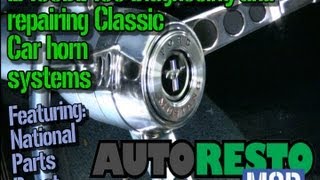
🎬 Watch: A guide to diagnosing classic car horn systems.Common Failure Symptoms
Diagnosing the problem correctly can save you time and money. Here’s what to look for:
- No Sound at All: This could be a failed horn, a bad relay, a blown fuse, or a problem in the steering column wiring.
- Just a Clicking Sound: If you hear a click from under the dashboard when you press the horn button, the relay is likely working. This points to a problem with the horns themselves, the wiring to the horns, or a bad ground.
- Weak or "Sick" Sound: This often means one of the two horns (high or low note) has failed, or there is high resistance in the circuit from corrosion.
- Horn Works Intermittently: This is almost always caused by a poor electrical connection or a bad ground. The steering wheel contact or bulkhead connector are common culprits.
Known Issues for 1970-1975 Challengers
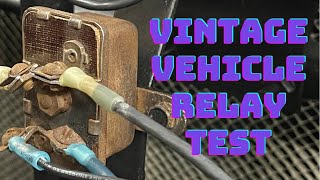
The horn system on these Mopars is notorious for a few specific problems. The horn relay, which on 1970 models is located under the dash near the fuse block, is a frequent point of failure. 🎬 See how to test your classic car's horn relay. Additionally, the contacts within the steering wheel and column can become corroded or worn, preventing the horn button from making a good connection. Always check these components and all ground connections before assuming the horns are bad.
Choosing the Right Aftermarket Horn
For a 50-year-old vehicle, finding "New Old Stock" (NOS) OEM horns can be difficult and expensive. Aftermarket horns are the most practical and affordable solution for most owners.
Standard Ignition is a common brand for service replacement parts. They offer direct-fit horns that are easy to install. While they are a reliable choice to make your horn functional again, be aware of the sound. Some universal-style replacement horns may have a "tinny" sound compared to the original dual-tone setup. However, other model-specific replacements from the brand are reviewed as being loud and a good value. For a daily driver or a functional restoration, they are a solid choice.
Pro Tip: Test Before You Buy
You can easily test your existing horns. Disconnect the wires and run a jumper wire directly from your car's battery to the horn's terminal. If the horn makes a sound, the problem lies elsewhere in the circuit. If it's silent or sounds weak, the horn itself has failed.
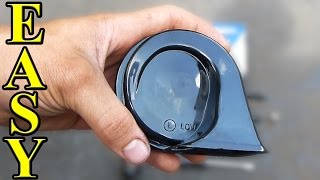
🎬 Watch this walkthrough on how to fix a car horn.Typical Horn Replacement Costs
The cost to get your horn working again depends on what parts have failed. If it's just the horns, the cost is low. If you need to diagnose and fix wiring or the relay, costs can increase, especially if you use a professional mechanic.
| Part Type | Estimated Cost |
|---|---|
| New Aftermarket Horns (Standard Ignition) | $39.10 - $77.37 |
| Used OEM Horns | $50 - $150+ (Varies by condition) |
| Shop Labor for Diagnosis & Replacement | $100 - $200 |
Frequently Asked Questions
Where are the horns located on a 1970-1975 Challenger?
The two horns are typically mounted in the front of the car, behind the grille. You will find them attached to the radiator core support, on either side of the hood latch mechanism.
Why do I only hear a click when I press the horn button?
A clicking sound usually means the horn relay is working, but power isn't reaching the horns. This is often due to failed horns, corroded wiring between the relay and the horns, or a bad ground connection at the horn mounting location.
Do I need to replace both the high and low note horns?
It is highly recommended. The horns are the same age, and if one has failed, the other is likely not far behind. Replacing them as a pair ensures a proper, loud sound and saves you from having to do the job twice.
What else should I check before replacing my horns?
First, check the fuse. Then, inspect the horn relay for function and corrosion. Finally, check for bad grounds, which are a very common problem. The horns ground through their mounting brackets, so ensure the mounting point is clean and free of rust and paint.
Helpful Videos
Technical Specifications
System Type: 12V, dual horn (high and low note). Relay activated. Ground-switched via steering column.
We Have This Part in Stock


The information in this article is provided for general reference and educational purposes only. Vehicle specifications, procedures, and part compatibility can vary by production date, trim level, and region. Always consult your vehicle's factory service manual and verify part numbers before purchasing or performing repairs. Safety-critical components such as airbags, seat belts, and braking systems should be installed by a qualified professional.