

Dodge Challenger Mechanical Fuel Pump Guide: 1970-1975
Everything you need to know before replacing the mechanical fuel pump on your classic Challenger.
- A failing pump can leak fuel externally (fire hazard) or internally into the oil (engine damage).
- Carter, Holley, and Edelbrock are highly-regarded brands for this application, offering good performance and reliability.
- The replacement is a straightforward DIY job for most owners, requiring only basic hand tools.
- When replacing the pump, always install a new fuel filter to protect your new part.
Signs of a Failing Mechanical Fuel Pump
A failing fuel pump can cause a range of problems, from annoying to dangerous. The most common cause of failure in these pumps is a ruptured internal diaphragm, often due to age or modern ethanol-blended fuels that can degrade the rubber.
- Engine Sputtering or Hesitation: The car may hesitate or lose power when you accelerate, especially when climbing hills or under heavy load. This happens when the weak pump can't supply the extra fuel the engine needs.
- Hard Starting or No Start: If the pump has failed completely, it won't deliver any fuel to the carburetor, and the engine will crank but not start. It can also lead to long cranking times after the car has been sitting, as the pump struggles to prime the system.
- Rough Idle: An inconsistent fuel supply from a failing pump can cause the engine to shake or vibrate while idling.
- Engine Stalling: The engine may stall, sometimes when it gets hot, and may restart after it has had time to cool down.
Critical Failure Signs: Inspect Immediately
A ruptured diaphragm can lead to two very dangerous situations:
- External Fuel Leak: If you see or smell gasoline dripping from the pump body, stop driving immediately. A fuel leak onto a hot engine or exhaust creates a serious fire hazard.
- Fuel in the Engine Oil: The diaphragm can also leak fuel internally, directly into the engine's crankcase. If you check your oil and it smells strongly of gasoline or the oil level is rising, the pump has failed. Driving with gas-thinned oil will cause catastrophic engine damage.
Choosing the Right Aftermarket Fuel Pump
For a 1970-1975 Challenger, aftermarket pumps are the most common and practical choice. Original Mopar parts from the 70s are now rare "New Old Stock" (NOS) and can be very expensive. Today's aftermarket offers several tiers of quality and performance.
Tier 1: Performance & Heritage Brands
These brands have a long history with American muscle cars and are often the top choice for enthusiasts who prioritize quality and performance.
- Carter: Often considered the gold standard for Mopar mechanical pumps, as they were a major original equipment supplier. Forum members frequently recommend Carter for its reliability and correct fit. However, be aware that like many companies, production has moved overseas, and some users feel the quality is not the same as vintage USA-made parts.
- Holley & Edelbrock: Both are iconic performance brands that offer high-quality mechanical fuel pumps. They are excellent choices for stock and modified engines. Some high-flow models may require a separate fuel pressure regulator to avoid overwhelming the carburetor's needle and seat.
Tier 2: Standard Replacement Brands
These brands offer a balance of quality and cost, making them a good choice for daily drivers or budget-conscious restorations.
- Delphi: A massive OEM supplier with a reputation for quality parts. While more associated with GM vehicles, they are a reliable choice if available for your Challenger. Some research suggests that in certain markets, Delphi pumps may be manufactured by Carter.
- Spectra Premium: A popular budget-friendly option. Owner experiences are mixed; some report years of good service, while others have experienced early failures. They can be a viable choice, but quality control may not be as consistent as the premium brands.
Tier 3: Economy Brands
These are typically the lowest-priced options available.
- GMB & US Motor Works: These brands compete on price. While they can get your car back on the road, be aware of potential quality issues. Negative reviews for US Motor Works on other vehicles mention leaks and premature failures. If choosing an economy pump, inspect it carefully before installation and monitor its performance closely.
Known Issues, Recalls, and TSBs
There are no major recalls or Technical Service Bulletins (TSBs) from Dodge for the original mechanical fuel pumps on these vehicles. However, an NHTSA recall from 2007 (07E-064) was issued for certain aftermarket pumps made between 2006 and 2007, including some sold under the Carter brand name, due to faulty diaphragms that could leak. This highlights that even reputable brands can have production issues, and inspection before and after installation is key.
Cost to Replace a 1970-1975 Challenger Mechanical Fuel Pump
| Part Type | Estimated Part Cost |
|---|---|
| New Aftermarket | $32 - $58 |
| Shop Labor | $120 - $240 |
Cost estimates are for parts and labor and can vary based on your location and the specific rates of your auto shop.
Frequently Asked Questions (FAQ)
Do I need a fuel pressure regulator with my new pump?
For a stock or mildly modified engine, a standard replacement pump (like a Carter) is designed to operate at the correct pressure (typically 6-7.5 PSI) and does not require a regulator. However, if you choose a high-volume "race" or "strip" pump from Holley or Edelbrock, it may produce too much pressure and require a regulator to dial it back, preventing fuel from forcing its way past the carburetor's needle valve and causing flooding.
Will modern ethanol gas harm my new fuel pump?
It's a valid concern. Modern fuels with ethanol can be harsh on the rubber components of older fuel systems. Reputable modern pump manufacturers like Carter state their diaphragms are designed to be compatible with multiple fuel blends. However, for a classic car that sits frequently, using ethanol-free gasoline when possible can help extend the life of the entire fuel system.
Why is my car so hard to start after sitting for a week?
This is a common issue with carbureted cars. The gasoline in the carburetor bowl evaporates over time. When you go to start the car, the mechanical fuel pump has to crank with the engine to pull fuel all the way from the tank to refill the bowl before the engine can fire. This is generally normal, though a failing pump can make the problem worse.
Is the replacement something I can do myself?
Yes, for someone with basic mechanical skills, this is a very manageable DIY job. It typically involves disconnecting the battery, carefully removing the inlet and outlet fuel lines, and unbolting the two bolts holding the pump to the engine block. Access can be a little tight, but it does not require specialized tools.
Technical Specifications
Drive Type: Mechanical. Pressure Range: Typically 6-7.5 PSI for stock applications. Inlet/Outlet: Varies by engine (e.g., 5/16" or 3/8"), confirm for your specific engine.
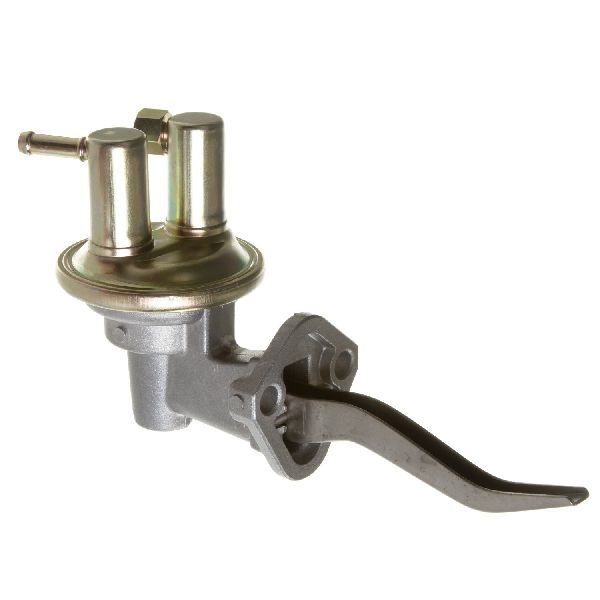
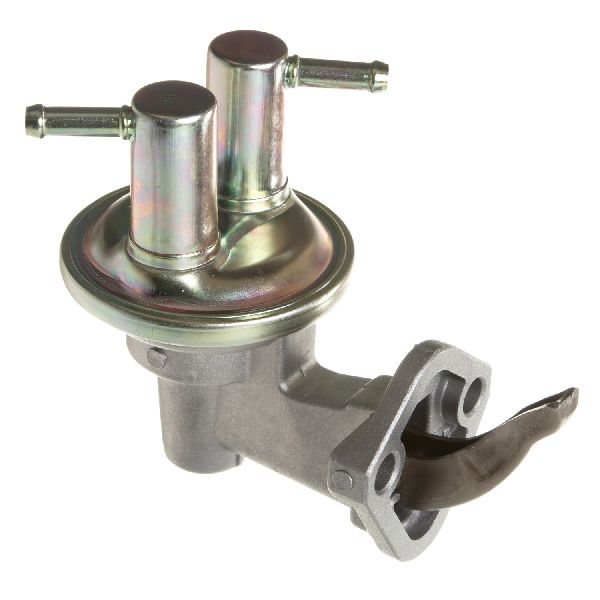
We Have This Part in Stock
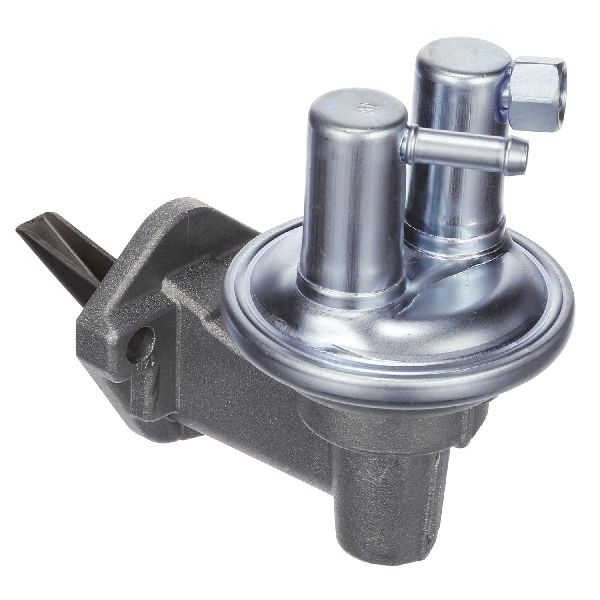
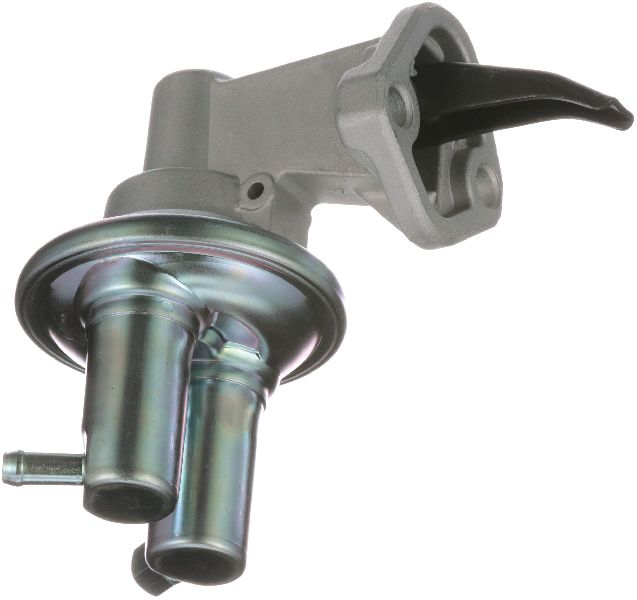
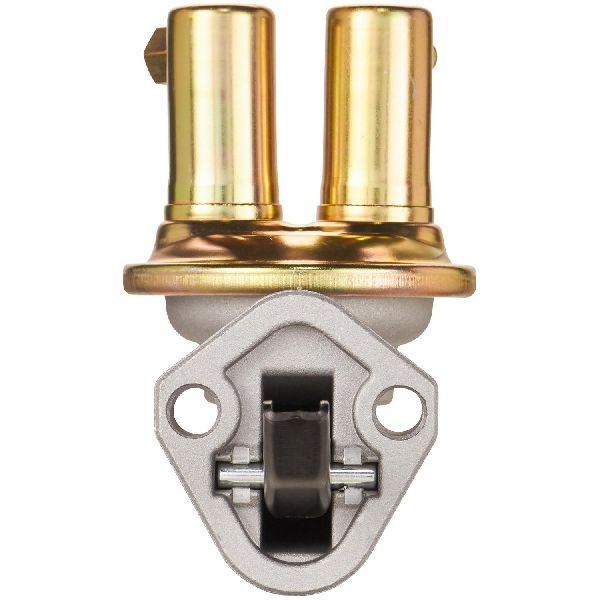
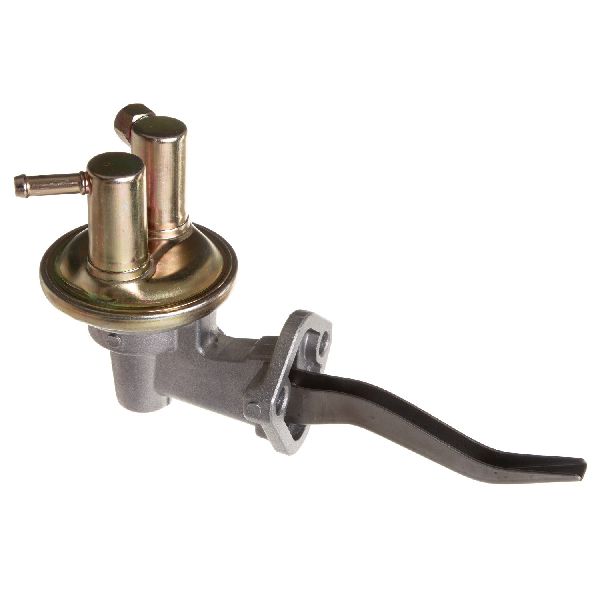

The information in this article is provided for general reference and educational purposes only. Vehicle specifications, procedures, and part compatibility can vary by production date, trim level, and region. Always consult your vehicle's factory service manual and verify part numbers before purchasing or performing repairs. Safety-critical components such as airbags, seat belts, and braking systems should be installed by a qualified professional.
- 🛍️ Shop This Part
- Signs of a Failing Mechanical Fuel Pump
- Critical Failure Signs: Inspect Immediately
- Choosing the Right Aftermarket Fuel Pump
- Tier 1: Performance & Heritage Brands
- Tier 2: Standard Replacement Brands
- Tier 3: Economy Brands
- Known Issues, Recalls, and TSBs
- Cost to Replace a 1970-1975 Challenger Mechanical Fuel Pump
- Frequently Asked Questions (FAQ)
- 🎟️ Get 5% Off