

A Deep Dive into the 1970-1975 Dodge Challenger Power Steering Pump
Keep your classic Challenger's steering responsive and smooth by understanding its power steering pump.
- You MUST identify if your Challenger has a Saginaw or a Federal/Thompson pump before ordering a replacement.
- You will likely need to reuse your original pulley, so a pulley puller/installer tool is essential for the job.
- Quality of remanufactured pumps from brands like Cardone can be inconsistent; be prepared for the possibility of a defective part.
- Properly bleeding all air from the system after installation is critical to prevent noise and ensure correct operation.
Symptoms of a Failing Power Steering Pump
When your Challenger's power steering pump starts to fail, it will give you several warning signs. Ignoring them can lead to a complete loss of power assist, making the car difficult to steer.
- Whining or Groaning Noises: The most common symptom is a distinct whining or groaning sound that gets louder when you turn the steering wheel. This is often caused by low fluid or air trapped in the system, but can also indicate worn internal parts.
- Stiff Steering: If turning the wheel suddenly requires a lot of muscle, especially at idle or during parking, the pump is likely not generating enough pressure. This can be caused by an internal leak or a stuck flow-control valve.
- Fluid Leaks: Finding reddish or dark brown fluid spots under the front of your car is a sure sign of a leak. The pump can leak from the main shaft seal behind the pulley, the reservoir housing, or the hose connections.
- Slow Steering Response: If there's a delay between when you turn the wheel and when the car responds, it could be a sign that the pump is weak and failing to provide immediate pressure.
Choosing the Right Aftermarket Pump: Key Differences
For a 1970-1975 Challenger, new original equipment (OEM) pumps from Mopar are no longer available. Your options are new aftermarket or remanufactured pumps. The most important step is to correctly identify what pump your car currently has.
Critical: Identify Your Pump Type Before Ordering
Chrysler used two different styles of pumps during this era, and they are not interchangeable without changing brackets and hoses. Look at your current pump to identify it:
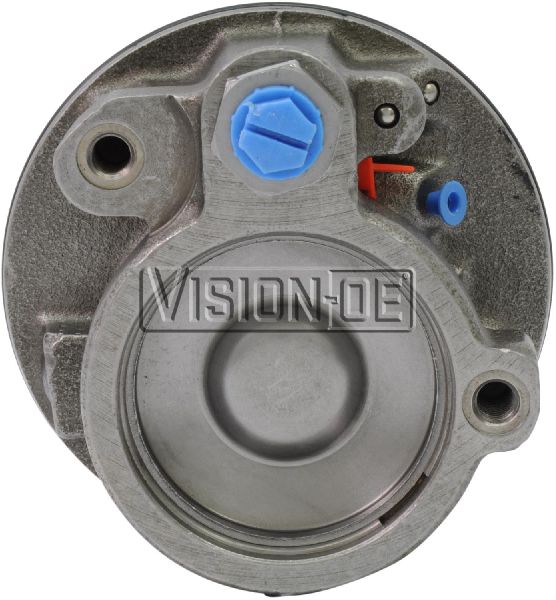
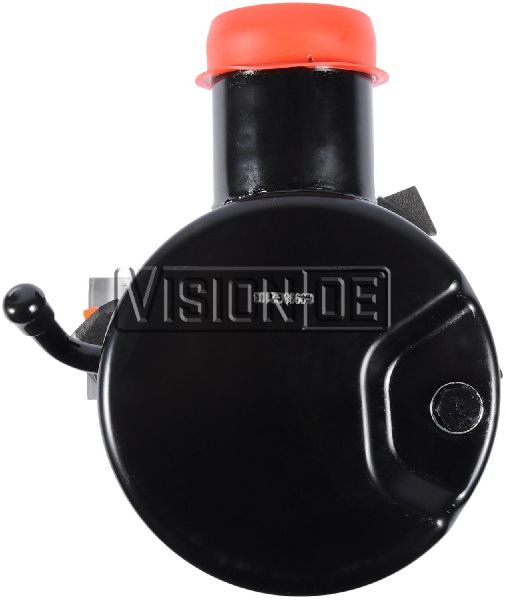
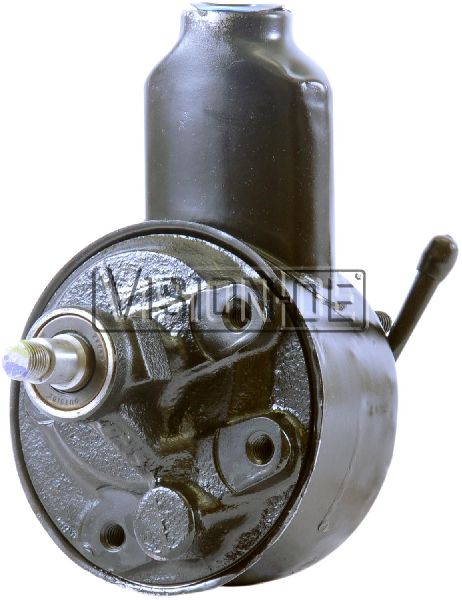
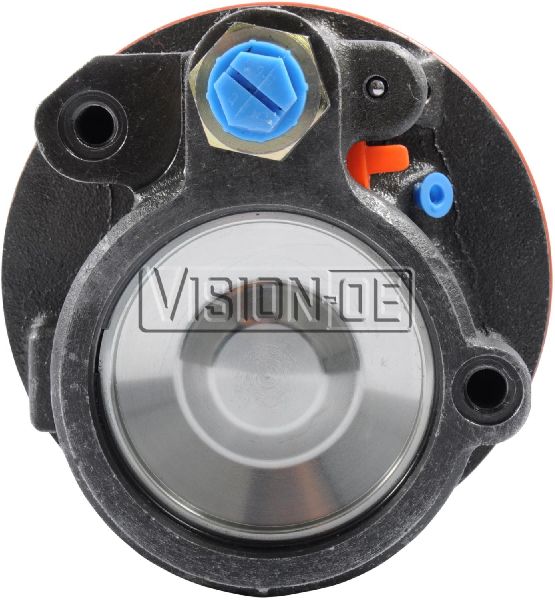
- Saginaw Pump: Often called a "canned ham" pump, it has a distinct rounded, oblong shape and is made of steel. The pulley is typically pressed onto the shaft.
- Federal-Thompson Pump: Sometimes called a "pencil-neck" pump, it has a cast iron body with a steel reservoir and a filler neck that sticks up. The pulley is often held on with a key and a nut.
Aftermarket Brand Quality: Cardone vs. BBB Industries
Both Cardone and BBB Industries are major suppliers of remanufactured parts. For classic vehicles, these parts are rebuilt from original cores. However, quality can be inconsistent.
- Cardone: Forum discussions show mixed results. Some owners report success with Cardone pumps, but a significant number have experienced issues with units being defective out of the box, primarily with leaks developing quickly. It's not uncommon for owners to go through two or three pumps to get a good one. Fitment issues, like needing to swap over the original reservoir, have also been reported.
- BBB Industries: Fewer direct reviews exist for this specific application, but general feedback is similar to Cardone. Some users have had good experiences, while others have faced early failures. The company states they follow an OE-quality remanufacturing process.
Pro Tip: Many classic Mopar enthusiasts recommend having your original, factory pump rebuilt by a specialized shop if possible. The quality of the original metal castings is often superior to the cores used for mass-market remanufactured parts. If you do buy a remanufactured pump, be sure to keep your original core until you are certain the new part works correctly.
| Part/Service | Estimated Cost |
|---|---|
| New Aftermarket/Remanufactured Pump | $84 - $351 |
| Shop Labor for Installation | $200 - $450 |
| Power Steering Fluid | $15 - $30 |
| Total Estimated Cost | $299 - $831 |
Frequently Asked Questions (FAQ)
Do I need any special tools for the replacement?
Yes, the most important special tool is a power steering pump pulley puller and installer. The pulley is a very tight press-fit on Saginaw pumps, and you cannot remove it by prying. You will also need a good set of wrenches (including flare nut wrenches for the hose fittings to prevent stripping), a drain pan, and basic hand tools.
Can I reuse my old pulley and reservoir?
Yes, in most cases you must reuse your original pulley. Aftermarket pumps rarely come with a new one. Some remanufactured pumps may come with a different style reservoir than your original, requiring you to carefully swap your old one onto the new pump.
What kind of power steering fluid should I use?
For this era of vehicle, a standard, high-quality power steering fluid is appropriate. Some owners prefer to use ATF+4, which was a common Chrysler specification in later years, but always check the fluid manufacturer's recommendations for compatibility with older systems.
Why is my new pump whining after installation?
A whining noise after installation is almost always caused by air trapped in the system. You must bleed the system properly by raising the front wheels off the ground and turning the steering wheel from full lock to full lock several times with the engine off, checking and topping off the fluid. Then, repeat the process with the engine running until the noise disappears.
Are there any recalls for the 1970-1975 Challenger power steering pump?
No. A search of the National Highway Traffic Safety Administration (NHTSA) database shows no safety recalls for the power steering system on the 1970-1975 Dodge Challenger.
Technical Specifications
Pump Type: Saginaw (steel "can" style) or Federal/Thompson (cast iron w/ steel reservoir). Pulley Attachment: Press-fit (common on Saginaw) or Keyway with nut (common on Federal). Drive System: V-Belt.
We Have This Part in Stock

The information in this article is provided for general reference and educational purposes only. Vehicle specifications, procedures, and part compatibility can vary by production date, trim level, and region. Always consult your vehicle's factory service manual and verify part numbers before purchasing or performing repairs. Safety-critical components such as airbags, seat belts, and braking systems should be installed by a qualified professional.